Essential Maintenance Tips for Transformer Longevity
When you’re responsible for maintaining transformers, it is crucial to follow a structured routine to guarantee they operate efficiently and last longer. Daily tasks like checking oil levels and examining the silica gel color can prevent minor issues from escalating. Monthly inspections help you catch problems early, while yearly examinations of cooling systems and OLTC oil conditions guarantee everything runs smoothly. Oil analysis and thermal inspections are indispensable for identifying hidden issues. You might wonder how these practices can be seamlessly integrated into your maintenance schedule and what specific steps are involved.
Key Takeaways
- Regularly check oil levels and condition in both main and conservator tanks.
- Conduct visual and thermal inspections to detect early signs of issues like overheating and moisture ingress.
- Perform oil analysis to monitor moisture content and dissolved gases, identifying potential insulation breakdowns.
- Inspect and maintain key components such as cooling systems, Buchholz relays, and marshaling boxes annually.
- Monitor silica gel color in the pause and check for oil leakage to ensure optimal performance.
Daily Maintenance Tasks
Daily maintenance tasks are important for transformers to guarantee their efficient operation and longevity. By performing these tasks, you can ensure that your transformer remains in top condition and avoids costly breakdowns.
Start by checking the Magnetic Oil Gauge (MOG) readings. This helps you monitor the oil level, essential for the transformer’s performance. If the oil level is low, fill it to the recommended mark.
Next, examine the silica gel color in the pause. A pinkish hue indicates high moisture levels, which can harm your transformer. Replace the silica gel to maintain a dry environment. Also, inspect for any oil leakage. Addressing leaks promptly prevents potential issues and ensures efficient operation.
These daily maintenance tasks also include monitoring the transformer’s overall condition. Look for any unusual signs or sounds that might indicate underlying problems. By staying vigilant, you can catch minor issues before they escalate.
Incorporating these daily checks into your routine helps maintain the transformer’s best performance, reduces the risk of unexpected failures, and extends its lifespan. Regular monitoring tasks are essential to keep your transformer running smoothly and efficiently.
Monthly Maintenance Checklist
While daily tasks keep your transformer running smoothly, a monthly maintenance checklist guarantees long-term reliability and performance. Start by checking the oil levels in the main and conservator tanks. Maintaining oil levels at specified levels is vital for properly functioning your transformer.
Next, monitor the silica gel during pause. This gel helps to keep the transformer dry, and its color change indicates it’s time for a replacement. Ignoring this could lead to moisture build-up, affecting the transformer’s efficiency.
Inspect the transformer for any signs of oil leakage. Oil leakage can indicate serious issues, such as compromised seals or fittings, which need immediate attention to prevent further damage.
Under shutdown conditions, check and fill the oil in the bushings if necessary. Bushings are essential for electrical insulation, and their proper oil levels ensure they function correctly and safely.
Yearly Maintenance Schedule
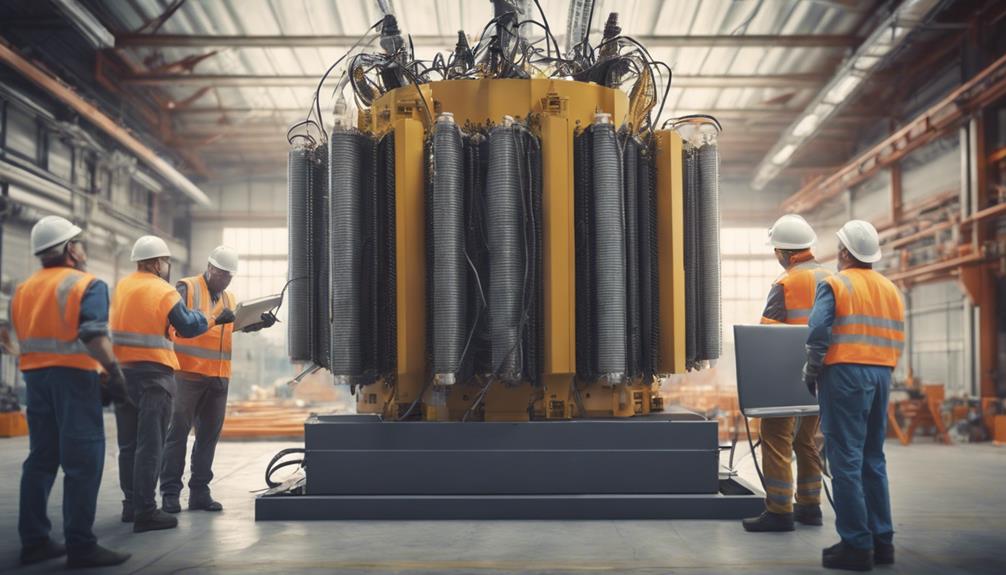
To guarantee your transformer remains efficient and reliable, your yearly maintenance schedule should include thorough checks of the cooling systems, the oil condition of OLTC, and cleaning all marshaling boxes. Start by examining the Buchholz relay mechanically to make sure it operates correctly.
Don’t forget to verify the functionality of the Press Release Device; this is essential for maintaining safety and performance.
It would be best if you also tightened all gasket joints to prevent leaks and maintain the integrity of the transformer. Cleaning all control switches is another important task to avoid potential electrical issues.
Next, measure the resistive value of earth connections and risers. This step is critical to ensure proper grounding and to prevent electrical faults.
Inspecting the oil condition in the OLTC is important for detecting any signs of contamination or degradation. Addressing these issues early can prevent more significant problems later.
Oil Analysis and Testing
Regular oil analysis and testing are essential for ensuring your transformer’s peak performance and longevity. By routinely analyzing transformer oil, you can detect potential issues such as moisture content and dissolved gases. These contaminants can indicate insulation breakdown and thermal stress, compromising transformer performance.
Oil testing is a critical component of preventative maintenance. It allows you to monitor key oil properties and identify early signs of degradation. For instance, increased moisture content can reduce dielectric strength, making the transformer more prone to failures. Similarly, the presence of dissolved gases often points to overheating and other operational issues.
Visual and Thermal Inspections
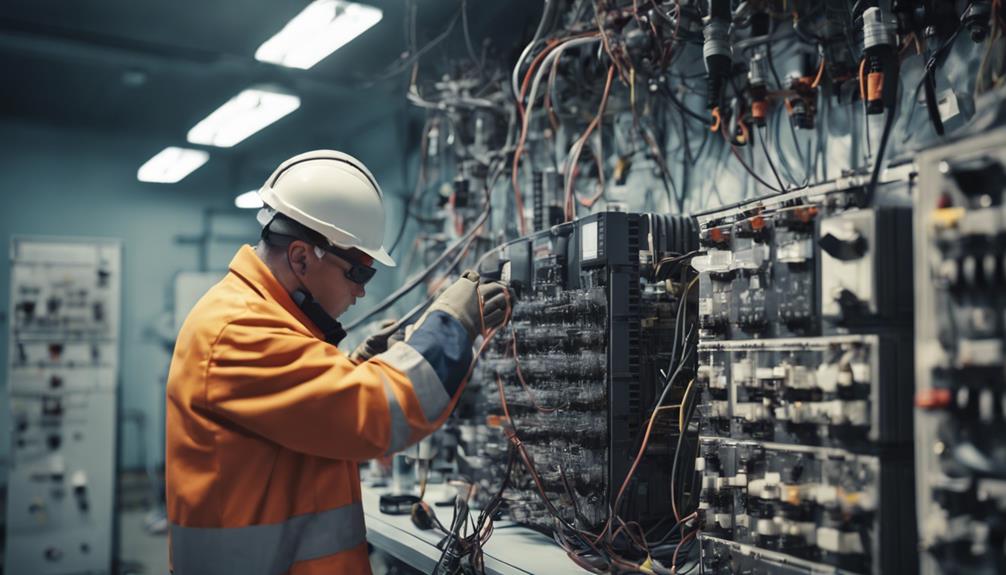
Visual and thermal inspections are vital for identifying and addressing potential transformer issues before they escalate into significant problems. During transformer maintenance, these inspections are integral to thoroughly assessing transformer health.
By conducting regular visual inspections, you can detect early signs of problems such as overheating, moisture ingress, and mechanical stress. These inspections involve checking for oil leaks, rust, corrosion, and damage to components like bushings and gaskets.
On the other hand, thermal inspections use thermographic cameras to identify hot spots that might indicate potential issues with winding insulation or connections. These inspections can reveal hidden faults that aren’t visible during routine visual checks.
Combining visual and thermal inspections provides a detailed understanding of the transformer’s condition, allowing for early detection and timely intervention.
Here’s what you should look out for during these inspections:
- Oil Leaks: Indicate potential seal or gasket issues.
- Rust and Corrosion: Point to environmental exposure or aging components.
- Hot Spots: Detected using thermal cameras, suggesting insulation or connection problems.
- Mechanical Stress: Visible signs of strain on bushings and other components.
Frequently Asked Questions
What Is the Maintenance of a Transformer?
When maintaining a transformer, you’ll regularly inspect the cooling system and guarantee proper load management: conduct winding and insulation resistance checks.
Perform bushing inspection and verify core integrity. Use thermal imaging and vibration analysis for detailed assessments.
Tighten terminal connections and inspect ground connections. Regular maintenance includes checking oil levels and condition, as well as examining the condition of the on-load tap changers.
Don’t skip these essential steps!
How Often Should a Transformer Be Serviced?
It would be best to service a transformer based on a specific inspection schedule. Monthly checks cover oil levels and temperature monitoring. Half-yearly, focus on load testing, insulation assessment, and the cooling system. Yearly, inspect electrical connections, perform vibration analysis, adjust relay settings, and follow safety protocols.
These steps guarantee the best equipment lifespan and performance and prevent failures. Regular maintenance and thorough inspections are essential for keeping your transformer in shape.
What Should Transformer Maintenance Include Checks For?
Verify insulation resistance, cooling system efficiency, and oil leaks when maintaining a transformer. You should also inspect terminal connections and guarantee the grounding system is intact.
Assess the bushing condition, load tap performance, and ventilation system. Don’t forget to review the core grounding and conduct temperature monitoring.
Regular checks will help you catch issues early and keep your transformer running smoothly.
How Often Should Transformer Oil Be Changed?
You should change the transformer oil based on regular oil sampling and testing. Check for dielectric strength, fluid contamination, and moisture levels.
Monitor oil acidity and watch for signs of sludge formation and oil oxidation. Conduct gas analysis to detect dissolved gases.
While oil filtration can extend intervals, don’t skip routine checks. Manufacturers’ guidelines and industry standards will help determine precise intervals, ensuring your transformer stays in peak condition.
Conclusion
Sticking to daily, monthly, and yearly maintenance routines ensures your transformer stays in excellent condition. Regular oil analysis and testing and visual and thermal inspections catch issues early before they escalate, maximizing the transformer’s reliability and efficiency.
Don’t overlook these tasks—your diligence now will save you from costly repairs and downtime later. Keep up with the maintenance; your transformer will serve you well for years.
FAQs
1. Why is transformer maintenance important?
Transformer maintenance ensures the equipment’s reliability, efficiency, and longevity. Regular maintenance helps prevent unexpected failures, reduces downtime, and extends the transformer’s lifespan, saving costs and enhancing operational efficiency.
2. What are the key steps in transformer maintenance?
The key steps in transformer maintenance include:
-
Regular Visual Inspections
Regular visual inspections should be conducted to check for oil leaks, signs of corrosion, and any physical damage to the transformer and its components. Ensure that cooling systems, such as fans and radiators, are clean and functioning properly.
-
Oil Testing and Analysis
Regularly test and analyze transformer oil to check for contaminants, moisture content, and dielectric strength. Oil quality affects the transformer’s insulation and cooling capabilities. Perform dissolved gas analysis (DGA) to detect any early signs of internal faults.
-
Electrical Testing
Perform electrical tests such as insulation resistance tests, winding resistance tests, and transformer turns ratio (TTR) tests to assess the transformer’s electrical integrity. These tests help identify potential issues like insulation degradation or winding problems.
-
Thermographic Inspections
Use infrared thermography to detect hotspots and abnormal temperature rises in the transformer. This non-invasive method helps identify overheating components and potential points of failure, allowing for early intervention.
-
Cleaning and Tightening Connections
Ensure all electrical connections are clean and tight to prevent overheating and electrical arcing. Regularly clean the bushings and terminals to remove dirt and debris that can affect performance.
-
Monitoring and Diagnostics
Implement continuous monitoring and diagnostic systems to track the transformer’s operating conditions, such as temperature, load, and voltage. Advanced monitoring systems can provide real-time data and early warnings of potential issues.
2. How often should transformer maintenance be performed?
The frequency of transformer maintenance depends on the type of transformer, its operating conditions, and the manufacturer’s recommendations. Generally, visual inspections and oil level checks should be performed monthly, annual oil testing and electrical tests, and comprehensive inspections every 3-5 years.
3. What are the benefits of regular transformer maintenance?
Regular transformer maintenance ensures the reliable operation of electrical systems, reduces the risk of unexpected failures, extends the transformer’s lifespan, and enhances safety. It also helps maintain optimal performance and efficiency, ultimately leading to cost savings and improved productivity.