

How to Improve Energy Efficiency in a House
Start with some practical yet effective steps to enhance energy efficiency in your house. Begin with annual furnace maintenance to keep it running smoothly. Don’t forget to replace furnace filters regularly and consider a high-efficiency model for long-term benefits. Insulating your water heater with a blanket can notably cut heat loss. Sealing ductwork and testing for drafts around windows and doors are also vital. Finally, switching to energy-saving appliances, LED lightbulbs, and smart thermostats can make a significant difference. Are you curious about the specifics of each step and how they can save you money?
Key Takeaways
- Seal ductwork and joints with heating-vent tape to prevent hot air escape and save energy.
- Replace furnace filters every three months to ensure proper airflow and maintain efficiency.
- Install insulation blankets on water heaters to reduce heat loss and lower utility bills.
- Caulk window frames and add weatherstripping to prevent drafts and enhance energy efficiency.
- Upgrade to ENERGY STAR appliances and smart thermostats for significant energy savings.
Furnace Maintenance
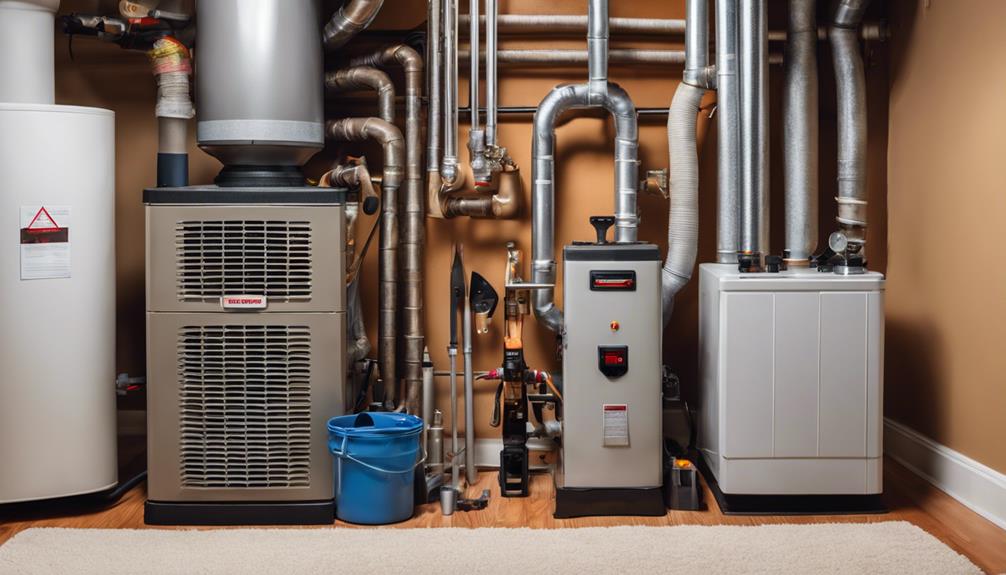
Maintaining your furnace is crucial for boosting its efficiency and extending its lifespan. Regular furnace maintenance ensures your system runs smoothly and efficiently, saving you money on energy bills. Annual servicing of older furnaces can greatly improve their energy efficiency and help them last longer. During these check-ups, professionals clean hidden parts directly impacting efficiency, ensuring your furnace operates at peak performance.
One simplest yet most effective maintenance task is replacing your furnace filters every three months. Clean filters ensure proper airflow, which is essential for maintaining efficiency. Clogged filters make your furnace work harder, reducing its efficiency and increasing energy consumption.
High-efficiency furnaces are designed to use the least energy while providing maximum heat, making them a wise investment for long-term savings.
Regular maintenance is key to keeping any old or new furnace running efficiently. Sticking to a maintenance schedule and addressing issues promptly, you can enjoy a warm home without high energy costs. Don’t overlook the significance of furnace maintenance—it’s a crucial step toward achieving a more energy-efficient home.
Water Heater Insulation
Regarding energy efficiency in your home, don’t underestimate the impact of water heater insulation. Wrapping an electric hot water tank in an insulating blanket can reduce heat loss by up to 45%. This simple and cost-effective measure helps maintain water temperature, reducing the need for constant reheating and leading to significant energy savings.
Consider these benefits of water heater insulation:
- Reduces heat loss: An insulating blanket minimizes heat escape, keeping the water hotter for longer.
- Lower energy costs: Maintaining the water temperature requires less energy to reheat the water, cutting down on utility bills.
- Easy installation: Installing an insulating blanket is a straightforward task that provides immediate results.
On-demand water heaters are another highly efficient option, heating water only when needed. While they save energy by avoiding the standby heat loss associated with traditional tanks, adding insulation to your existing electric hot water tank remains an excellent way to boost energy efficiency.
Proper insulation will make your home more efficient and lower your energy bills. So, take the time to wrap your water heater and enjoy the benefits of reduced heat loss and increased energy savings.
Ductwork Sealing
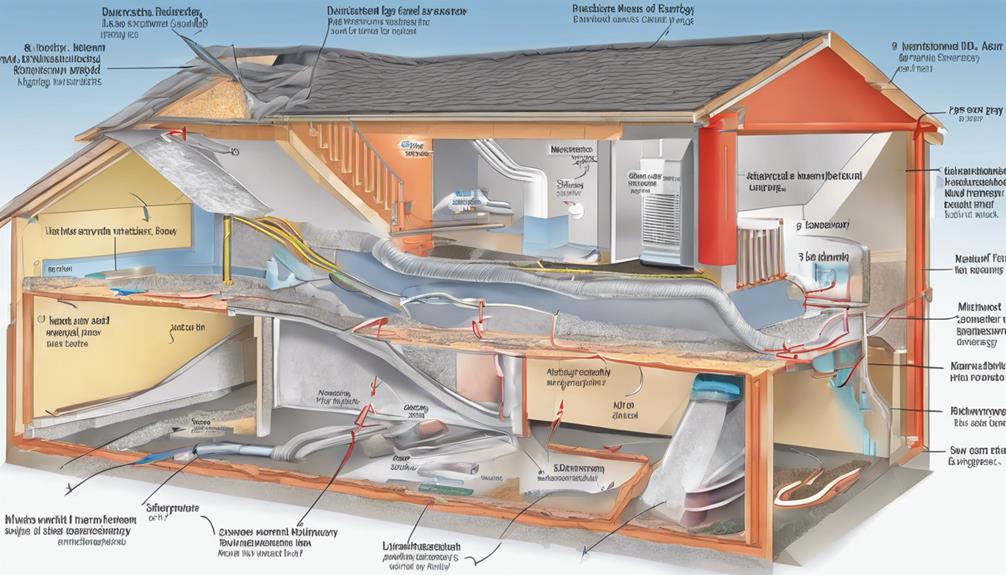
While water heater insulation significantly enhances energy efficiency, ductwork sealing is another key area to focus on. Properly sealing ductwork ensures that hot air doesn’t escape through joints, notably improving heating efficiency.
One of the most effective ways to do this is using heating-vent tape. This tape seals duct joints tightly, ensuring the heat reaches your house’s desired areas without leaking.
Sealing ductwork boosts heating efficiency and leads to considerable energy savings. When your ducts are properly sealed, you won’t have to heat areas unnecessarily, reducing energy consumption.
This means your heating system won’t have to work as hard, extending its lifespan and saving you money in the long run.
Moreover, improved ductwork sealing helps maintain a comfortable temperature throughout your home. When the heat reaches its intended destination efficiently, every room stays warmer, making your living spaces more comfortable.
Window and Door Testing
Drafty windows and doors can greatly undermine your home’s energy efficiency. To identify and fix these issues, start by testing for air leaks. Slowly move a stick of incense or a candle around the edges of your window frames and doors. If the smoke or flame flickers, you’ve found a draft.
Here’s what you can do to address these drafts:
- Caulk Window Frames: Use caulk to seal gaps and prevent heat loss in colder months.
- Install Weatherstripping: Replace or add weatherstripping around windows and doors to improve energy efficiency.
- Add Door Sweeps: Install door sweeps at the bottom of doors to create airtight seals and keep heat inside.
For additional insulation, consider applying exterior window film. This not only helps in reducing energy waste but also adds an extra layer of protection against drafts.
Efficient Appliance Usage
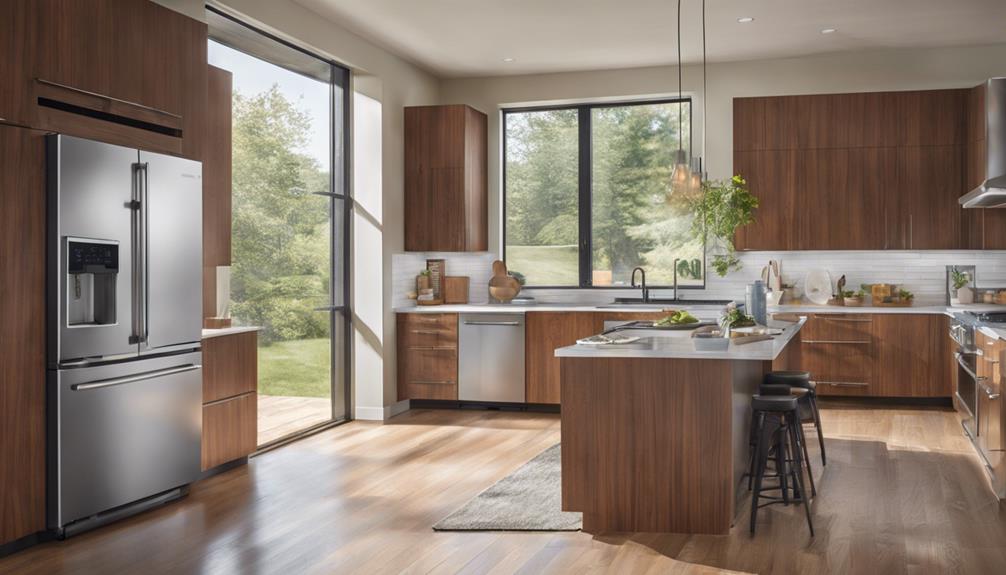
Maximizing energy efficiency in your home extends beyond sealing drafts; it also involves making smart choices with your appliances. Start by upgrading to ENERGY STAR appliances. According to the Department of Energy, these energy-saving appliances can save you up to 30% on your energy bill. They’re designed to reduce energy consumption without sacrificing performance.
Efficient appliance usage doesn’t stop at buying new gadgets. Use LED lightbulbs, which consume 75% less energy than incandescent bulbs, and install smart thermostats to cut heating and cooling costs by up to 10%. These small changes can greatly improve your home’s energy efficiency.
Another tip is investing in low-flow shower heads and faucets. These can save over 50% of water usage, indirectly reducing the energy required to heat the water.
Don’t overlook the importance of maintenance, either. Maintaining your energy-saving appliances can increase their lifespan and ensure they operate efficiently.
Conclusion
These steps will boost your home’s energy efficiency and save on utility bills. Keep your furnace in top shape with regular maintenance and upgrades, insulate your water heater, and seal ductwork to keep the heat where it belongs. Check for drafts around windows and doors, and don’t hesitate to use energy-saving appliances, LED bulbs, and smart thermostats. These small changes add up, making your home more comfortable and your wallet happier.
FAQs
1. How Do I Increase the Energy Efficiency of My Home?
To increase your home’s energy efficiency, upgrade insulation, install smart thermostats, use energy-efficient appliances, and switch to LED lighting. Add weather stripping and window treatments, consider solar panels, conduct energy audits, and guarantee you have efficient HVAC systems.
2. What Is One Way of Improving Energy Efficiency in the Home?
You can improve your home’s energy efficiency by installing insulation upgrades. Consider using smart thermostats, LED lighting, and energy-efficient appliances. Conducting energy audits, using window treatments, and adding solar panels also help. Air sealing is vital, too.
3. How Do You Make Your House More Efficient?
You can make your house more efficient by upgrading insulation, using smart thermostats, and installing energy-efficient appliances and LED lighting. Add weather stripping, solar panels, window treatments, programmable timers, and power strips. Don’t forget regular energy audits.
4. Which Is the Most Energy-Efficient Option Used at Home?
Solar panels are the most energy-efficient option for homes, but combining LED lighting, a programmable thermostat, energy-efficient appliances, smart technology, insulation upgrades, weather stripping, energy audits, window treatments, and roof insulation maximizes efficiency.
