Speed Control of 3-Phase Induction Motor: The Power of Precision
Speed control is a crucial aspect of optimizing the performance of 3-phase induction motors. These motors, widely used in various industrial applications, require precise control over their rotational speed to ensure efficient operation. From powering pumps and compressors to driving conveyor belts and fans, the ability to regulate the speed of these motors opens up a world of possibilities for enhanced productivity and energy savings.
In this introductory piece, we delve into the fascinating realm of speed control for 3-phase induction motors. By exploring the underlying principles and techniques, we aim to provide a solid foundation for further exploration of this captivating subject matter.
The first step in understanding speed control is grasping the fundamental workings of a 3-phase induction motor. These motors use electromagnetic induction to generate a rotating magnetic field, propelling the motor’s rotor. By manipulating the frequency and voltage supplied to the motor, we can exert precise control over its speed.
Various methods exist for achieving this control, each with advantages and considerations. The most commonly employed techniques include voltage control, frequency control, and variable frequency drives (VFDs). Each method offers a unique approach to altering the speed of the motor, allowing for flexibility and adaptability in diverse applications.
As we embark on this exploration, we will delve into the intricacies of each speed control method, examining its benefits, limitations, and real-world applications. We will also explore the impact of speed control on motor efficiency, power factor, and overall system performance.
Join us on this captivating journey into speed control for 3-phase induction motors. Together, we will unlock the secrets to harnessing the power of precision, optimizing operations, and achieving unprecedented levels of efficiency in a wide range of industrial settings. Stay tuned for an enlightening and informative dive into this captivating subject matter.
Speed Control of 3-Phase Induction Motor
Speed control of 3-phase induction motors is crucial in various industrial applications. By controlling the speed of these motors, we can optimize their performance and enhance efficiency. In this article, we will explore different methods and techniques used for speed control of 3-phase induction motors.
One commonly used method is the voltage control method. By adjusting the voltage supplied to the motor, we can control its speed. This method is simple and cost-effective, making it suitable for many applications. However, it has limitations in terms of speed range and torque control.
Another method is the frequency control method. By varying the frequency of the power supply, we can control the speed of the motor. This method offers a wider speed range and better torque control than the voltage control method. However, it requires complex control circuits and is more expensive.
Pulse Width Modulation (PWM) control is another popular technique for speed control of 3-phase induction motors. It involves varying the width of the pulses in the power supply to control the motor speed. PWM control offers precise speed control and high efficiency. It is widely used in applications that require accurate speed control, such as robotics and automation.
In recent years, technological advancements have led to the development of sensorless control methods for 3-phase induction motors. These methods eliminate the need for external sensors, reducing cost and complexity. Sensorless control techniques, such as vector and direct torque control, offer improved performance and efficiency.
In conclusion, speed control of 3-phase induction motors is essential for optimizing performance and efficiency in various industrial applications. Different methods and techniques, such as voltage control, frequency control, PWM control, and sensorless control, offer different advantages and are suitable for different applications. By understanding these methods, engineers can select the most appropriate speed control technique for their specific requirements.
Methods of Speed Control

One of the key aspects of controlling the speed of a 3-phase induction motor is understanding the various methods available. These methods provide flexibility and efficiency in different applications, allowing optimal performance. In this article, we will explore some of the commonly used methods of speed control for 3-phase induction motors.
One method of speed control is the pole-changing technique. This method involves altering the number of stator poles to change the synchronous speed of the motor. By changing the pole configuration, the motor’s speed can be adjusted to meet specific requirements. This method is particularly useful in applications where a wide range of speeds is required.
Another popular method is the use of variable frequency drives (VFDs). VFDs allow for precise control of the motor’s speed by adjusting the frequency of the input voltage. By varying the frequency, the motor’s speed can be increased or decreased as needed. This method is widely used in industries where precise speed control is essential, such as pumps, fans, and conveyors.
Additionally, rotor resistance control can be employed to control the speed of a 3-phase induction motor. By inserting external resistance in the rotor circuit, the motor’s torque-speed characteristics can be modified. This method is commonly used in applications where a limited speed range is required.
Furthermore, cascade control can provide enhanced speed control for 3-phase induction motors. This method involves using two or more motors connected in series, with the speed of the first motor being controlled by a variable frequency drive. The output of the first motor is then used to control the speed of the second motor. This method allows for precise speed control and is often used in high-performance applications.
In conclusion, several methods are available for speed control of 3-phase induction motors. Each method offers its advantages and is suitable for different applications. By understanding these methods, engineers can select the most appropriate technique to achieve the desired speed control for their specific motor applications.
Advantages of Speed Control
Speed control is a crucial aspect of operating a 3-phase induction motor. By manipulating the speed, we can optimize the motor’s performance and achieve various advantages. In this article, we will explore the benefits of speed control in depth.
One of the primary advantages of speed control is energy efficiency. By adjusting the motor’s speed according to the load requirements, we can minimize energy wastage. This not only reduces electricity costs but also contributes to a greener environment by conserving energy resources.
Another advantage is improved process control. Different industrial applications require different speeds for optimal performance. With speed control, we can precisely adjust the motor’s speed to match the specific requirements of the process. This ensures smooth operation and enhances overall productivity.
Speed control also enables better torque control. By varying the motor’s speed, we can regulate the torque output, allowing for more precise control over the system. This is particularly beneficial in applications that require accurate and consistent torque levels, such as robotics and conveyors.
Furthermore, speed control enhances the motor’s lifespan. Running the motor at a constant high speed can lead to excessive wear and tear, reducing its longevity. By implementing speed control, we can prevent unnecessary stress on the motor, prolonging its operational life and reducing maintenance costs.
Lastly, speed control offers flexibility in operation. Different tasks may require different speeds, and with speed control, we can easily adapt to changing requirements. This versatility allows for a wider range of applications and ensures that the motor can be utilized effectively in various industries.
In conclusion, speed control of a 3-phase induction motor brings numerous advantages, including energy efficiency, improved process control, better torque control, increased lifespan, and operational flexibility. These benefits make speed control an essential feature for any industrial application involving induction motors.
Disadvantages of Speed Control

Speed control plays a crucial role in efficiently operating 3-phase induction motors. However, it is important to acknowledge that there are certain disadvantages associated with this control method. Understanding these drawbacks is essential for engineers and technicians working with induction motors.
One of the main disadvantages of speed control is the increased complexity and cost of the control system. Implementing a speed control mechanism requires additional components such as variable frequency drives (VFDs) or electronic speed controllers (ESCs). These components add to the overall cost of the motor system and may require specialized knowledge for installation and maintenance.
Another disadvantage is the potential for reduced motor efficiency. When speed control is employed, the motor operates at a lower power factor, leading to increased losses. This can result in decreased overall motor efficiency and higher energy consumption. It is crucial to carefully balance the desired speed control with the energy efficiency requirements of the application.
Additionally, speed control can introduce harmonics into the electrical system. VFDs and ESCs generate harmonics that can interfere with other sensitive equipment connected to the same power supply. Proper filtering and isolation techniques are necessary to mitigate the effects of harmonics and ensure the smooth operation of the entire system.
Furthermore, speed control may also lead to increased maintenance requirements. The additional components and control circuitry can introduce potential points of failure. Regular maintenance and troubleshooting become essential to ensure the reliability and longevity of the motor system.
In conclusion, while speed control offers numerous benefits regarding motor performance and flexibility, it is important to consider the associated disadvantages. Increased complexity, reduced efficiency, harmonics, and maintenance requirements are factors that need to be carefully evaluated when implementing speed control in 3-phase induction motor systems.
V/f Control
V/f control, also known as voltage-frequency control, is widely used for speed control of 3-phase induction motors. It is a simple and efficient technique that ensures the motor operates at the desired speed under varying load conditions.
In V/f control, the voltage supplied to the motor is varied in proportion to the frequency of the power supply. As the frequency increases, the voltage is also increased to maintain a constant V/f ratio. This helps achieve a smooth and stable motor operation, regardless of the load changes.
One of the key advantages of V/f control is its simplicity. The control strategy is based on a straightforward mathematical relationship between voltage and frequency, making it easy to implement and understand. It does not require complex control algorithms or additional hardware, making it cost-effective for various industrial applications.
Another benefit of V/f control is its ability to provide a wide range of speed control. By adjusting the frequency and voltage, the motor speed can be smoothly varied from low to high speeds. This flexibility makes V/f control suitable for applications that require precise speed regulation, such as conveyor systems, pumps, and fans.
Moreover, V/f control offers good torque control characteristics. The motor torque can be controlled by adjusting the V/f ratio, allowing precise control over the motor’s performance. This is particularly important in applications that require high starting torque or constant torque operation.
In conclusion, V/f control is a reliable and efficient method for speed control of 3-phase induction motors. Its simplicity, wide speed range, and good torque control characteristics make it a popular choice in various industrial applications. By implementing V/f control, engineers can ensure smooth and stable motor operation under varying load conditions.
Rotor Resistance Control
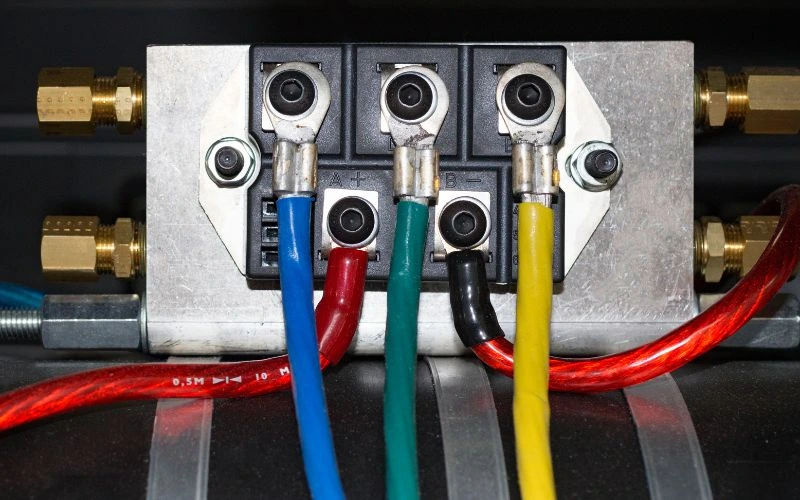
The rotor resistance control method is one of the most widely used techniques for speed control of 3-phase induction motors. By varying the rotor resistance, the motor’s speed can be adjusted to meet specific requirements in various applications.
In this method, the rotor resistance is increased or decreased using external resistors connected to the rotor circuit. By increasing the resistance, the rotor current is reduced, resulting in a decrease in the motor’s torque and speed. On the other hand, decreasing the resistance increases the rotor current, leading to an increase in torque and speed.
One of the advantages of rotor resistance control is its simplicity. It is relatively easy to implement and does not require complex control algorithms or additional equipment. However, it is important to note that this method has limitations regarding its speed control range. The speed can only be controlled within a certain range, and beyond that, the control becomes less effective.
Another consideration when using rotor resistance control is energy efficiency. Increasing the rotor resistance leads to increased power losses in the rotor circuit, resulting in lower overall efficiency of the motor. Therefore, this method is typically used in applications where precise speed control is not critical, and energy efficiency is not a primary concern.
In conclusion, rotor resistance control is a commonly used method for speed control of 3-phase induction motors. It offers simplicity and ease of implementation but has limitations regarding speed control range and energy efficiency. Understanding the advantages and limitations of this method is crucial in selecting the appropriate speed control technique for specific motor applications.
Stator Voltage Control
Stator voltage control is a crucial aspect of speed control for 3-phase induction motors. By manipulating the voltage supplied to the stator windings, the speed of the motor can be effectively controlled. This technique is widely used in various industries to control motor speed precisely.
One of the primary advantages of stator voltage control is its simplicity. It is a cost-effective method that requires minimal additional equipment. By adjusting the voltage, the motor can be operated at different speeds without complex control systems.
To implement stator voltage control, a variable voltage source is connected to the motor’s stator windings. By varying the voltage, the magnetic field produced in the motor can be manipulated, which in turn affects the speed of the motor. Higher voltages result in higher speeds, while lower voltages lead to slower speeds.
This method of speed control is particularly useful in applications where a wide range of speeds is required. For example, in industrial processes that involve conveyor belts or pumps, the ability to adjust the motor speed allows for optimal performance and energy efficiency.
Furthermore, stator voltage control offers good torque control at low speeds. This is essential in applications that require precise control over motor operation, such as robotics or machine tools.
In conclusion, stator voltage control is a simple and effective method for speed control in 3-phase induction motors. Its cost-effectiveness, versatility, and ability to provide precise control make it a popular choice in various industries. By adjusting the voltage supplied to the stator windings, the motor’s speed can be easily manipulated, allowing for optimal performance and energy efficiency.
Frequency Control
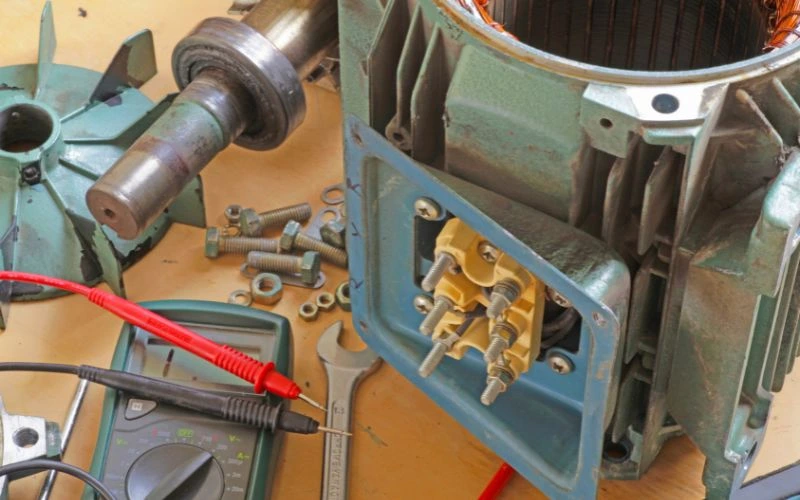
Frequency control plays a crucial role in the speed control of 3-phase induction motors. By manipulating the frequency of the power supply, the speed of the motor can be adjusted to meet specific requirements. This technique is widely used in industrial applications where precise speed control is necessary.
One of the most common methods of frequency control is through the use of variable frequency drives (VFDs). VFDs are electronic devices that convert the incoming AC power supply into a variable frequency and voltage output. By adjusting the frequency and voltage, the VFD can regulate the speed of the motor.
The advantage of using VFDs for frequency control is their ability to provide smooth and precise speed adjustments. This is achieved by continuously monitoring the motor’s speed and adjusting the frequency accordingly. VFDs offer other benefits, such as soft starting and stopping, overload protection, and energy savings.
Another method of frequency control is through the use of cycloconverters. Cycloconverters are power electronic devices that directly convert the input frequency to the desired output frequency. They are commonly used in applications where a wide range of speed control is required, such as in traction systems.
In addition to VFDs and cycloconverters, there are other techniques for frequency control, including the use of phase-locked loop (PLL) systems and pulse width modulation (PWM) techniques. These methods provide different levels of control and are suitable for various applications.
In conclusion, frequency control is a vital aspect of speed control in 3-phase induction motors. By manipulating the frequency of the power supply, the speed of the motor can be adjusted to meet specific requirements. Whether through VFDs, cycloconverters, or other techniques, frequency control offers precise and efficient speed control solutions for various industrial applications.
In conclusion, the post on “speed control of 3-phase induction motor” has provided a comprehensive overview of various methods and techniques used for controlling the speed of these motors.
Throughout the post, we discussed the importance of speed control in 3-phase induction motors and highlighted its benefits. By adjusting the motor’s speed, users can optimize its performance in various applications, increasing efficiency and productivity.
We explored different methods of speed control, including V/f control, rotor resistance control, stator voltage control, and frequency control. Each method was explained in detail, outlining its working principle and advantages.
While speed control of 3-phase induction motors offers numerous benefits, there are also some drawbacks. These include increased complexity, higher costs, and potential efficiency losses at lower speeds. However, the advantages outweigh the disadvantages, making speed control an essential aspect of motor operation.
Looking ahead, we anticipate further advancements and developments in speed control techniques for 3-phase induction motors. With the rapid technological progress, we can expect more efficient and advanced control methods to emerge, offering even greater flexibility and precision in motor speed control.
As a reader, it is crucial to stay updated with the latest trends and advancements in this field. By monitoring industry developments, you can make informed decisions and leverage the most suitable speed control methods for your application.
We thank you for taking the time to read this post. We hope that the information provided has been insightful and valuable to you. We encourage you to leave any comments or feedback, as we are always eager to hear from our readers.
Remember, understanding and implementing effective speed control techniques for 3-phase induction motors can significantly enhance the performance and efficiency of your motor-driven systems. So, don’t hesitate to explore and experiment with different methods to optimize your motor’s speed control capabilities.