Problems With Self-Excited Generators: Common Issues
When dealing with self-excited generators, you’ll often encounter issues like voltage fluctuations that disrupt connected devices or load instability causing power surges. Have you ever wondered why your generator’s field coils overheat or excitation control becomes problematic? These challenges can compromise the reliability of your power supply. Voltage regulation, influenced by varying load demands, adds another layer of complexity. Proactive maintenance is essential, yet the intricacies involved may surprise you. So, what specific strategies can you employ to tackle these persistent problems effectively?
Key Takeaways
- Voltage fluctuations can disrupt connected devices, often caused by residual magnetism and speed variations.
- Load instability due to sudden changes can lead to power surges or drops, impacting performance.
- Field coil overheating from excessive current and inadequate cooling can degrade insulation and cause shorts.
- Poor excitation control can result in unstable voltage output, risking damage to connected equipment.
- Voltage regulation challenges arise from load demand variations and external factors like temperature changes, affecting power supply consistency.
Voltage Fluctuations
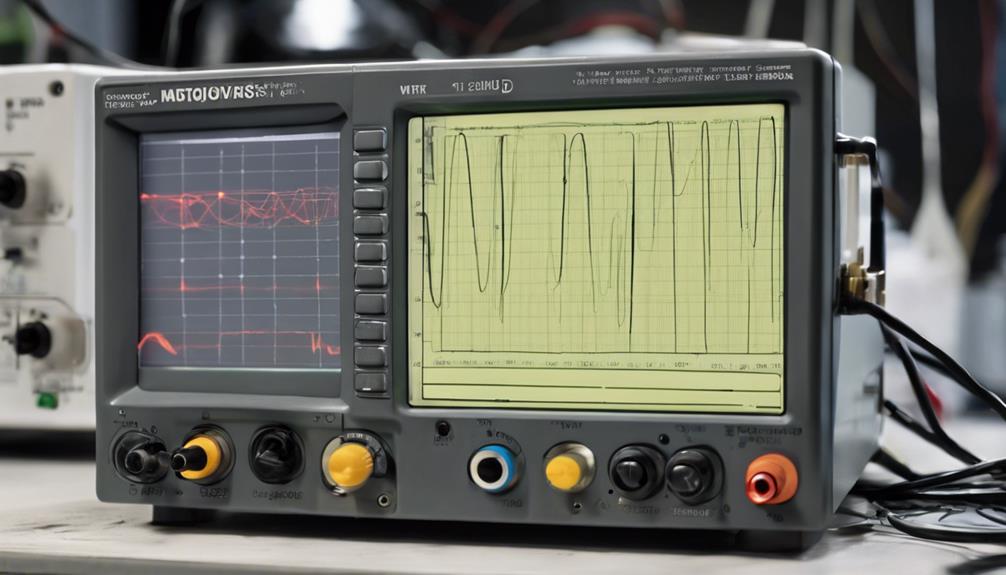
Voltage fluctuations in self-excited generators can present significant challenges, especially when demand changes. These fluctuations can lead to unstable power output, disrupting the performance of connected devices.
One critical factor behind these fluctuations is residual magnetism. In self-excited DC generators, residual magnetism in the generator’s core aids in kickstarting the voltage build-up process. However, variations in this residual magnetism can cause inconsistencies in the generated voltage.
Speed variations also play a significant role in voltage fluctuations. When the generator’s speed changes, it directly affects the magnetic field strength and, consequently, the voltage output. Temperature fluctuations can further exacerbate the situation by changing the resistance of the generator’s windings, leading to more instability.
Regular maintenance and monitoring of your self-excited generators are crucial to minimizing these voltage fluctuations. This includes checking for any signs of wear and tear, ensuring the generator operates within its specified parameters, and monitoring the residual magnetism levels.
Additionally, implementing voltage regulators and control systems can help stabilize voltage levels, mitigating the impact of these fluctuations. Doing so guarantees a more reliable and consistent power output from your self-excited DC generators.
Load Instability
Load instability in self-excited generators can wreak havoc on your power system, especially when the generator can’t maintain steady voltage under varying load conditions. When your generator experiences load fluctuations, it struggles to keep the voltage output consistent. This instability can lead to sudden power surges or drops, posing a significant risk to any connected equipment. Imagine your sensitive electronics getting fried because the generator can’t handle a sudden change in demand!
Several factors can contribute to this instability. Sudden changes in the load, like switching on heavy machinery, can throw your generator off balance.
Additionally, improper maintenance can further exacerbate the problem, as worn-out components may not respond well to load changes. Without proper voltage regulation mechanisms, your generator will likely experience these issues.
To mitigate load instability, you must invest in robust voltage regulation systems. These systems help your generator maintain a steady voltage output, even when the load varies. Regular maintenance is also essential to guarantee all components are in good working condition. By addressing load instability proactively, you can protect your equipment and ensure a reliable power supply.
Field Coil Overheating
Field coil overheating in self-excited generators is an essential issue that can endanger your entire power system. When excessive current flows through the field winding, it leads to high temperatures that can degrade the insulation materials. This degradation increases the risk of short circuits and subsequent generator malfunctions. Overheating often results from prolonged operation at high loads or inadequate cooling mechanisms, making it vital to monitor your field coil’s temperature continuously.
Proper maintenance is necessary to prevent damage and safeguard your generator’s reliability. This includes regular checks, adequate ventilation, and effective load management. Neglecting these practices can lead to severe consequences, including permanent damage to your generator and costly downtime.
Here’s a quick overview of key factors related to field coil overheating:
| Factor | Impact | Mitigation |
|---|---|---|
| Excessive Current | Degrades insulation, shorts | Monitor current flow |
| High Loads | Increases temperature | Manage load levels |
| Inadequate Cooling | Leads to overheating | Improve ventilation |
Excitation Control Issues
While addressing field coil overheating is essential for your generator’s longevity, another significant issue that demands attention is excitation control. Excitation control issues can cause unstable voltage output, which isn’t just a minor inconvenience; it can lead to serious problems. Voltage fluctuations resulting from poor excitation control can damage devices connected to your generator, possibly leading to costly repairs or replacements.
When your generator experiences variations in excitation, it struggles to provide sufficient power under varying load conditions. This inconsistency is more than just a technical hiccup; it can impact your power supply’s overall performance and reliability. Without proper excitation adjustments, your generator may fail to maintain a steady voltage level, essential for its efficient operation.
It is crucial to ensure precise excitation adjustments. A well-maintained excitation control system helps prevent voltage fluctuations and keeps your generator running smoothly.
Voltage Regulation Challenges

Exploring the voltage regulation challenges of self-excited generators is crucial for maintaining a stable power supply. When you have a self-excited generator, variations in load demand can greatly impact voltage regulation. As load demand fluctuates, you might observe voltage drops or surges that can disrupt the consistency of your power supply. This instability is a common issue because self-excited generators cannot adjust their voltage output dynamically.
Fluctuations in load can cause your generator to struggle with maintaining a steady voltage, especially under sudden changes in demand. This lack of adaptability can lead to power supply problems, impacting the reliability of your entire system.
External factors like temperature changes or aging components can exacerbate these voltage regulation challenges, making it even harder to keep the voltage within the desired limits.
If you rely on a self-excited generator, you must be aware of these potential issues. Proactively addressing voltage regulation challenges can help ensure a more stable and reliable power supply, even when facing varying load demands and external environmental factors. Without proper management, these challenges can lead to substantial operational disruptions.
Maintenance Requirements
You’ll need to perform regular inspections to keep self-excited generators running smoothly. Checking and adjusting brushes, cleaning the commutator, and inspecting windings for wear are critical.
Don’t forget to monitor lubrication and test the insulation resistance regularly to avoid component wear and guarantee safe operation.
Routine Inspection Needs
Regular examination of self-excited generators is essential to address potential issues early on before they worsen. By confirming the magnetic field is operating correctly, you can prevent an open circuit from interrupting flowDC. Start by checking for any loose connections; these can cause intermittent faults and reduce the generator’s efficiency.
It’s also crucial to regularly inspect brushes, commutators, and insulation. Worn-out brushes or a dirty commutator can lead to poor contact and ineffective operation. Damaged insulation might result in short circuits, posing safety risks and causing operational downtime.
Don’t forget to monitor the cooling system and lubrication levels. Overheating or insufficient lubrication can lead to severe damage and expensive repairs.
Following the manufacturer’s maintenance guidelines is vital. These guidelines are crafted to help you maintain peak performance and extend the lifespan of your self-excited generator. Adhering to these recommendations minimizes the risk of unforeseen breakdowns and ensures reliable operation.
Component Wear Issues
Component wear in self-excited generators is inevitable and can greatly impact performance and efficiency. Over time, parts like brushes, bearings, and windings experience wear, leading to decreased efficiency and potential generator failure. Increased friction and overheating are common symptoms of component wear, and if left unchecked, these issues can escalate, causing severe damage.
Regular maintenance is essential to mitigate these problems. You need to schedule routine inspections to monitor the condition of these critical components. Proper lubrication of bearings, for instance, can notably reduce friction and prevent overheating.
Cleaning and inspecting brushes and windings will help you identify early signs of wear and address them before they cause major issues.
Conclusion
To keep your self-excited generator running smoothly, you must address common issues like voltage fluctuations, load instability, field coil overheating, excitation control problems, and voltage regulation challenges. Regular maintenance is essential. By being proactive, you’ll guarantee a stable power supply and prolong your generator’s lifespan. Don’t overlook these problems; they can disrupt connected devices and lead to costly repairs. Stay on top of maintenance to keep everything in balance.
FAQs
What are the common problems with self-excited generators?
Self-excited generators face several common issues that can affect their performance and reliability. Some of the most frequent problems include:
- Voltage Instability: The output voltage of self-excited generators can be unstable, especially under varying load conditions. This instability is often due to changes in the excitation current directly affecting the generator’s voltage.
- Loss of Residual Magnetism: Self-excited generators use residual magnetism to generate electricity. If this residual magnetism is lost due to long periods of inactivity or improper handling, the generator may fail to start.
- Overheating: When operating under heavy loads, self-excited generators can overheat, reducing efficiency and potentially damaging the windings.
- Poor Response to Load Changes: These generators may struggle to maintain a consistent output when the load changes rapidly, which can result in flickering or voltage fluctuations.
Common Issues:
- Voltage instability under varying loads.
- Loss of residual magnetism.
- Overheating during heavy use.
- Poor response to load changes.
How does the loss of residual magnetism affect self-excited generators?
Loss of residual magnetism is a significant issue for self-excited generators because it prevents them from starting properly. Residual magnetism is the small amount left in the generator’s core after it stops running. It is essential for initiating the excitation process when the generator is turned on. Without it:
- Failure to Self-Excite: The generator cannot produce the initial voltage required to build up the magnetic field, causing it to fail to generate electricity.
- RRe-magnetizationNeeded: To restore the generator’s ability to self-excite, re-magnetization or “flashing the field” may be required to fixture the necessary magnetism.
Impact of Loss of Residual Magnetism:
- Prevents generator from self-starting.
- Requires re-magnetization or flashing the field.
What causes voltage instability in self-excited generators?
Voltage instability in self-excited generators is caused by several factors that disrupt the generator’s ability to maintain a consistent output:
- Load Fluctuations: Sudden changes in load demand can cause significant variations in the generator’s output voltage, as the excitation current takes time to adjust.
- Temperature Changes: Temperature variations affect the resistance of the generator’s winding, influencing voltage regulation.
- Poor Quality of Brushes or Commutators: Wear and tear on brushes or commutators can cause intermittent contact, leading to unstable voltage output.
- Aging Components: Over time, the components of a self-excited generator can degrade, reducing its ability to maintain a stable voltage.
Causes of Voltage Instability:
- Sudden load changes.
- Temperature variations.
- Worn-out brushes or commutators.
- Aging of generator components.
How can overheating problems in self-excited generators be prevented?
Preventing overheating in self-excited generators requires proper maintenance and operational practices. Here are some effective steps to avoid this issue:
- Regular Maintenance: Regularly inspect the generator’s components, including the windings, brushes, and cooling systems, to ensure they are in good condition.
- Proper VentilatioEnsureure the generator has adequate airflow and is placed in a well-ventilated area to dissipate heat efficiently.
- Load Management: Avoid running the generator at its maximum capacity for extended periods, as continuous heavy loads can cause overheating.
- Use Quality Components: Replace worn-out parts with high-quality components to ensure better heat resistance and performance.
Overheating Prevention Tips:
- Regular maintenance of components.
- Ensure proper ventilation.
- Manage load to prevent overuse.
- Use high-quality replacement parts.
What is the effect of poor response to load changes in self-excited generators?
A poor response to load changes in self-excited generators can lead to several operational issues:
- Voltage Fluctuations: The generator’s inability to quickly adapt to changing loads causes significant voltage dips or spikes, affecting sensitive equipment connected to the power supply.
- Reduced Efficiency: Fluctuating voltage output minimizes the generator’s efficiency and may increase fuel consumption.
- Increased Wear and Tear: Constant adjustments in load demand can strain the generator’s components, leading to faster wear and tear and a shorter lifespan.
Effects of Poor Load Response:
- Voltage dips or spikaffectithe ng equipment.
- Decreased efficiency and higher fuel use.
- Accelerated wear and reduced lifespan.