Is HVDC Transmission the Future of Power Delivery?
What is HVDC Transmission?
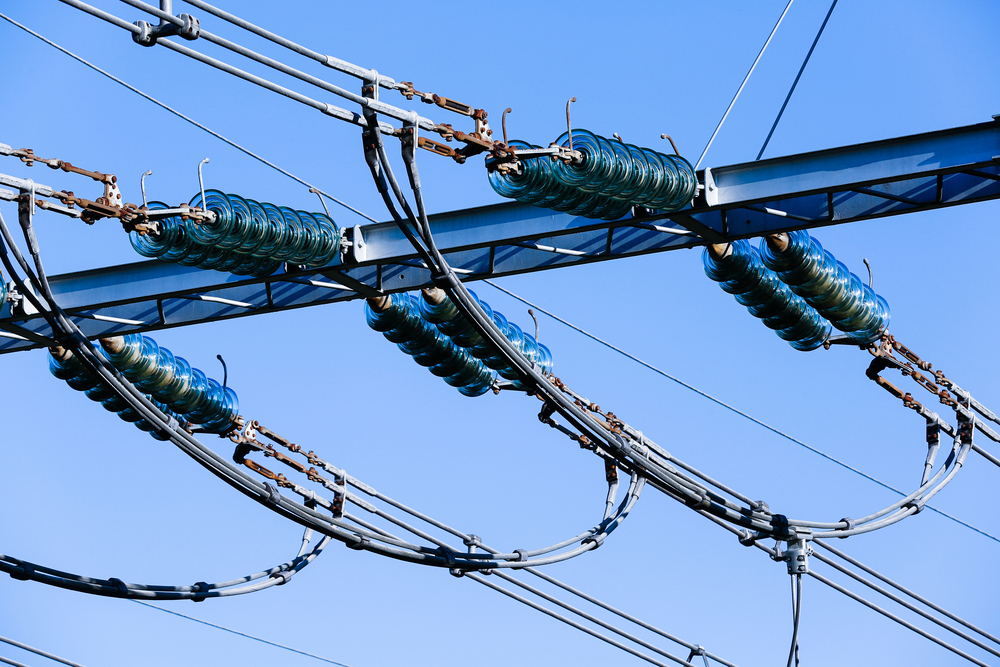
HVDC transmission is transmitting electrical power from one point to another using direct current (DC) rather than alternating current (AC). Unlike AC transmission, which periodically reverses direction, DC transmission maintains a constant polarity, allowing for efficient long-distance power transfer with minimal losses.
How Does HVDC Transmission Work?
The fundamental components of an HVDC transmission system include converters, transmission cables, and substations. Here’s a simplified breakdown of the process:
- Converter Stations: At the heart of HVDC transmission are converter stations, which convert AC to DC at the transmitting end and DC back to AC at the receiving end.
- Transmission Cables: HVDC systems utilize cables, typically overhead lines or submarine cables, to transmit power over long distances.
- Substations: Substations facilitate the integration of HVDC with existing AC grids, ensuring seamless power distribution.
Advantages of HVDC Transmission
High Voltage Direct Current (HVDC) transmission presents many advantages over traditional Alternating Current (AC) systems, revolutionizing the way electrical power is transmitted and distributed. Below are some key advantages:
Enhanced Efficiency
HVDC transmission boasts superior efficiency compared to AC systems, particularly over long distances. This is primarily due to lower electrical losses associated with DC transmission. Unlike AC, which experiences significant line losses during transmission, HVDC maintains a constant polarity, resulting in minimal energy dissipation. Additionally, the absence of reactive power in HVDC further reduces line losses, making it an efficient choice for long-distance power transfer.
Long-Distance Power Transfer
One of the hallmark features of HVDC technology is its ability to transmit power over vast distances with minimal losses. This makes HVDC ideal for interconnecting remote power sources, such as offshore wind farms and hydroelectric plants, to population centers and industrial hubs. By enabling efficient transmission over thousands of kilometers, HVDC facilitates cross-border power exchange, grid interconnections, and the integration of renewable energy resources into the existing infrastructure.
Improved Grid Stability
HVDC systems offer greater control and stability compared to traditional AC grids. The inherent stability of DC transmission mitigates issues like grid congestion, voltage fluctuations, and transient disturbances. HVDC systems can effectively manage grid dynamics, ensuring optimal power flow and voltage control. This enhanced grid stability enhances the reliability of power delivery, especially in interconnected grids where grid stability is critical.
Applications of HVDC Transmission
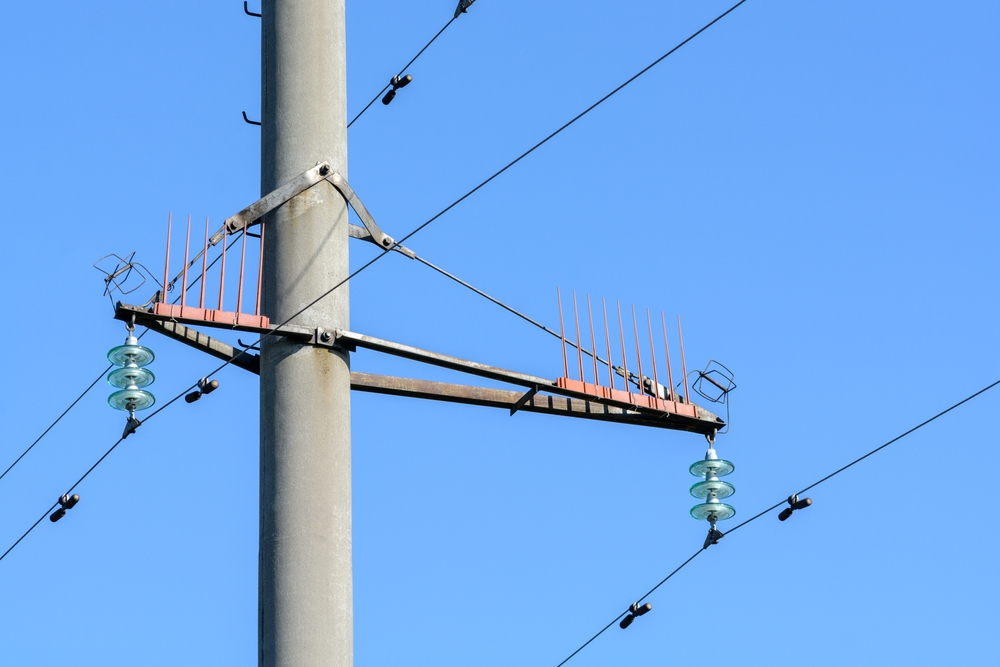
The versatility and efficiency of HVDC transmission have led to its widespread adoption across various applications within the energy sector. Some notable applications include:
Renewable Energy Integration
HVDC transmission is crucial in integrating renewable energy sources, such as solar and wind, into the grid. By connecting remote renewable energy sites to population centers, HVDC facilitates the efficient utilization of clean energy resources and reduces reliance on fossil fuels. HVDC transmission enables the seamless integration of fluctuating renewable energy output into the grid, improving grid reliability and resilience.
Cross-Border Power Exchange
HVDC interconnectors enable cross-border power exchange between neighboring countries, fostering energy cooperation and resource optimization. These interconnections facilitate the transfer of surplus energy between regions with varying demand profiles, contributing to grid stability and energy security. HVDC interconnectors also provide access to diverse energy markets, promoting economic efficiency and energy market integration.
Urban Power Distribution
In densely populated urban areas, HVDC transmission offers a compact and efficient solution for power distribution. HVDC systems can be deployed in underground and submarine configurations, reducing space requirements and minimizing environmental impact. The reliable and stable operation of HVDC systems makes them well-suited for urban environments where grid reliability and efficiency are paramount.
Future Trends and Innovations
As technology evolves, so does High Voltage Direct Current (HVDC) transmission. Innovations in HVDC technology are poised to enhance further the efficiency, reliability, and versatility of power delivery systems. Here are some future trends and innovations shaping the future of HVDC transmission:
Voltage Source Converters (VSC)
- VSC-based HVDC technology is gaining prominence due to its enhanced controllability and modularity.
- These converters offer improved fault tolerance, increased efficiency, and greater grid compatibility, driving the evolution of HVDC transmission systems.
Grid-Scale Energy Storage Integration
- Integrating grid-scale energy storage with HVDC systems promises to enhance grid flexibility and stability.
- By storing excess energy during off-peak periods and releasing it during high-demand intervals, energy storage complements HVDC transmission, optimizing grid performance and reliability.
Digitalization and Smart Grid Integration
- The convergence of HVDC transmission with digitalization and smart grid technologies reshapes the energy landscape.
- Advanced monitoring, control, and optimization algorithms enable real-time grid management, predictive maintenance, and adaptive response to changing demand patterns.
Conclusion
FAQs
How does HVDC transmission compare to AC transmission?
HVDC transmission offers distinct advantages over AC transmission, particularly in long-distance power transfer. Unlike AC, which experiences significant line losses over extended distances, HVDC maintains lower losses due to its constant polarity. Additionally, HVDC systems are better suited for interconnecting asynchronous grids and transmitting power over submarine cables. While AC transmission remains efficient for shorter distances within synchronized grids, HVDC technology shines in scenarios requiring efficient long-distance power transmission.
What are the environmental benefits of HVDC transmission?
HVDC transmission is pivotal in advancing environmental sustainability within the energy sector. By integrating renewable energy sources into the grid, HVDC helps reduce reliance on fossil fuels and mitigates greenhouse gas emissions. Furthermore, HVDC systems boast higher efficiency and lower losses than traditional AC transmission, contributing to energy conservation. Additionally, the compact footprint of HVDC infrastructure minimizes environmental impact, making it suitable for urban and environmentally sensitive areas.
How scalable is HVDC transmission technology?
HVDC transmission technology exhibits remarkable scalability, accommodating various applications from small-scale urban distribution to large-scale intercontinental transmission projects. Advances in converter technology, grid integration methods, and materials science continue to expand the scalability and versatility of HVDC systems. Moreover, the modular design of HVDC components allows for flexible deployment and incremental expansion to meet evolving energy demands. Whether catering to urban power distribution or facilitating cross-border energy exchange, HVDC transmission remains adaptable to diverse project requirements and future advancements in the energy sector.