How Transformers Work in Power Systems: A Complete Guide
When you think about how electricity reaches your home or workplace, you might not immediately consider the critical role of transformers in power systems. They efficiently alter voltage levels, making long-distance electricity transmission feasible and safe. Transformers guarantee a stable electricity supply by converting high voltage from power plants to lower levels suitable for everyday use. But what exactly happens inside these devices? How do the primary and secondary coils interact, and why does their turn ratio matter so much? Let’s explore this fascinating process to understand how transformers underpin our modern electrical infrastructure.
Key Takeaways
- Voltage Transformation: Transformers step up or down voltage levels for efficient transmission and safe distribution of electricity.
- Electromagnetic Induction: They operate through electromagnetic induction, transferring energy between primary and secondary coils using magnetic fields.
- Efficiency Optimization: Advanced materials and design minimize copper, core, and stray losses, enhancing transformer efficiency.
- Cooling Systems: Effective cooling methods, like oil or air chilling, prevent overheating and maintain transformer performance.
- Voltage Regulation: Transformers ensure a stable voltage supply, protect electrical devices, and maintain reliable power distribution.
Transformer Basics
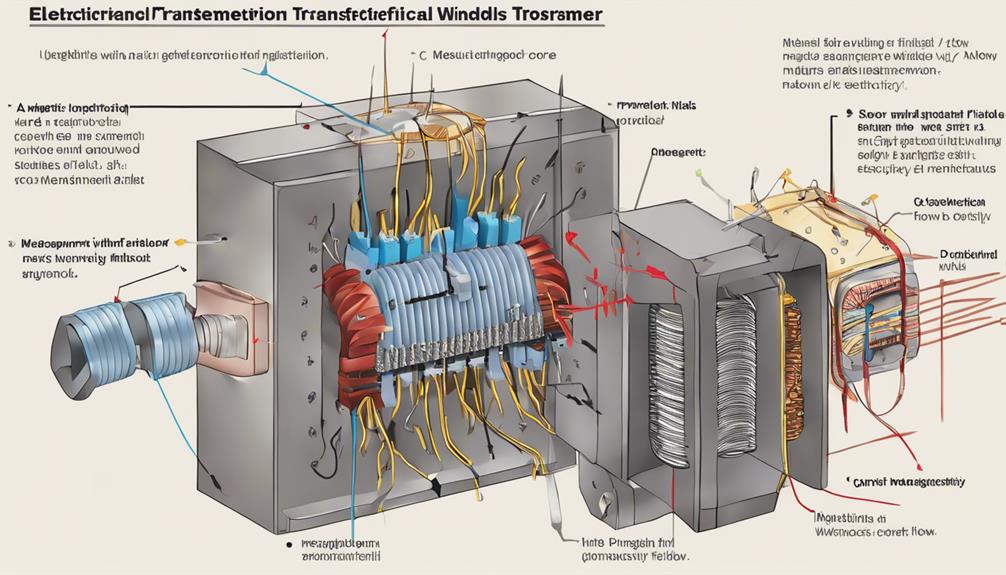
Transformers are essential components in power systems, designed to alter input voltage to different output levels for efficient electricity distribution. They’re crucial for ensuring electricity can be used safely and effectively across various applications. At the heart of a transformer, you’ll find two main coils: the primary and secondary coils.
When electrical energy flows through the primary coil, it creates a magnetic field. This magnetic field then induces a voltage in the secondary coil. The number of turns in each coil determines whether the transformer increases (steps up) or decreases (steps down) the voltage.
By adjusting voltage levels, transformers enable power transmission over long distances with minimal energy loss. High voltage is used for long-distance transmission because it reduces energy loss, while lower voltage is more suitable for residential and commercial use.
Understanding how a transformer works is essential for optimizing energy efficiency and maintaining electrical safety within power systems. Transformers play a crucial role in ensuring the stability and reliability of the electrical grid by effectively managing voltage levels.
Types of Transformers
Various types of transformers cater to specific needs and applications in power systems. Power transformers are necessary in power plants and substations to transfer electrical energy efficiently. They utilize mutual induction between the primary coil and secondary windings to either increase the voltage with step-up transformers or decrease it with step-down transformers.
Distribution transformers are essential for power distribution to homes, businesses, and industries. They guarantee that the voltage is safe and usable for everyday applications. These transformers, positioned closer to end-users, play a crucial role in the final power distribution stage.
Traction transformers are another specialized type designed specifically for trains. They operate at lower frequencies than other transformer types and are important for the railway system’s smooth operation.
Instrument transformers, including potential and current transformers, safely measure high voltage and current levels. They’re indispensable for monitoring and protecting power systems.
There are also specialized transformers, such as pulse transformers, radio frequency (RF) transformers, intermediate frequency (IF) transformers, and audio transformers, each serving unique applications across various fields. Each type of transformer guarantees the efficient and safe transfer of electrical energy in its specific context.
Working Principle

The fundamental working principle of transformers lies in electromagnetic induction, a process that efficiently converts voltage levels through magnetic fields. When you use a transformer, electrical energy is transferred between the primary and secondary coils through a magnetic core. This core ensures the magnetic flux effectively links both coils, facilitating voltage transformation.
In a transformer, the ratio of turns in the primary and secondary coils directly determines the voltage transformation. This means the voltage is lowered if the primary coil has more turns than the secondary coil and vice versa. Transformers operate with alternating current (AC) because the changing magnetic field is essential for inducing voltage in the secondary coil.
To achieve high efficiency in power systems, transformers are designed to minimize losses, such as copper losses (resistance in the windings) and iron losses (hysteresis and eddy currents in the core).
Here’s a summary of the key aspects:
- Magnetic core: Links the coils and facilitates magnetic flux.
- Electromagnetic induction: Basis for voltage conversion.
- Primary and secondary coils: Determine the voltage transformation ratio.
- Alternating current (AC): Necessary for inducing voltage.
- Efficiency and losses: Critical for best performance in power systems.
Key Components
When you look at transformers in power systems, you’ll find that coils and a magnetic core are central to efficient energy transfer. Bushings and switches are important in ensuring safe electricity passage and reliable maintenance. Understanding these key components is essential for maintaining stable power transmission.
Coils and Magnetic Core
Imagine you’re disassembling a transformer to understand its core components. At the heart of it, you’ll find coils and a magnetic core. These elements are essential for energy transfer and efficiency in voltage transformation.
The primary coil receives the electrical input, creating a magnetic field within the magnetic core. This field is crucial because it induces a current in the secondary coil, allowing for voltage transformation.
The magnetic core plays a significant role in enhancing energy transfer efficiency between the primary and secondary coils. Without it, the energy loss would be substantial, and the transformer wouldn’t function effectively. Here are the key elements you’d find:
- Primary Coil: This coil receives the input voltage and generates the magnetic field.
- Secondary Coil: This coil picks up the induced current and transforms the voltage.
- Magnetic Core: Enhances efficiency energy transfer efficiency by concentrating the magnetic field.
- Insulation: Guarantees that the coils are electrically isolated to prevent short circuits.
- Windings: How the coils are wrapped affects the transformer’s efficiency, and understanding these components helps you know how transformers efficiently manage voltage transformation in power systems.
Bushings and Switches
While exploring the essential components of a transformer, you’ll encounter bushings and switches that secure its safe and efficient operation.
Bushings are insulating structures that allow electrical conductors to pass through the transformer tank safely. Without these bushings, the high-voltage connections in and out of the transformer would pose significant safety risks and operational inefficiencies.
Switches, particularly load break switches, are necessary for disconnecting the transformer from the power grid. They enable safe operation by allowing maintenance tasks without risking electrical hazards. Load break switches are designed to handle the load current, making the disconnection process smooth and secure.
The design and placement of these bushings and switches are important considerations during transformer installation and maintenance. Properly installed bushings ensure that electrical conductors are insulated from the transformer tank, preventing potential faults and ensuring reliable performance. Similarly, well-placed switches facilitate easy access for maintenance, reducing downtime and enhancing overall efficiency.
Routine maintenance of bushings and switches is essential. Regular inspections and timely replacements help prevent electrical faults and ensure the transformer operates reliably. By focusing on these key components, you can maintain your power systems’ safe and efficient function.
Voltage Regulation
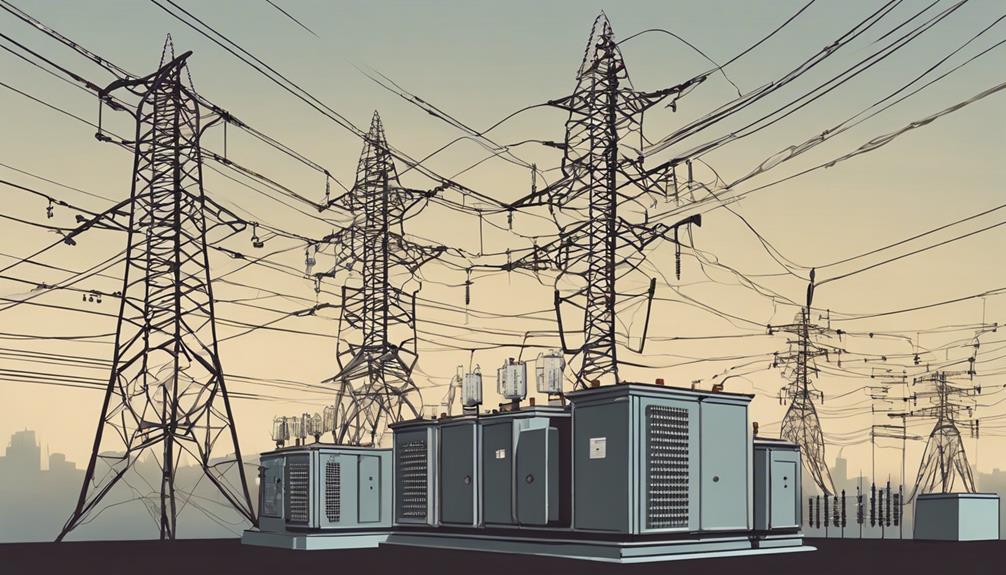
Transformers are essential for voltage regulation in power systems, guaranteeing a stable and consistent electricity supply. They adjust voltage levels to maintain steady operation and prevent damage to electrical devices. Without proper voltage regulation, power systems would face challenges with fluctuations that could result in inefficiencies or even failures in electrical distribution.
Transformers play an important role in controlling these voltage fluctuations by meeting required voltage standards. This is necessary for the safe and effective operation of various electrical devices. By regulating voltage, transformers help balance the power supply, enhance system reliability, and minimize electrical disturbances.
Consider the following key points about voltage regulation through transformers:
- Consistency: Assures a consistent electricity supply, preventing spikes and drops in voltage.
- Protection: Safeguards electrical devices from damage due to incorrect voltage levels.
- Efficiency: Optimizes the performance of electrical systems by maintaining the appropriate voltage.
- Reliability: Enhances the overall reliability of power systems, reducing the risk of outages.
- Distribution: Supports stable electrical distribution across different regions and applications.
Losses and Efficiency
When you look at transformer efficiency, it’s important to understand the types of energy losses.
Copper losses come from the resistance in the coils, while core losses include hysteresis and eddy current losses.
Stray losses add to the inefficiency, so improving efficiency helps minimize these losses and guarantees effective energy transfer in power systems.
Types of Transformer Losses
Transformer losses are a critical factor that can impact the overall efficiency of power systems. When working with transformers, you deal with three main types of losses: copper, core, and stray losses. Understanding these losses is essential for optimizing transformer efficiency.
- Copper losses occur due to the electrical resistance in the transformer windings, which generates heat. The more current flows, the higher the copper losses, directly affecting transformer efficiency.
- Core losses: Resulting from hysteresis and eddy currents within the transformer core material. Hysteresis losses happen due to the repeated magnetization and demagnetization of the core, while eddy currents are induced currents in the core that create additional heat.
- Stray losses: These are caused by magnetic flux leakage and eddy currents outside the core. Magnetic flux leakage happens when some magnetic field lines escape the core, causing inefficiencies.
- Hysteresis: Hysteresis losses are part of core losses and depend on the type of core material and its magnetic properties.
- Eddy currents are loops of electric current induced within the core that contribute to heat and energy loss.
Improving Transformer Efficiency
While transformer losses like copper, core, and stray losses impact efficiency, there are ways to mitigate these issues and improve performance. To boost efficiency, you need to address energy losses at their sources.
Core losses, for example, can be reduced by using advanced materials such as high-permeability silicon steel, which minimizes energy wasted in the magnetization process. Additionally, tackling winding resistance is essential. Utilizing lower resistance conductors or better winding techniques can reduce copper losses.
Improved transformer design and magnetic shields can minimize stray losses, which occur due to leakage flux. These techniques guarantee that the magnetic field is more effectively contained within the core, reducing unwanted energy dissipation.
Another vital factor is the implementation of efficient cooling systems. These systems dissipate the heat generated by energy losses, maintaining peak operating temperatures and thus enhancing overall efficiency. By integrating advanced materials and superior cooling mechanisms, you can notably enhance transformers’ performance. Methods.
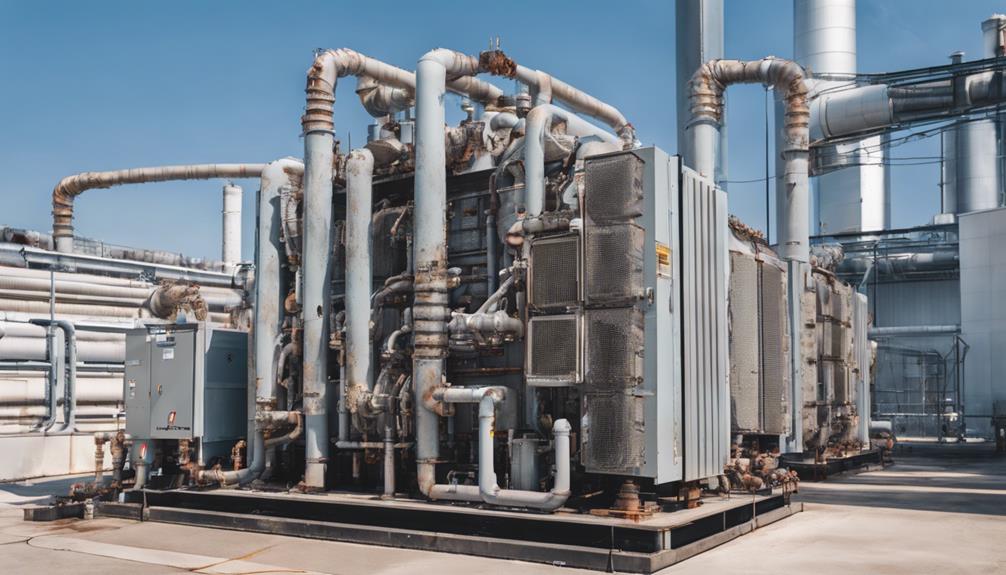
Cooling methods are necessary for transformers to operate efficiently and avoid overheating. When dealing with transformer cooling methods, you’ll come across oil-soaked, air-chilled, and liquid-soaked systems. Each technique is designed to dissipate heat effectively and regulate temperature, promoting efficient performance.
Oil-soaked transformers use oil as both a coolant and an insulating medium. This helps to regulate temperature during operation. The oil absorbs the heat generated and transfers it from the transformer components.
Air-chilled transformers dissipate heat through natural or forced air circulation. This method maintains peak operating temperatures without the need for liquid coolants.
On the other hand, liquid-soaked transformers use coolants like mineral oil or synthetic fluids to transfer heat away from the internal components.
Here are some key points about these cooling methods:
- Oil-soaked systems: Use oil as a coolant and insulator.
- Air-chilled systems: Depend on air circulation, either natural or forced.
- Liquid-soaked systems: Utilize coolants such as mineral oil or synthetic fluids.
- Heat dissipation: Vital for preventing overheating in transformers.
- Temperature regulation: Promotes efficient performance and longevity.
Safety Tips
Always adhere to ISO 9001 safety standards when handling transformers and use the proper protective gear. Regular maintenance checks are essential for spotting potential risks before they escalate into serious issues.
Also, familiarize yourself with emergency protocols to guarantee everyone’s safety if something goes wrong.
Proper Handling Techniques
Handling transformers in power systems requires strict adherence to safety protocols to prevent accidents and maintain a safe working environment. Proper handling techniques are essential, given the magnetic properties and complex transformer design. Always wear the appropriate protective gear, such as gloves and safety goggles, to minimize risks.
Ground transformers to prevent static electricity buildup and guarantee safe electrical contact. Disconnect the current input before transformer maintenance to avoid electrical hazards.
Here are some vital safety measures to follow:
- Wear protective gear: Gloves, safety goggles, and other equipment are essential.
- Ground transformers: This prevents static electricity buildup and ensures safety.
- Disconnect power: Always cut off current input before any maintenance work.
- Pre-installation inspection: Follow ISO 9001 requirements to guarantee proper setup and safety.
- Regular checks: Maintain transformers regularly to prevent faults and guarantee efficiency.
Adhering to these safety measures keeps you safe and prolongs the transformer’s lifespan. Considering the transformer’s magnetic properties and design, proper handling techniques are essential for effectively maintaining transformers. Grounding and protective gear can make a significant difference in preventing accidents.
Regular Maintenance Checks
Regular maintenance checks are vital for maintaining the safe and efficient operation of transformers in power systems. It would be best to inspect transformers regularly for signs of wear, leaks, or damage. Doing so will prevent potential hazards and keep the system running smoothly.
Conduct routine oil and insulation testing to uphold the transformer’s reliability. These tests help you spot any issues early, allowing for timely repairs and avoiding costly downtime. Always follow the manufacturer guidelines for these maintenance activities to ensure peak performance.
It’s important to keep a detailed record of all maintenance activities. This documentation helps you track the transformer’s condition and provides valuable insights into any recurring problems.
Emergency Protocols Overview
While regular maintenance checks maintain transformers in good working order, it’s equally important to be prepared for emergencies. Knowing the appropriate emergency protocols can make a significant difference in such situations. Immediate action helps minimize risks to personnel and prevent further damage to the electrical system.
First, always isolate the transformer. This involves using load break switches, fuses, or other safety devices to cut off power. Next, secure the area to ensure that no unauthorized personnel are at risk. It’s essential to contact qualified personnel immediately. Their expertise is necessary to handle the situation safely and efficiently.
During an emergency, follow these safety measures:
- Wear appropriate protective gear to minimize the risk of electrical shocks or burns.
- Adhere to established procedures to prevent accidents and guarantee a smooth process.
- Perform rapid response actions to address the issue swiftly and avoid escalating the situation.
Execute emergency shutdown procedures promptly to disconnect power and stabilize the system.
Undergo regular training on emergency protocols to stay prepared and confident in handling incidents.
Practical Applications
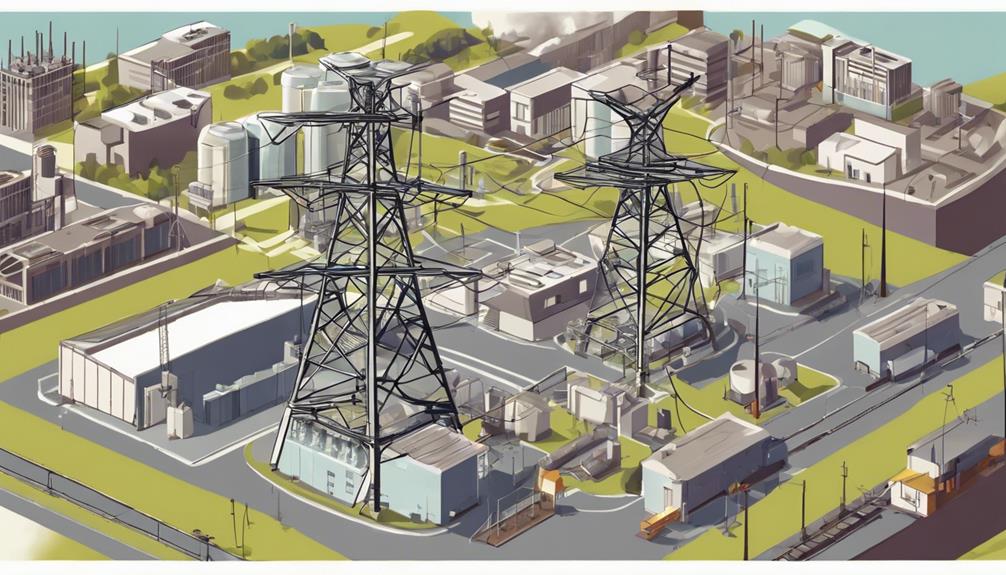
Transformers’ significance in power systems can’t be overstated. They play a pivotal role by converting electrical energy efficiently. Transformers are often used to step up or down voltages, guaranteeing electricity can be transmitted over long distances with minimal loss.
The process begins with the primary winding, which receives energy from one circuit. This energy induces an electric current in the iron core, transferring it to the secondary winding and bringing the dry voltage to the desired level. This means transformers can take high-voltage electricity from power plants and convert it to a safer, usable form for homes and businesses.
Transformers are essential in practical applications. They ensure that the electricity reaching your home or office is at a safe, usable voltage. Without them, the high-voltage electricity used for efficient transmission would be hazardous.
They’re also vital in industries, powering electric motors, lighting systems, and various electronic appliances. Instrument transformers, another type, measure high voltage and current for monitoring, guaranteeing the safety and efficiency of power systems. Their versatility and reliability make them a cornerstone of modern electrical infrastructure, demonstrating their crucial role in everyday life.
Innovations and Trends
Innovations in transformer technology are revolutionizing the power systems landscape. You’re witnessing the emergence of solid-state transformers, which offer higher efficiency and improved performance over traditional models. This shift isn’t just about efficiency; it’s about reshaping how power systems operate.
Smart transformers are leading this change, enhancing grid flexibility and enabling cleaner energy distribution. Integrating advanced materials like amorphous metals in transformer cores significantly reduces energy losses, boosting overall efficiency.
Digital monitoring and control systems are now standard, providing real-time performance analysis and predictive maintenance. This means you can anticipate issues before they escalate, ensuring a more reliable power supply.
The trend towards grid modernization accelerates the adoption of these smart grid technologies, paving the way for innovative transformer design and function solutions.
Here’s a snapshot of key innovations:
- Solid-state transformers: Offering enhanced efficiency and improved performance.
- Smart transformers: Enhancing grid flexibility and cleaner energy distribution.
- Amorphous metals: Used in cores to diminish energy losses.
- Digital monitoring: Real-time analysis and predictive maintenance.
- Grid modernization: Driving the adoption of innovative transformer solutions.
These advancements are transformer systems, leading to a more efficient and resilient energy infrastructure.
Conclusion
You’ve now got a solid understanding of how transformers work in power systems. They efficiently adjust voltage levels, ensuring stable electricity distribution. You can appreciate their critical role by knowing their types, working principles, key components, and cooling methods. Remember the safety tips when dealing with transformers. They’re essential in homes, businesses, and industries, and ongoing innovations promise even greater efficiency and reliability in the future. Keep exploring this fascinating technology!
FAQs
What is the function of a transformer in a power system?
A transformer in a power system is designed to convert electrical voltage from one level to another while maintaining the same frequency. This allows electricity to be efficiently transmitted over long distances at high voltages, reducing energy loss and decreasing safe use in homes and businesses.
Key Functions:
- Steps up voltage for efficient transmission.
- Steps down voltage for safe distribution and usage.
- Maintains the same electrical frequency.
How do transformers step up and step down the voltage?
Transformers work based on the principle of electromagnetic induction. They consist of two coils of wire, known as the primary and secondary windings, wrapped around a magnetic core.
- Step-Up Transformers: In a step-up transformer, the secondary winding has more turns than the primary winding, increasing the voltage output relative to the input. This is used at the power generation stage to raise voltage levels for transmission.
- Step-Down Transformers: In a step-down transformer, the secondary winding has fewer turns than the primary winding, reducing the voltage output for safe distribution in homes and businesses.
Voltage Conversion:
- Step-up transformers: Increase voltage for transmission.
- Step-down transformers: Decrease voltage for distribution.
Why are high voltages used in power transmission?
High voltages are used in power transmission to minimize energy loss due to transmission line resistance. When the voltage increases, the current decreases for the same amount of power, significantly reducing I²R losses (where I is current and R is resistance). This allows electricity to be transmitted over long distances more efficiently.
Key Benefit:
- High voltages reduce energy loss during transmission.
How does a transformer maintain efficiency in a power system?
Transformers are highly efficient devices, with typical efficiency rates around 95-99%. This efficiency is achieved by:
- Using High-Quality Materials: The transformer’s magnetic core is made of highly absorbent materials that reduce energy losses through hysteresis and eddy currents.
- Minimizing Resistance: The windings are made from low-resistance materials like copper or aluminum, reducing energy loss due to resistance.
- Cooling Systems: Larger transformers are equipped with cooling systems, such as oil or air cooling, to dissipate heat and maintain optimal performance.
Efficiency Factors:
- High-quality magnetic core materials.
- Low-resistance windings.
- Cooling systems to prevent overheating.
What are the types of transformers used in power systems?
There are several types of transformers used in power systems, each serving specific functions:
- Power Transformers are used in transmission networks to step up or down voltage between power plants and distribution networks.
- Distribution Transformers: Step down the voltage for end-user applications, typically located closer to residential or commercial areas.
- Isolation Transformers: Used to decouple two circuits and provide electrical isolation, ensuring safety and reducing noise in sensitive equipment.
- Autotransformers: A type of transformer that shares windings between the primary and secondary sides, typically used for small voltage changes.
Types of Transformers:
- Power transformers: For high voltage transmission.
- Distribution transformers: These are used for stepping down voltage for consumer use.
- Isolation transformers: For electrical isolation and safety.
- Autotransformers: For small voltage adjustments.
How does a transformer contribute to power system stability?
Transformers contribute to the overall stability of a power system by:
- Maintaining Voltage Levels: They ensure that the voltage supplied to consumers is stable and within the required range, even over long distances.
- Protecting the Grid: Transformers help protect the power grid from overloading and short circuits by adjusting voltage levels and isolating grid sections when faults occur.
- Facilitating Grid Interconnections: Transformers allow power systems operating at different voltage levels to interconnect, improving grid reliability and flexibility.
Stability Contributions:
- Maintain stable voltage levels.
- Protect the grid from overloading.
- Facilitate interconnections between different voltage levels.