Gunn Diodes: Navigating the Marvels of Microwave Technology
In the realm of semiconductor devices, the Gunn diode is a fascinating piece of technology that has significantly impacted the world of electronics. In this comprehensive guide, we will delve into the intricacies of Gunn diodes, exploring their principles, applications, and potential future developments.
What is a Gunn Diode?
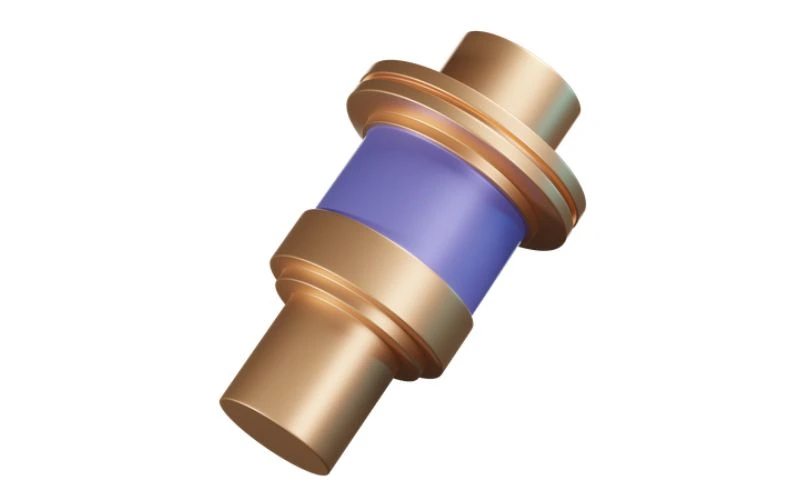
A Gunn diode is a semiconductor device that operates on the principle of the Gunn effect. Named after physicist J.B. Gunn, who discovered this effect in the early 1960s, the Gunn diode is unique due to its negative differential resistance, making it a key component in microwave signal generation.
Gunn Effect
The Gunn effect, also known as the transferred electron effect, is the fundamental mechanism that propels the operation of Gunn diodes. It involves the movement of electrons through a semiconductor material with high electron mobility, such as gallium arsenide (GaAs).
Construction of Gunn Diode
The construction of a Gunn diode involves a carefully designed semiconductor structure. Typically made of materials like GaAs, the diode is fashioned to facilitate the Gunn effect. The semiconductor structure includes a region with high electron mobility, allowing for the efficient transfer of electrons.
Demystifying the Working of Gunn Diode
The operation of a Gunn diode is a nuanced interplay of semiconductor physics and electrical engineering. Understanding its intricacies is crucial for grasping its significance in electronic circuits.
Negative Differential Resistance (NDR)
Central to the working of Gunn diodes is the phenomenon of negative differential resistance. Unlike traditional diodes, when a voltage is applied across a Gunn diode, the current decreases as voltage increases, creating a distinctive negative resistance region. This unique characteristic results from the Gunn effect, where electrons traverse a semiconductor material, reducing electron velocity.
Microwave Oscillation Generation
The negative differential resistance region facilitates the generation of stable microwave oscillations. As the voltage across the diode increases, the decrease in current triggers a periodic voltage waveform. This oscillation is harnessed for various applications, making Gunn diodes valuable in microwave technology.
Band-to-Band Tunneling
Another crucial aspect of Gunn diodes’ workings is the phenomenon of band-to-band tunneling. Electrons in the high electron mobility region experience an energy reduction, creating electron-hole pairs. This process contributes to the overall negative differential resistance and aids in sustaining the microwave oscillations.
Characteristics of Gunn Diode

Understanding the characteristics of Gunn diodes is crucial for their successful integration into electronic circuits.
- Frequency Range: Gunn diodes operate in the microwave frequency range, making them suitable for various communication and radar applications.
- Reliability: Due to their simple construction and solid-state nature, Gunn diodes are known for their reliability in generating continuous microwave signals.
Advantages of Gunn Diode
- Compact Size: Gunn diodes are compact, making them suitable for applications where space is a critical factor.
- High Frequency Operation: Gunn diodes can operate at high frequencies, making them ideal for generating microwave signals in communication systems.
- Low Power Consumption: These diodes exhibit low power consumption, contributing to energy-efficient electronic devices.
Disadvantages of Gunn Diode
- Limited Power Output: Gunn diodes have a limited power output, restricting their use in high-power applications.
- Temperature Sensitivity: Temperature variations can affect the performance of Gunn diodes, requiring careful temperature control in certain applications.
- Narrow Operating Frequency Range: While Gunn diodes excel in microwave frequencies, their operating range is relatively narrow compared to other semiconductor devices.
Applications of Gunn Diodes
Gunn diodes find applications in diverse fields owing to their unique characteristics and capabilities.
- Microwave Signal Generation: Gunn diodes are primarily used to generate microwave signals, which are essential for various communication systems and radar technology.
- Radar Systems: Gunn diodes play a crucial role in radar systems, providing stable microwave signals for object detection and tracking.
- Terahertz Imaging: Gunn diodes have found applications in terahertz imaging, contributing to advancements in medical imaging, security screening, and material characterization.
Advancements and Future Prospects
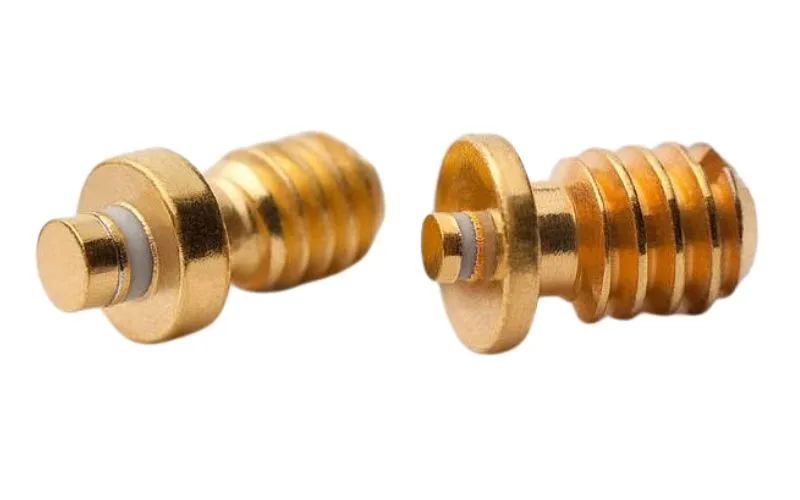
Ongoing research focuses on exploring new semiconductor materials for Gunn diodes, aiming to enhance their performance and extend their operating frequencies. Silicon-based Gunn diodes are being investigated to improve compatibility with existing silicon-based electronics.
With the advent of 5G technology, the demand for high-frequency components has surged. Gunn diodes are being considered for integration into 5G communication systems, providing stable and efficient microwave signal generation for next-generation networks. Additionally, the utilization of terahertz frequencies for communication is gaining traction, and Gunn diodes are poised to play a pivotal role in developing terahertz communication systems.
Conclusion
In conclusion, the Gunn diode is a remarkable semiconductor device with a rich history and promising future. Its unique operating principle, negative differential resistance, and applications in microwave technology make it a key player in electronics. As technology continues to evolve, so will the role and capabilities of Gunn diodes, contributing to advancements in communication, imaging, and beyond.
Related Article
The Power Diode: Understanding its Significance in Electronics
FAQs
What is a Gunn diode?
A Gunn diode is a semiconductor device that generates microwave frequency signals. Unlike typical diodes, it doesn’t have a p-n junction. Instead, it uses the Gunn effect to produce high-frequency oscillations when a voltage is applied, making it useful in microwave applications like radar systems and oscillators.
Key Points:
- Semiconductor device without a p-n junction.
- Generates high-frequency microwave signals.
- It uses the Gunn effect to create oscillations.
How does a Gunn diode work?
The Gunn diode operates on the Gunn effect, where electrons moving through certain materials (like Gallium Arsenide or Indium Phosphide) create a negative differential resistance. When a voltage is applied, this effect causes the diode to oscillate at microwave frequencies. The oscillations occur due to the movement of electron domains within the semiconductor material.
Working Principle:
- Uses the Gunn effect (negative differential resistance).
- Electrons form high-field domains that generate oscillations.
- Oscillates at microwave frequencies under applied voltage.
What are the applications of Gun diodes?
Gunn diodes are widely used in microwave and RF applications due to their ability to generate high-frequency signals. Some common uses include:
- Oscillators: Gunn diodes generate microwave frequencies in oscillators used in radar systems, communication equipment, and sensors.
- Microwave Transmitters: They are often found in microwave transmitters, including those used in speed detection and satellite communication.
- Local Oscillators in Receivers: Gunn diodes are used in local oscillators within microwave receivers, including those in radio telescopes and RF mixers.
Applications:
- Oscillators for radar and communication systems.
- Microwave transmitters for speed detectors and satellites.
- Local oscillators in microwave receivers.
What materials are used in Gunn diodes?
Gunn diodes are typically made from materials that exhibit negative differential resistance, such as:
- Gallium Arsenide (GaAs): A common material used in Gunn diodes due to its high electron mobility and suitability for high-frequency applications.
- Indium Phosphide (InP) is used for higher-frequency applications requiring faster electron movement.
Materials:
- Gallium Arsenide (GaAs) for most applications.
- Indium Phosphide (InP) for high-frequency performance.
What are the advantages of Gun diodes?
Gunn diodes offer several advantages in high-frequency applications:
- High-Frequency Generation: They can generate microwave signals in the GHz range, making them suitable for radar and communication systems.
- No P-N Junction: Unlike conventional diodes, Gunn diodes do not require a P-n junction, simplifying their construction and enhancing reliability.
- Compact and Cost-Effective: Gunn diodes are relatively simple and compact, making them ideal for small electronic devices requiring microwave signal generation.
Advantages:
- Excellent for high-frequency (GHz) signal generation.
- Simplified structure without a p-n junction.
- Compact and suitable for cost-sensitive applications.