Dry Type Transformer: Revolutionizing Power Distribution
Dry-type transformers have become an integral part of modern power distribution systems, revolutionizing how electricity is transmitted and distributed. With their advanced technology and numerous advantages, these transformers have emerged as a preferred choice for various applications in industries, commercial buildings, and residential settings. In this article, we will explore the world of dry-type transformers, exploring their functionality, benefits, and significance in electrical power.
The term “dry-type transformer” refers to a transformer that does not require any liquid or oil for cooling and insulation. Instead, these transformers use air as the cooling medium, making them safer, more environmentally friendly, and easier to maintain than their oil-filled counterparts. This innovative design eliminates the risk of oil leaks and spills, ensuring a higher level of safety and reducing the impact on the environment.
One of the key benefits of dry-type transformers is their versatility. They can be used in various applications, from small residential units to large industrial complexes. Their compact size and lightweight construction make them easy to install and transport, while their superior insulation properties ensure efficient and reliable operation. Furthermore, dry-type transformers are known for their excellent thermal performance, allowing them to withstand high temperatures without compromising functionality.
In addition to their practical advantages, dry-type transformers offer significant cost savings over time. Their maintenance requirements are minimal, resulting in lower operating costs and reduced downtime. Furthermore, their long lifespan and high efficiency contribute to energy savings, making them a sustainable and economically viable choice.
As we delve deeper into dry-type transformers, we will explore their various types, applications, and the latest advancements in their design and technology. Join us on this journey to discover how dry-type transformers are shaping the future of power distribution, providing efficient and reliable electricity to meet the ever-growing demands of our modern world.
What Are the Advantages of Dry-Type Transformers?
Dry-type transformers are a popular choice in various electrical applications due to their numerous advantages. These transformers use insulation systems that do not rely on liquid or oil for cooling, making them safer and more environmentally friendly. Let’s explore some of the key advantages of dry-type transformers.
One of the main benefits of dry-type transformers is their enhanced safety. Since they don’t require flammable liquids for cooling, the risk of fire or explosions is significantly reduced. This makes them ideal for installations in sensitive areas such as hospitals, schools, and commercial buildings.
Additionally, dry-type transformers are highly efficient. They have low energy losses, meaning less energy is wasted during the transformation process. This not only helps reduce electricity consumption but also lowers operating costs over the transformer’s lifespan.
Another advantage is their compact and lightweight design. Unlike oil-filled transformers, dry-type transformers are smaller and easier to transport and install. This makes them suitable for applications where space is limited or where mobility is required.
Furthermore, dry-type transformers are virtually maintenance-free. Unlike oil-filled transformers that require regular oil testing and replacement, dry-type transformers eliminate the need for such maintenance tasks. This results in reduced downtime and increased reliability.
Lastly, dry-type transformers are environmentally friendly. As they don’t contain oil or other hazardous substances, there is no risk of soil or water contamination in case of a leak or failure. This makes them a sustainable choice for green building projects.
In conclusion, dry-type transformers offer several advantages, including enhanced safety, high efficiency, compact design, low maintenance requirements, and environmental friendliness. These features make them a reliable and sustainable solution for various electrical applications.
How Do Dry Type Transformers Work?
Dry-type transformers are an essential component of electrical systems, providing a safe and efficient way to distribute power. These transformers are commonly used in commercial buildings, hospitals, and industrial facilities due to their numerous advantages. They are understanding how dry-type transformers work can help us appreciate their importance in our everyday lives.
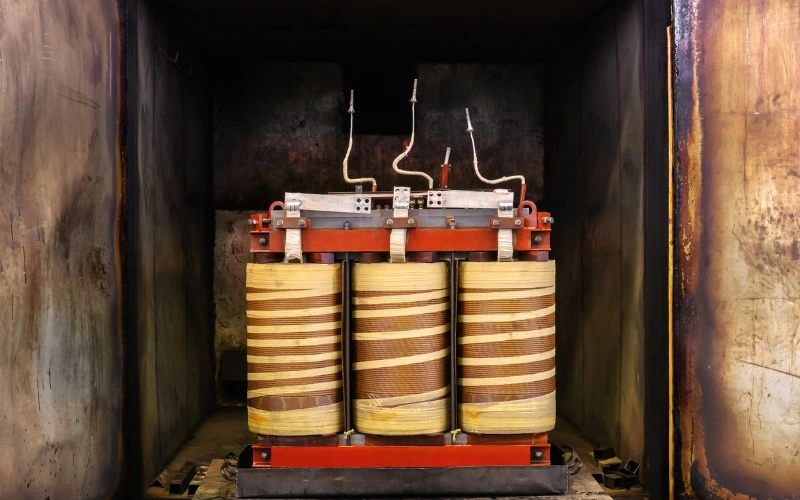
At its core, a dry-type transformer consists of two separate windings, the primary and secondary, wound around a laminated iron core. The primary winding is connected to the power source, while the secondary winding is connected to the load. The primary winding creates a magnetic field when an alternating current (AC) passes through it. This magnetic field induces a voltage in the secondary winding, allowing power to be transferred from the primary to the secondary circuit.
One of the key features of dry-type transformers is the absence of any liquid or oil for cooling purposes. Instead, they rely on a combination of air circulation and insulation to dissipate heat. The windings are typically encapsulated in a resin or varnish, providing insulation and protection against moisture and contaminants. This insulation allows the transformer to operate safely without fire or leakage.
Dry-type transformers are known for their reliability and durability. They require minimal maintenance compared to their oil-filled counterparts, making them a cost-effective choice for many applications. Additionally, their compact and lightweight design makes installation and transportation easier.
In conclusion, dry-type transformers play a crucial role in electrical systems by efficiently transferring power from the primary to the secondary circuit. Their insulation and cooling methods make them a safe and reliable choice for various applications. Understanding the inner workings of these transformers helps us appreciate their importance in our daily lives.
What Are the Applications of Dry-Type Transformers?
Dry-type transformers are versatile electrical devices with applications in various industries and settings. These transformers provide a safe and efficient solution for power distribution and are widely used in both commercial and industrial sectors.
One of the primary applications of dry-type transformers is in commercial buildings. These transformers are commonly installed in office buildings, shopping malls, and hotels to ensure a reliable power supply for lighting, air conditioning, and other electrical equipment. Their compact size and ability to operate silently make them an ideal choice for such applications.
In industrial settings, dry-type transformers are used for various purposes. They are often employed in manufacturing plants, providing power to machinery and equipment. These transformers are designed to handle high loads and withstand harsh environmental conditions, making them suitable for heavy-duty industrial applications.
Dry-type transformers are also commonly used in renewable energy systems. As the world increasingly shifts towards sustainable energy sources, dry-type transformers connect renewable energy sources, such as solar and wind power, to the electrical grid. These transformers ensure efficient power transmission and distribution, enabling the integration of renewable energy into the existing infrastructure.
Another important application of dry-type transformers is in data centers. These transformers provide a clean and stable power supply to critical equipment, such as servers and networking devices. The ability of dry-type transformers to operate without oil eliminates the fire risk, making them a safer option for data center environments.
In conclusion, dry-type transformers have many applications in commercial, industrial, renewable energy, and data center settings. Their versatility, efficiency, and safety features make them an essential component of modern electrical systems.
What Are the Disadvantages of Dry-Type Transformers?
Dry-type transformers, despite their numerous advantages, also come with a few disadvantages that are worth considering. Understanding these drawbacks is essential for making informed decisions regarding transformer selection. In this article, we will explore some of the key disadvantages associated with dry-type transformers.
One of the main drawbacks of dry-type transformers is their limited power capacity. Unlike oil-filled transformers, dry-type transformers have lower power ratings, which can be a significant limitation in certain applications. This limitation is primarily due to the insulation materials used in dry-type transformers, which have lower thermal conductivity and may not dissipate heat as efficiently.
Another disadvantage of dry-type transformers is their higher cost. Dry-type transformers are generally more expensive to manufacture and install than oil-filled transformers. This is primarily because of the specialized insulation materials and construction techniques required to ensure proper cooling and safety. Additionally, the maintenance and repair costs for dry-type transformers can also be higher.
One significant drawback of dry-type transformers is their susceptibility to environmental conditions. Dry transformers are more sensitive to temperature variations and may require additional cooling mechanisms in hot or humid environments. They are also more prone to damage from dust, moisture, and other contaminants, which can affect their performance and lifespan.
Furthermore, dry-type transformers tend to produce more audible noise compared to oil-filled transformers. This can be a concern in noise-sensitive environments such as residential areas or office buildings. The noise is primarily caused by the airflow required for cooling, and although efforts have been made to reduce this noise, it remains a disadvantage of dry-type transformers.
In conclusion, while dry-type transformers offer several advantages, it is essential to consider their disadvantages. These include limited power capacity, higher cost, susceptibility to environmental conditions, and audible noise. By understanding these drawbacks, individuals and organizations can make informed decisions regarding using dry-type transformers in various applications.
What Are the Different Types of Dry-Type Transformers?
Dry-type transformers are a crucial component in electrical systems, providing efficient and safe power distribution. These transformers are designed to operate without liquid coolant, making them ideal for indoor applications where safety and environmental concerns are paramount. In this article, we will explore the various types of dry-type transformers commonly used in different industries.
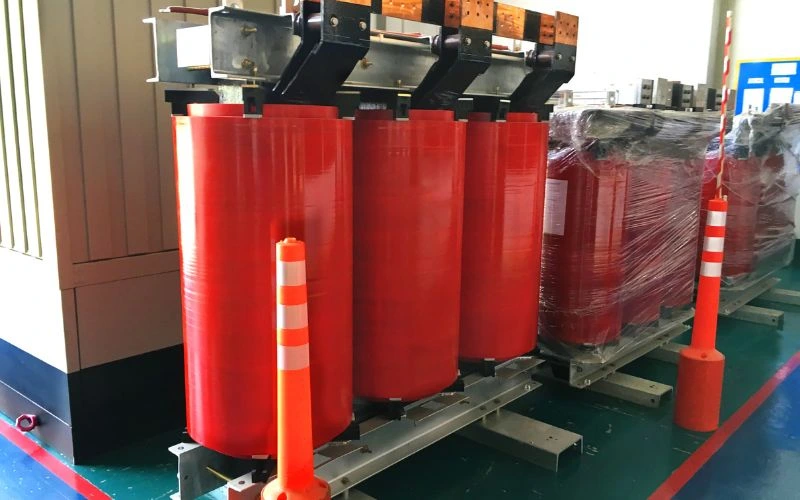
One of the most common types of dry-type transformers is the cast resin transformer. These transformers are known for their excellent insulation properties and are often used in areas where fire safety is a concern. Cast resin transformers are also highly resistant to moisture and can withstand harsh environmental conditions, making them suitable for outdoor installations.
Another type of dry type transformer is the vacuum pressure-impregnated (VPI) transformer. These transformers are manufactured by impregnating the windings with epoxy resin under vacuum conditions. VPI transformers are highly reliable and offer excellent protection against moisture, dust, and contaminants. They are commonly used in industrial applications where high levels of reliability and performance are required.
A third type of dry-type transformer is the encapsulated transformer. These transformers are constructed by encapsulating the windings and core in epoxy resin, providing excellent protection against moisture, dust, and mechanical stress. Encapsulated transformers are compact and lightweight, making them suitable for installations where space is limited.
In conclusion, dry-type transformers come in various types, each designed to meet specific application requirements. Whether it’s the cast resin transformer, the vacuum pressure-impregnated transformer, or the encapsulated transformer, these devices offer efficient and safe power distribution without liquid coolant. Understanding the different types of dry-type transformers can help you select the right one for your specific needs.
What Are the Safety Considerations for Dry-Type Transformers?
Dry-type transformers are widely used in various industries and commercial buildings due to their safety and efficiency. However, it is important to understand and consider the safety aspects associated with these transformers to ensure smooth and secure operations. Here, we will discuss some key safety considerations for dry-type transformers.
Firstly, it is crucial to install dry-type transformers in a well-ventilated area properly. These transformers generate heat during operation, and adequate ventilation helps dissipate the heat, preventing overheating and potential fire hazards. Additionally, the installation should comply with local electrical codes and regulations to ensure proper grounding and electrical safety.
Regular maintenance is another important safety consideration. Inspections should be conducted periodically to check for any signs of damage, loose connections, or insulation degradation. Any detected issues should be addressed promptly to prevent further damage or accidents.
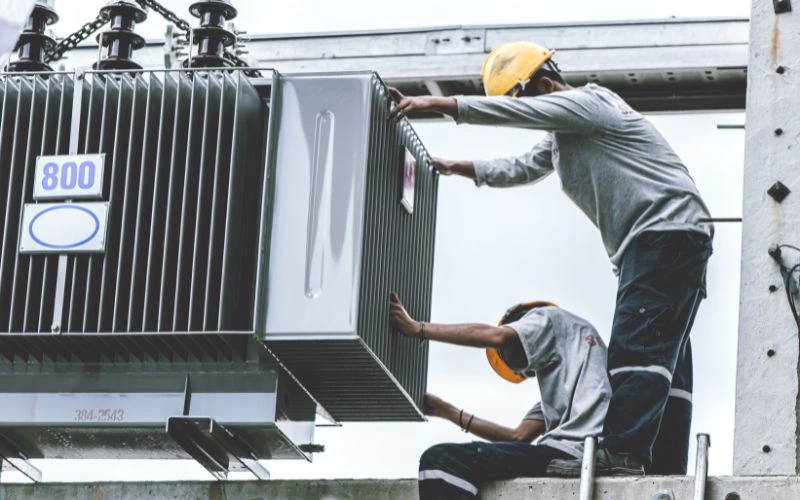
Furthermore, it is essential to implement proper safety measures during maintenance or repair work. This includes de-energizing the transformer, following lockout/tagout procedures, and using appropriate personal protective equipment (PPE) to protect workers from electrical hazards.
Fire safety is also a critical aspect when dealing with dry-type transformers. It is recommended to have fire suppression systems, such as fire extinguishers or automatic sprinkler systems, near the transformers. Regular testing and maintenance of these systems should be carried out to ensure their effectiveness in case of a fire emergency.
In conclusion, understanding and implementing safety considerations for dry-type transformers are vital for ensuring the well-being of personnel and the protection of property. By following proper installation procedures, conducting regular maintenance, and adhering to safety protocols, the risks associated with these transformers can be minimized, leading to a safer working environment.
What Are the Maintenance Requirements for Dry Type Transformers?
Dry-type transformers are an essential component of electrical systems, providing reliable and efficient power distribution. To ensure their optimal performance and longevity, regular maintenance is crucial. By following proper maintenance procedures, you can prevent potential failures and extend the lifespan of your dry-type transformers.
One of the primary maintenance requirements for dry-type transformers is regular inspection. Inspect the transformer for any signs of damage, such as cracks, corrosion, or loose connections. Please pay close attention to the cooling system, ensuring it is clean and free from obstructions. Regularly check the insulation system for signs of deterioration, as this is a critical component for the safe operation of the transformer.
Cleaning is another important aspect of maintenance for dry-type transformers. Dust and dirt accumulation can impact the transformer’s performance and increase the risk of overheating. Regularly clean the exterior surfaces and cooling vents to prevent any blockages. Use a soft brush or compressed air to remove dirt from the cooling fins and ensure proper airflow.
In addition to inspection and cleaning, it is essential to monitor the temperature of the transformer. Excessive heat can lead to insulation breakdown and other issues. Install temperature sensors and regularly check the temperature readings. If the temperature exceeds the recommended limits, take immediate action to address the issue.
Furthermore, regular testing and analysis of the transformer’s electrical parameters are necessary. This includes measuring the insulation resistance, performing dielectric strength tests, and analyzing the moisture content. These tests help identify any potential problems and allow for timely corrective actions.
By adhering to these maintenance requirements, you can ensure the reliable and efficient operation of your dry-type transformers. Regular inspection, cleaning, temperature monitoring, and testing are essential for preventing failures and maximizing the lifespan of these critical electrical components. Consult the manufacturer’s guidelines and seek professional assistance to ensure proper maintenance practices.
What Are the Environmental Benefits of Dry-Type Transformers?
Dry-type transformers are becoming increasingly popular due to their numerous environmental benefits. These transformers use air as the cooling medium instead of oil, resulting in a more eco-friendly solution for power distribution systems. In this article, we will explore the environmental advantages of dry-type transformers and why they are a sustainable choice for the future.
One of the key benefits of dry-type transformers is their reduced risk of environmental contamination. Unlike their oil-filled counterparts, dry-type transformers do not pose a threat of oil leaks or spills. This eliminates the risk of soil and groundwater pollution, protecting the environment and ensuring the safety of nearby ecosystems.
Additionally, dry-type transformers are more energy-efficient compared to oil-filled transformers. They have lower energy losses, which means less energy is wasted during the conversion and distribution process. This not only reduces greenhouse gas emissions but also leads to significant cost savings for businesses and industries.
Furthermore, dry-type transformers have a longer lifespan, reducing waste generation. With proper maintenance, these transformers can last for several decades, minimizing the need for frequent replacements. This not only reduces the demand for raw materials but also decreases the amount of waste that ends up in landfills.
Another environmental advantage of dry-type transformers is their ability to operate in various climates. They are designed to withstand extreme temperatures and humidity, making them suitable for multiple locations worldwide. This versatility reduces the need for additional cooling or heating systems, reducing energy consumption and environmental impact.
In conclusion, dry-type transformers offer several environmental benefits that make them a sustainable choice for power distribution systems. Their reduced risk of environmental contamination, energy efficiency, longer lifespan, and ability to operate in diverse climates all contribute to a greener and more environmentally friendly future. By embracing dry-type transformers, we can minimize our environmental impact and work towards a more sustainable future.
In conclusion, the post on dry-type transformers has provided a comprehensive overview of this important topic. We have explored various aspects of dry-type transformers, including their advantages, working principles, applications, disadvantages, types, safety considerations, maintenance requirements, and environmental benefits.
One of the key takeaways from this post is the numerous advantages of dry-type transformers. They are known for their safety, as they eliminate the risk of oil leakage and fire hazards. Additionally, they are more environmentally friendly compared to their oil-filled counterparts. These transformers also require less maintenance and are ideal for indoor installations.
We have also discussed the working principles of dry-type transformers, which involve using air as the cooling medium. This ensures efficient heat dissipation and prevents overheating. Furthermore, we have explored the various applications of dry-type transformers, ranging from commercial buildings and hospitals to renewable energy projects.
However, it is important to note that dry-type transformers also have disadvantages. They are generally larger and heavier than oil-filled transformers, which can pose challenges in terms of installation and transportation. Additionally, they have a lower overload capacity and may require additional cooling mechanisms in certain situations.
Looking ahead, several future developments and trends may impact the field of dry-type transformers. With the increasing focus on sustainability and energy efficiency, we can expect to see further advancements in the design and efficiency of these transformers. Additionally, integrating digital technologies and smart grid systems may enhance the monitoring and control capabilities of dry-type transformers.
In conclusion, dry-type transformers are crucial in various industries and applications. They offer numerous advantages regarding safety, efficiency, and environmental friendliness. As a reader, it is important to consider these factors when selecting a transformer for your specific needs. We hope this post has provided valuable insights and actionable tips for you.
Thank you for taking the time to read this post. We encourage you to leave any comments or feedback below. Your input is greatly appreciated.