Overvoltage Protection Devices: Types and Key Applications
You might not think about overvoltage protection devices until too late, but they are crucial in safeguarding electronic equipment from sudden voltage surges. Each type has its specific function and application, from service entrance surge protectors to whole-home surge protectors. Type 1 Surge Protection Devices are particularly useful in areas prone to lightning strikes, while Type 2 devices are perfect for residential and commercial settings. Are you curious about how these devices guarantee the longevity of your electronics and overall system reliability? Let’s explore the key differences and applications of these essential protection tools.
Key Takeaways
- Type 1 SPDs are designed to protect against direct lightning strikes and reduce overvoltage to 4 kV or lower.
- Type 2 SPDs are used for primary protection in residential and commercial installations, reducing overvoltage to 2.5 kV or lower.
- Receptacle Surge Protectors divert excess voltage to the ground wire and are easy to install without tools.
- Whole-Home Surge Protectors safeguard multiple circuits and intercept large surges to prevent device damage.
- Service Entrance Surge Protectors act as the first defense against external electrical surges.
Understanding Overvoltage
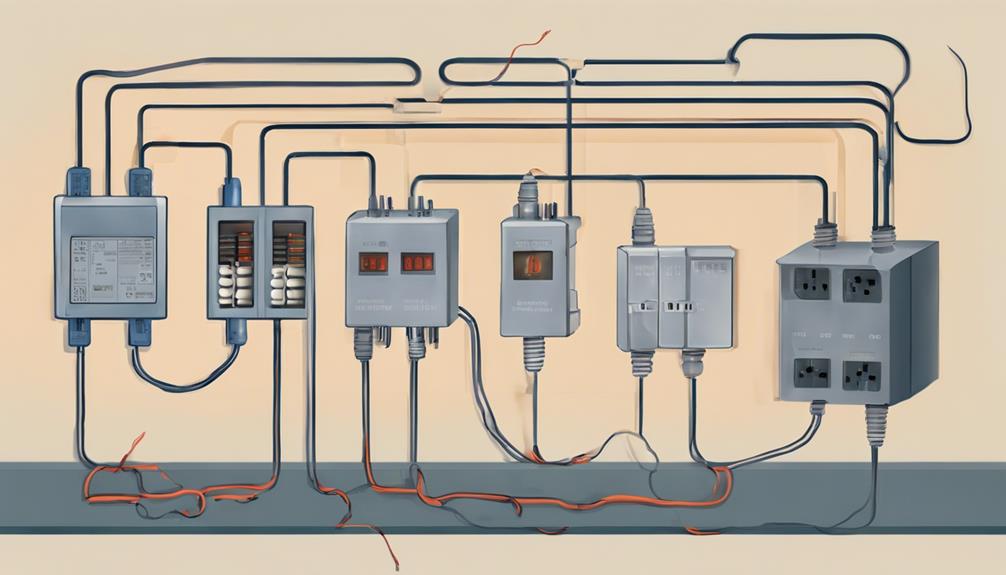
When it comes to overvoltage, it’s important to understand that this phenomenon happens when the voltage in an electric circuit surpasses its designed capacity. If not managed correctly, this can lead to severe consequences, such as explosions. Overvoltage can be either transient or permanent, making the need for effective overvoltage protection devices paramount.
Protection circuitry plays a pivotal role during overvoltage events, activating to prevent damage to your electrical systems. Alarms are also essential for the early detection of overvoltage, ensuring you have ample time to take corrective action. Common overvoltage protection devices include circuit breakers, surge protectors, fuses, voltage relays, and surge arresters. Each device is a safeguard, helping maintain your electrical installations’ integrity.
Understanding overvoltage categories, such as Category I, II, III, and IV, as defined by the International Electrotechnical Commission (IEC), helps you determine the appropriate protection measures. For instance, Category I devices are designed for low-energy circuits, while Category IV devices are meant for installations with higher energy levels. By knowing these categories, you can select the right overvoltage protection devices for your specific needs, ensuring the safety and reliability of your equipment.
External Overvoltage Causes
External overvoltage can have several origins, each posing a significant risk to your electrical systems. One of the most dramatic causes is lightning strikes. The risk is particularly high in regions like Texas, where over 47 million lightning strikes were recorded in 2019. Lightning can directly hit power lines or induce electromagnetic surges that travel through the grid, causing significant overvoltage.
Here are some common causes of external overvoltage:
- Lightning strikes: Direct hits on power lines or nearby areas can induce powerful surges.
- Downed power lines can create unpredictable voltage spikes in the electrical grid.
- Electrical company issues: Maintenance errors or equipment failures can lead to overvoltage.
- Charged clouds or particles: Electrostatics from atmospheric conditions can cause voltage surges.
Lightning strikes are especially dangerous because they can generate thousands of volts instantly. This can overwhelm your electrical systems, causing severe damage or even electrical fires.
In areas with high lightning activity, you must take extra precautions to protect your systems from these sudden surges. Understanding these external causes is the first step in safeguarding your electrical infrastructure from potentially catastrophic overvoltage events.
Internal Overvoltage Sources
Internal overvoltage sources are just as crucial to address as external ones, as they account for 80% of all overvoltage surges. You might notice minor signs like flickering lights, indicating internal overvoltage issues that could harm your appliances. Addressing these problems directly with surge protection devices is vital.
Surge protectors are designed to divert excess voltage, safeguarding your valuable electronics from potential damage. They act as a barrier, ensuring the extra voltage doesn’t reach and harm your devices.
Another common cause of internal overvoltage is overloading circuits, which can trip breakers and result in unexpected surges within your household’s electrical system.
Receptacle Surge Protectors
Receptacle surge protectors look like specialized power strips and are easy to install without needing a professional. They redirect surges to the ground wire instead of absorbing them, protecting multiple devices connected to a single outlet. This mechanism effectively prevents damage and extends the lifespan of your appliances.
Easy Installation Process
Receptacle surge protectors take the hassle out of protecting your electronics. They offer an easy installation process that anyone can handle. These handy devices resemble power strips and can be set up without professional help. Plug the surge protector into your wall outlet, and you’re ready to connect multiple electronic devices. This straightforward installation makes it accessible to anyone, regardless of technical expertise.
Receptacle surge protectors don’t absorb surges; instead, they redirect excess voltage to the ground wire, preventing damage to your valuable devices. This means you can safeguard multiple pieces of equipment from overvoltage damage with minimal effort. Whether setting up a home office or protecting entertainment systems, these protectors are convenient for managing electrical surges.
Here’s why you’ll appreciate their simplicity:
- No tools are required: Plug it in, and you’re ready.
- User-friendly: Designed for anyone to install; no technical skills needed.
- Versatile protection: Perfect for various devices connected to a single outlet.
- Time-saving: Quick setup means immediate protection for your electronics.
Device Protection Mechanism
When a sudden spike in voltage threatens your valuable electronics, receptacle surge protectors act like vigilant gatekeepers, redirecting excess energy away from your devices and into the ground wire. Unlike other electrical protection devices, these protectors don’t absorb surges. Instead, they effectively channel excess voltage away, shielding your equipment from potential harm.
Receptacle surge protectors are particularly useful because they’re easy to set up and don’t require professional help. You plug them into your existing wall outlet, and they immediately protect multiple devices. This convenience makes them an excellent choice for homes and offices where several gadgets need safeguarding.
Consider the following benefits of using receptacle surge protectors:
| Feature | Benefit | Example |
|---|---|---|
| Redirects Surges | Prevents harm to connected devices | Computers, TVs, and more |
| Easy Installation | No need for professional aid | Plug-and-play convenience |
| Multi-Device Protection | Safeguards several devices at once | Ideal for office settings |
Minor inconsistencies like flickering lights can indicate internal overvoltage, making these surge protectors even more necessary. Providing robust electrical protection guarantees that your electronics remain safe from unexpected power surges, preserving their longevity and functionality.
Service Entrance Surge Protectors
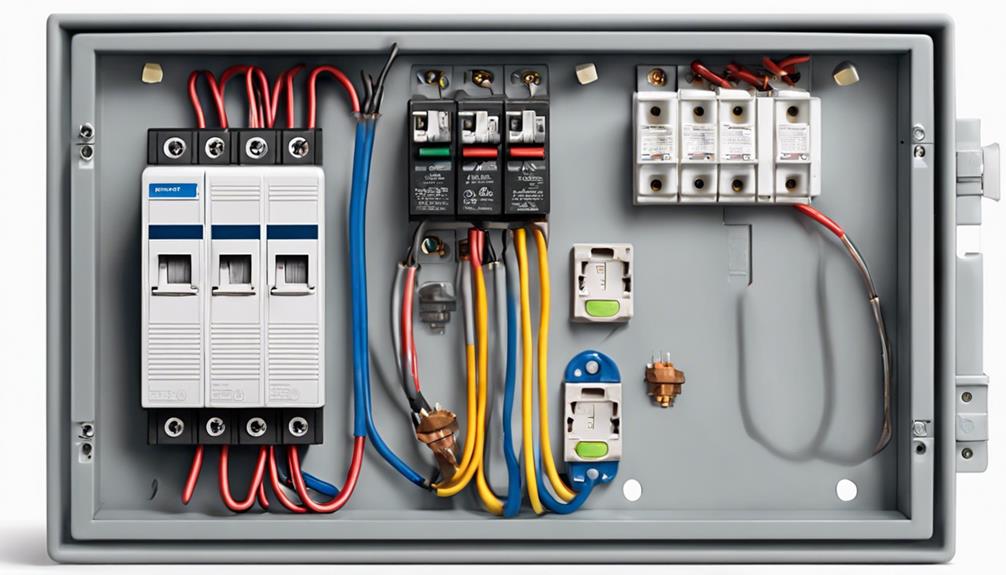
Service Entrance Surge Protectors are an essential first line of defense for safeguarding your home against electrical surges from the transformer. Installed on the main breaker, these devices absorb large surges before they reach your breaker panel, ensuring the safety of your electrical system. Here’s why you should consider installing one:
- Complete Protection: They offer total protection for your house against external overvoltage events like lightning strikes.
- Damage Prevention: By absorbing large surges, they shield other surge protection devices in your home from harm.
- Regional Necessity: This is especially recommended for areas with high lightning activity, such as Texas.
- Layered Defense: When used with other surge protection devices, they provide a robust, multi-layered defense against overvoltage.
Service Entrance Surge Protectors are particularly effective in regions prone to frequent lightning strikes. Installing one notably reduces the risk of severe electrical damage to your home’s wiring and appliances.
Don’t wait for a lightning strike to expose vulnerabilities in your system; take proactive measures to protect your home and enhance the longevity of your electrical components. Combined with other surge protection strategies, these devices are critical to a thorough defense system.
Whole-Home Surge Protectors
While Service Entrance Surge Protectors act as the initial barrier against external electrical surges, Whole-Home Surge Protectors provide an additional layer of defense. These devices are installed directly in your main breaker, safeguarding multiple circuits throughout your home. Handling surges of all sizes, whole-home surge protectors offer thorough protection against potential electrical spikes.
One key benefit of whole-home surge protectors is their capacity to absorb large surges. This is particularly vital for defending against powerful events like lightning strikes, which can cause extensive damage to unprotected electrical systems. By intercepting these surges, whole-home surge protectors guarantee that other types of surge protection devices in your home aren’t overwhelmed or damaged.
Installation of whole-home surge protectors is essential for the safety and longevity of your electronic devices. They effectively safeguard against various surges, ensuring that your appliances, computers, and entertainment systems remain functional and protected.
With whole-home surge protectors in place, you can have peace of mind knowing your entire household’s electronics are shielded from potentially devastating electrical surges. Investing in these protectors is a wise move for maintaining the integrity and reliability of your home’s electrical system.
Types of SPDs
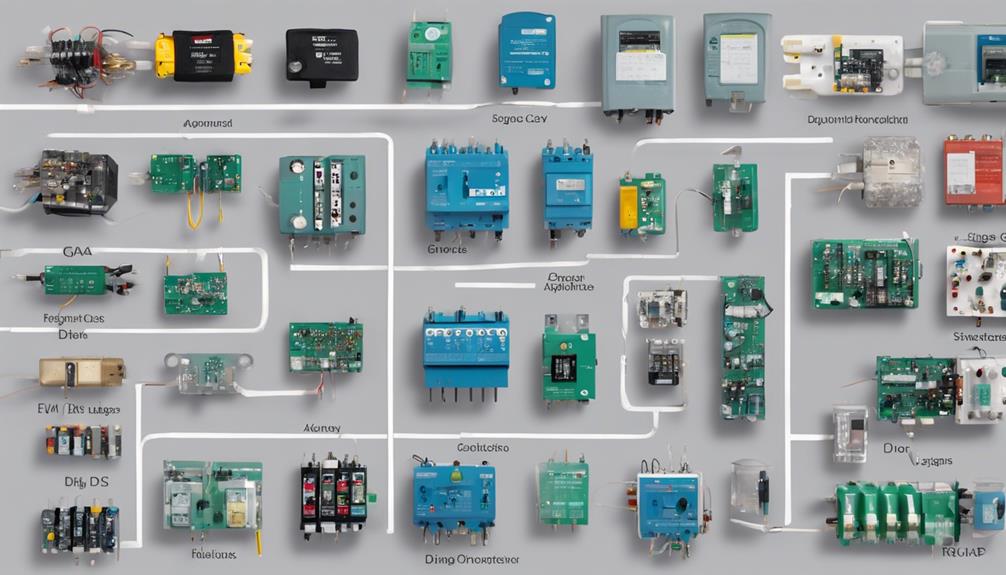
When selecting Surge Protection Devices (SPDs), Type 1 SPDs are vital for service-sector buildings and industrial settings. They decrease overvoltage to 4 kV or lower, safeguarding against direct lightning strokes.
On the other hand, Type 2 SPDs act as the main protection for electrical installations, efficiently reducing overvoltage to 2.5 kV or less. Understanding these types guarantees you choose the correct SPD for the best protection in different environments.
Type 1 SPD Characteristics
Type 1 Surge Protection Devices (SPDs) are necessary components in electrical systems, especially where the risk of direct lightning strikes is higher. These devices form an important part of your protection system, designed to shield your infrastructure from high-energy surges. They reduce overvoltage to 4 kV or lower, making them ideal for service-sector and industrial buildings.
Installing Type 1 SPDs guarantees that your electrical system has a pivotal first line of defense against severe overvoltage events. These devices are engineered to handle the immense energy from direct lightning strokes, preventing catastrophic damage to your equipment. Here’s why you should consider them for your protection system:
- Direct Lightning Strike Mitigation: Type 1 SPDs can effectively handle the energy from a direct lightning strike.
- Overvoltage Reduction: They reduce overvoltage to safe levels, protecting sensitive equipment.
- Industrial and Service-Sector Applications: Ideal for higher-risk environments like industrial buildings.
- First Line of Defense: They provide the initial protection, ensuring subsequent devices face reduced stress.
Integrating Type 1 SPDs into your protection system is essential for maintaining the safety and functionality of your electrical infrastructure, especially in high-risk areas.
Type 2 SPD Applications**
After understanding the significance of Type 1 SPDs in mitigating direct lightning strikes, let’s look at the role of Type 2 Surge Protection Devices (SPDs) in your electrical system. These devices are the primary protection for electrical installations, designed to reduce overvoltage to 2.5 kV or lower. This reduction is essential for safeguarding your equipment and devices from potentially damaging surges.
Type 2 SPDs are recommended for both residential and commercial applications. By installing these devices, you can prevent damage from power spikes that often occur within electrical systems. Whether it’s your home or business, these SPDs offer effective protection against overvoltage events that could otherwise harm sensitive electronics and appliances.
Incorporating Type 2 SPDs into your electrical installations means you’re taking a proactive step in ensuring the longevity and reliability of your equipment. They work by diverting excess voltage away from your devices, keeping them safe from unexpected surges.
Importance of Overvoltage Protection
Protecting your electrical systems from overvoltage is vital not only for preventing costly damage but also for guaranteeing the longevity and reliability of your sensitive equipment. Overvoltage protection safeguards your devices and installations from damaging voltage spikes, such as those caused by lightning strikes and power surges. Without proper protection, these sudden increases in voltage can wreak havoc on your electrical systems, leading to expensive repairs and replacements.
Utilizing different types of Surge Protective Devices (SPDs) provides varying levels of protection for your electrical systems. Selecting the right SPD and ensuring it’s installed correctly to shield against overvoltage events is important. Here’s why overvoltage protection is so significant:
- Prevents Costly Damage: Proper protection helps avoid the high costs of repairing or replacing damaged equipment.
- Ensures Longevity: By guarding against voltage spikes, you extend the lifespan of your sensitive electronic devices.
- Maintains Reliability: Consistent protection ensures your systems remain reliable, reducing downtime and operational disruptions.
- Protects Investments: Overvoltage protection safeguards your financial investments in expensive equipment and infrastructure.
Incorporating effective overvoltage protection measures is vital for maintaining the efficiency and safety of your electrical systems. Don’t overlook this important aspect of electrical system management.
Conclusion
Understanding and using the right overvoltage protection devices is essential for protecting your electronic equipment. From Service Entrance and Whole-Home Surge Protectors to Type 1 and Type 2 SPDs, each plays a critical role in safeguarding your home or business from damaging voltage spikes. Don’t underestimate the significance of these devices—they guarantee the efficiency, safety, and longevity of your electrical systems. Embrace overvoltage protection and keep your electronics safe and sound.
FAQs
What are the common types of overvoltage protection devices?
Common overvoltage protection devices include Metal Oxide Varistors (MOVs), Transient Voltage Suppression (TVS) diodes, Gas Discharge Tubes (GDTs), and fuses. Each type is designed to protect electrical systems from voltage spikes. MOVs and TVS diodes are commonly used in electronics, while GDTs are often used in telecommunications.
Key Points:
- MOVs and TVS diodes: Common in electronics
- GDTs: Used in telecommunications for high-voltage protection
- Fuses: Provide general overcurrent and overvoltage protection
How does a Metal Oxide Varistor (MOV) work for overvoltage protection?
An MOV is made from a material that changes resistance in response to voltage spikes. When the voltage exceeds a certain threshold, the MOV’s resistance drops, allowing it to conduct excess current away from sensitive components. MOVs are commonly used in surge protectors and various electronic devices to prevent damage from sudden voltage surges.
Key Points:
- Changes resistance to protect against voltage spikes
- Used in surge protectors and electronics
- Diverts excess current to protect components
What are the applications of TVS diodes and Gas Discharge Tubes?
TVS diodes are used in circuits that require fast, reliable protection, such as automotive electronics, USB ports, and computer motherboards. Gas Discharge Tubes (GDTs) are designed for high-energy voltage spikes and are commonly found in telecommunications equipment, where they protect against lightning-induced surges.
Key Points:
- TVS diodes: Fast response, used in sensitive electronics
- GDTs: High-energy protection used in telecommunications
- Each device is tailored to specific applications