Common Issues With DOL Starters: Causes & Solutions
When dealing with Direct-On-Line (DOL) starters, you can’t overlook the potential issues that might arise, like excessive starting currents and the risks they bring. These high currents can trip circuit breakers and damage components if left unchecked. But it’s not just about the currents; overload protection failures and wiring problems are significant concerns. Have you ever wondered how these issues could affect your motor’s performance over time? Let’s explore how each problem plays an essential role in the efficiency and safety of your motor system.
Key Takeaways
- DOL starters can cause starting currents 6-8 times higher than a motor’s Full Load Current, risking tripping circuit breakers.
- Overcurrent conditions may lead to nuisance tripping of breakers and damage to electrical components.
- Thermal overload relay failures can result in motor overheating due to mechanical binding or incorrect settings.
- Misalignment and loose components can cause excessive vibrations, leading to increased wear and potential failures.
- Regular inspections are crucial for identifying wear on contactors and ensuring secure wire connections.
Excessive Starting Current
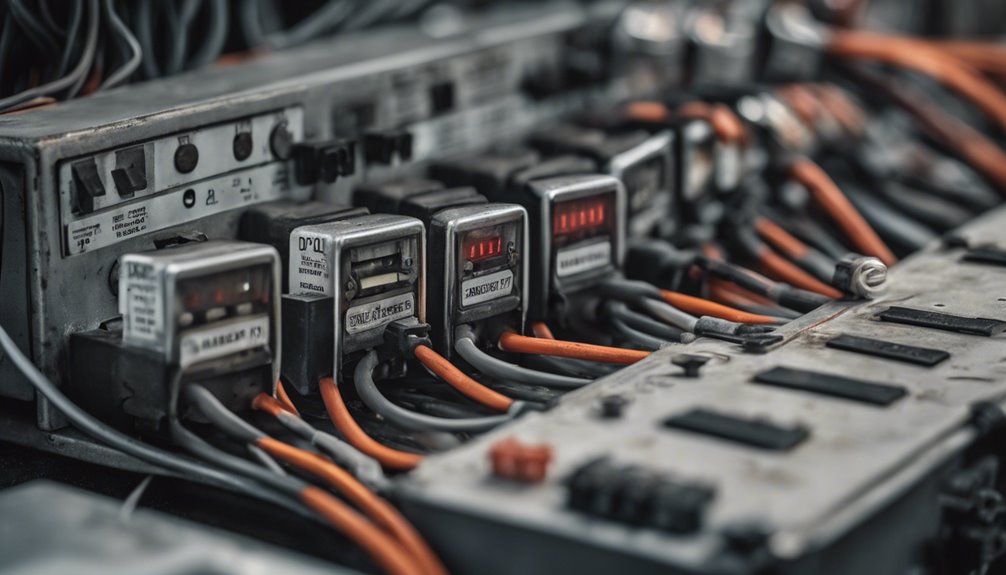
Excessive starting current in DOL starters often reaches 6-8 times the motor’s full load current (FLC), posing a significant risk of tripping circuit breakers and damaging electrical components. This happens because DOL starters apply full voltage directly to the motor at startup. The sudden startup uses a rapid increase in torque, leading to mechanical stress and potential motor overload.
You’re likely familiar with the challenges associated with such high inrush currents. They can lead to overheating of motor windings, shorten the motor’s lifespan, and increase maintenance costs.
To tackle this problem, you should guarantee the motor is correctly sized for the application and verify that the electrical supply can accommodate the inrush demand without faltering.
Consider implementing soft starters as a solution. Soft starters gradually ramp up the voltage, limiting the excessive starting current to more manageable levels. This approach minimizes electrical disturbances and reduces mechanical wear on the motor.
Overload Protection Failures
While managing the challenges of starting currents in DOL starters is important, guaranteeing reliable overload protection is equally essential. Overload protection failures typically occur when the thermal overload relay fails to trip, allowing excessive current to damage motor windings. To prevent this, check that your relay settings align with the motor’s Full Load Amperage (FLA) as indicated on the motor nameplate.
Common culprits behind these failures include:
- Mechanical binding in the motor increases load unexpectedly.
- Incorrect relay settings that don’t match the motor’s FLA, compromising protection.
- Malfunctioning relays that fail to detect overcurrent conditions.
- Infrequent inspections that miss potential problems with the relay.
- Repetitive tripping of the relay, indicating underlying issues like shorted windings or excessive load.
Regularly inspecting and testing the overload relay’s functionality can prevent these failures and extend your motor’s lifespan.
If the motor repeatedly trips the overload relay, it’s vital to investigate potential causes like shorted windings or excessive mechanical load. Addressing these issues promptly will help avoid further damage.
Motor Overheating Risks
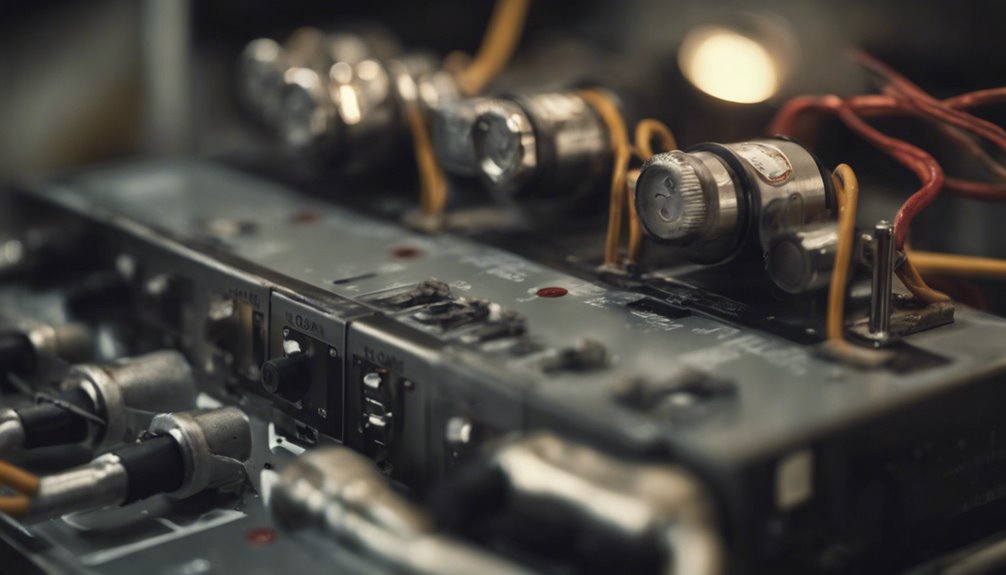
Motor overheating is a significant risk when dealing with DOL starters. It often occurs when a motor operates at or above its Full Load Amperage (FLA) for extended periods. This continuous strain reduces efficiency and can damage the motor. Keeping an eye on the FLA is essential, as exceeding this limit can generate excessive heat, leading to potential motor failure.
Insufficient ventilation is another common cause of motor overheating. Maintaining at least 12 inches of clearance around the motor is critical to guarantee proper air circulation. Without adequate space, heat buildup can lead to temperatures soaring 30% above normal levels, risking motor integrity.
Regular checks and cleaning of cooling fans and ducts can help prevent this issue.
Thermal overload relays are the safety net in these systems. They automatically cut power if the motor’s temperature exceeds safe levels, preventing overheating and prolonging lifespan. These relays trip when the motor is overloaded, protecting it from severe damage.
Regular maintenance and understanding the significance of these components can save you from costly repairs and downtime. Consider these factors to manage motor overheating risks in DOL starters effectively.
Connection and Wiring Issues
When working with DOL starters, ensure that all wire terminals are secure and free from damage to avoid poor connections that can lead to overheating.
Always verify voltage levels to prevent performance issues caused by potential drops in long wiring runs.
Regular inspections and maintenance are key to running your system safely and efficiently.
Inspect Wire Terminals
To ensure your DOL starter operates reliably, regularly inspect wire terminals for signs of corrosion, burning, or damage. These issues can impede electrical flow and cause starter malfunction.
Loose connections often cause troublesome intermittent problems that may prevent motor starters from functioning correctly. It’s essential to verify that all connections are tight and secure. Use a multimeter to measure continuity across terminal connections, as this will help you identify any breaks in the wiring that might disrupt the circuit.
Here’s a checklist to help maintain your DOL starter:
- Inspect wire terminals for corrosion, burning, or damage.
- Confirm all connections are secure to avoid loose connections.
- Use a multimeter for continuity checks to confirm circuit integrity.
- Confirm that the wiring gauge matches the current load to prevent overheating.
- Follow the specific wiring diagram for your DOL starter installation to avoid misfires.
Additionally, verify that the wiring gauge is appropriate for the current load to prevent overheating and potential failure of the starter components.
Following the wiring diagram specific to your DOL starter installation is crucial to guarantee all connections are made correctly. By staying vigilant, you can keep your DOL starter functioning smoothly.
Verify Voltage Levels
Verifying the correct voltage levels in your DOL starter setup is vital for proper operation and longevity. First, confirm that the input voltage matches your motor’s nameplate specifications—typically 230V for single-phase or 400V for three-phase systems.
Voltage fluctuations can lead to inefficiencies and potential damage, so checking that the voltage remains stable is essential. When you activate the start button, use a digital multimeter to measure the voltage at the starter terminals. This guarantees that the starter receives the voltage needed for the starting current.
Inspect the wiring connections between the power supply, starter, and motor. Loose or damaged connections can cause voltage drops, disrupting the control circuit and hindering performance.
Compare your wiring to the schematic provided with your DOL starter to confirm all connections are correct, with no crossed wires or incorrect phase connections. Additionally, verify the control voltage supplied to the contactor coil is within the specified range. An inadequate control voltage can cause the coil to vibrate, preventing it from fully engaging.
Contactor Malfunction
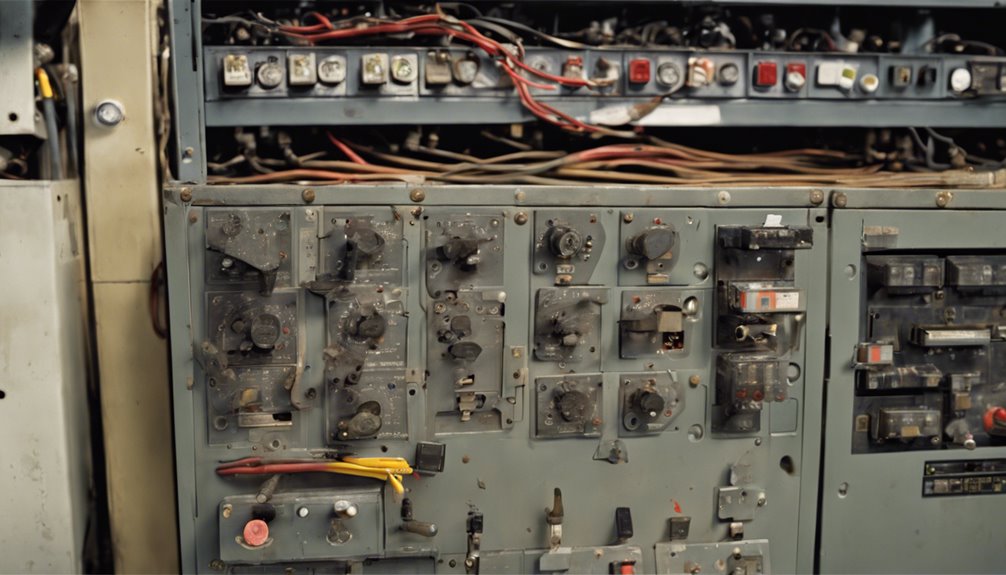
When dealing with contactor malfunction, identify faulty components that might be causing issues.
Inspect for signs of wear, such as welded contacts or buzzing sounds, which can signal that the contacts aren’t engaging properly.
Regular testing and maintenance are key to resolving contact wear issues and ensuring your system runs smoothly.
Identifying Faulty Contactors
Over time, identifying faulty contactors becomes essential in maintaining the reliability of DOL starters. Contactor malfunctions can disrupt your electrical systems, leading to unexpected downtimes. Signs of trouble include burnt or pitted contacts, often resulting from overheating due to excessive current draw or insufficient cooling.
You need to perform regular checks and maintenance to guarantee your system functions at its best.
Testing the contactor’s coil voltage is a critical step. If the voltage is lower than specified, the contactor may fail to engage, preventing the motor from activating. Continuity testing is another valuable tool. It helps you identify issues by checking the Normally Closed (NC) or Normally Open (NO) contacts. A lack of continuity suggests internal damage or failure, indicating the need for replacement.
Here’s a checklist to help you identify potential contactor issues:
- Check for burnt or pitted contacts: Frequent cycling or prolonged arcing can cause this.
- Test the contactor’s coil voltage: Verify it’s within the specified range.
- Conduct continuity tests: Identify broken circuits in NC or NO contacts.
- Inspect for overheating signs: Excessive current draw can cause this.
- Schedule regular maintenance: Clean and inspect components to prevent wear.
Resolving Contact Wear Issues
Addressing contact wear issues in DOL starters is vital to maintaining system efficiency and reliability. Frequent opening and closing cycles can cause overheating and pitting on contact surfaces, leading to contactor malfunctions. Regular maintenance must be performed to prevent these issues by inspecting contactor contacts for signs of burning or erosion. Early detection helps you avoid operational failures.
If you notice contact wear exceeding 10% of the contact surface, it’s time to replace the contactors. Significant wear can impact electrical performance and increase the risk of failure. Selecting appropriately rated contractors for your specific motor load and operating conditions is essential. This step reduces contact wear and extends the lifespan of your DOL starters.
Protective measures, such as surge protectors or soft start mechanisms, effectively minimize the electrical stresses contributing to contact wear. Implementing these solutions guarantees smoother operations and reduces the likelihood of contactor malfunctions.
Breaker Tripping Problems
Breaker tripping issues in DOL starters can be frustrating, yet they often stem from overcurrent conditions where the motor draws more current than the circuit can handle.
This might occur when the breaker trips unexpectedly, interrupting operations. One common culprit is high starting currents, which can momentarily exceed the breaker’s capacity.
Assess whether your breaker can handle these peaks or if you need one with a higher start-up tolerance. Fstartupincorrectly set thermal overload relays are another cause. They might not be calibrated to the motor’s Full Load Amperage (FLA), leading to nuisance tripping.
Here are steps you can take to resolve these issues:
- Check and calibrate thermal overload relays to guarantee they match the motor’s specifications.
- Inspect for short circuits or ground faults due to damaged wiring or insulation breakdown.
- Consider a breaker with delayed trip settings to accommodate high starting currents.
- Regular maintenance checks on circuit breakers should be conducted to identify potential problems early.
- Review the motor’s electrical system thoroughly to guarantee compatibility with the current setup.
Mechanical Vibration Concerns

Why does mechanical vibration become a concern in DOL starters? Misalignment between the motor and the starter can lead to increased wear and potential component failure. This misalignment results in excessive vibrations that affect the operational efficiency and lifespan of the motor and the starter. You might notice these issues if there are loose mounting bolts or worn bearings.
Regular maintenance is essential to managing these mechanical issues. To mitigate vibration concerns, check for proper alignment regularly and secure all connections. This will enhance the reliability of your DOL starters and prevent future problems. Additionally, using vibration analysis tools can be a game-changer. By monitoring the frequency and amplitude of vibrations, you can detect mechanical issues early before they escalate.
Incorporating visual inspections and listening for unusual sounds during startup is also beneficial. These steps can help identify underlying vibration issues that might need immediate attention.
| Issue | Indicator | Solution |
|---|---|---|
| Misalignment | Excessive vibrations | Regular alignment checks |
| Loose bolts/worn bearings | Unusual sounds | Secure all connections |
| Escalating vibrations | Increased wear | Use vibration analysis tools |
Regular maintenance and vigilance will keep your DOL starters running smoothly.
Regular Inspection Importance
The key to maintaining DOL starters and ensuring their reliable operation is Regularly inspecting your motor starter allows you to spot potential issues before they become major problems.
This proactive approach is essential for controlling the system’s functionality, minimizing downtime, and preventing costly repairs.
- Identify Wear and Tear: Spot early signs of wear on contactors and overload relays, which can prevent unexpected failures.
- Check Connections and Wiring: Look for loose connections and damaged wiring to avoid electrical shorts or overheating.
- Clean Contactor Surfaces: Regular cleaning boosts conductivity and reduces the risk of contact welding or failure.
- Monitor Thermal Conditions: Detect overheating early to keep the motor within safe temperatures, extending its lifespan.
- Maintain Inspection Logs: Detailed records help track recurring issues and guide future maintenance strategies.
Conclusion
Addressing common issues like excessive starting currents, overload protection failures, and motor overheating is essential to keeping your DOL starter system running smoothly. Don’t overlook potential wiring and connection problems or the risk of contactor malfunctions. Inspect your system regularly to catch any breaker tripping or mechanical vibrations early. By staying proactive with maintenance, you’ll extend your motor’s lifespan and guarantee peak performance without unexpected downtime.
FAQs
1. How Do I Know if My Electric Motor Starter Is Bad?
You can identify a bad electric motor starter by looking for motor starter signs like unusual noises or overheating. Use starter troubleshooting tips to diagnose issues, such as checking for stuck contacts or a failing control circuit.
2. What is the common problem with a starter motor?
You’ll likely encounter starter motor failure, which can be symptomatic by failing to start or making unusual noises. Use troubleshooting techniques to identify issues and apply preventive maintenance tips to avoid future problems and guarantee reliable operation.
3. What Are the Disadvantages of DOL Starters?
You’ll encounter DOL starter limitations like high inrush currents causing voltage drops. Their efficiency is low for large motors, leading to frequent trips. DOL starter applications lack soft starting, increasing wear. Maintenance becomes essential for reliability.
4. What Are Some Common Causes of Soft Starter Failure?
Soft starter failures can occur due to overheating issues and application limitations. A faulty soft starter design or a problematic control circuit can also cause malfunctions, disrupt motor performance, and cause operational inefficiencies.