Electrical Maintenance: Essential Tips and Best Practices
When you think about electrical maintenance, you might consider it a tedious task, but it’s a fundamental practice that guarantees the reliability and safety of your electrical systems. Regular inspections can help you identify potential issues before they escalate into costly repairs or unexpected power outages. By prioritizing professional maintenance, you extend the lifespan and efficiency of your equipment. But did you know there’s a significant debate about whether to rely on professional services or tackle maintenance tasks yourself? Let’s explore the nuances and decide the best approach for your needs.
Key Takeaways
- Regular electrical maintenance prevents unexpected outages and costly repairs.
- Professional electricians ensure compliance with safety codes and standards.
- Preventative maintenance identifies early signs of wear or failure.
- The use of proper safety gear and procedures minimizes risks during maintenance.
- Detailed scheduling and record-keeping optimize maintenance efficiency and compliance.
Understanding Electrical Maintenance
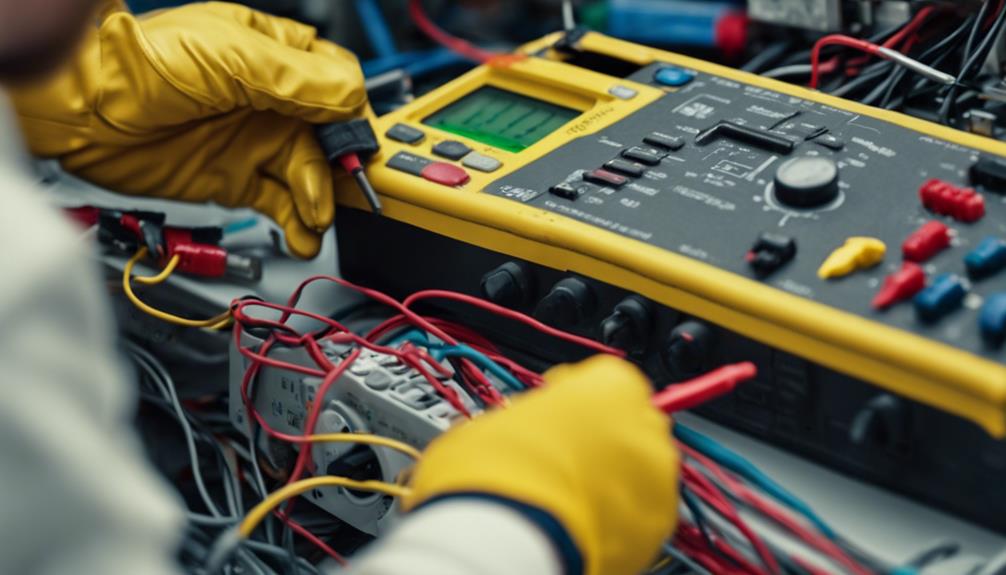
Understanding electrical maintenance is essential for guaranteeing the reliability and safety of your electrical systems. By engaging in electrical maintenance, you’re actively testing, monitoring, fixing, and replacing components to keep your equipment in shape. This process involves professional electricians well-versed in electrical codes, ensuring every task complies with safety standards.
For instance, professionals inspect generators and lighting systems to detect early signs of wear or failure. This proactive approach is known as preventative maintenance. By catching issues early, you can avoid unexpected power outages and costly equipment damage. This not only saves you money but also keeps your operations running smoothly.
Regular electrical maintenance is essential for maintaining efficient operations and preventing downtime in a commercial setting. Inspections and repairs ensure that all systems function correctly, safeguarding your business from potential hazards and interruptions.
Conversely, electrical maintenance is equally important in residential settings. It guarantees your home’s safety and functionality and extends the lifespan of your electrical components.
Importance of Regular Maintenance
Regular electrical maintenance is crucial for preventing unexpected power outages and equipment failures. By staying on top of your electrical systems, you can identify and rectify potential malfunctions before they become major issues. This proactive approach guarantees the safety of everyone in the vicinity and protects your property from electrical hazards.
Electrical maintenance keeps your systems running smoothly and reduces the risk of costly repairs and downtime. When equipment fails unexpectedly, the cost of emergency repairs and the impact of downtime can be significant. Regular maintenance helps you avoid these disruptions, saving you time and money in the long run.
Additionally, electrical maintenance is essential for the efficient operation and longevity of your electrical components, whether in a residential or commercial setting. Well-maintained systems operate more efficiently, lowering energy bills and reducing environmental footprint. Plus, extending the life of your electrical components means you won’t have to replace them as frequently, which is another cost-saving benefit.
In short, regular electrical maintenance is a critical investment in your electrical systems’ safety, efficiency, and reliability. Don’t wait for problems to arise—stay proactive and keep everything running smoothly.
Professional Vs. DIY Maintenance
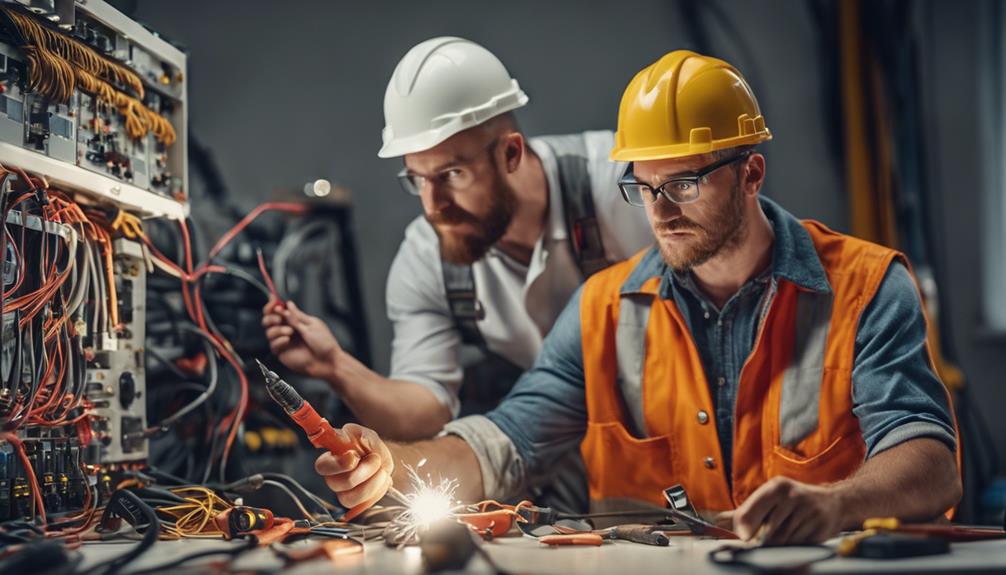
Choosing between professional and DIY electrical maintenance can substantially impact the efficiency of your electrical systems. When you opt for professional electrical maintenance, you guarantee compliance with safety standards and regulations. Professionals have the necessary training and experience to identify and address electrical issues effectively.
On the other hand, DIY electrical maintenance can be risky and lead to potential hazards.
Here are three critical points to take into account:
- Compliance and Safety: Professional electrical maintenance guarantees that your systems comply with all safety standards, greatly reducing the risk of accidents and legal issues.
- Quality and Longevity: Professionals provide thorough inspections and quality artistry, ensuring that your electrical systems remain efficient and safe for the long term.
- Insurance and Warranties: DIY maintenance might void warranties and insurance coverage because improper handling can lead to damage or future complications.
Choosing a professional ensures that your electrical systems are maintained correctly and safely. While DIY might seem cost-effective, the potential risks and complications often outweigh the savings.
To summarize, professional electrical maintenance is the wise choice professional electrical maintenance is the wise choice for the safety and longevity of your electrical systems.
Essential Safety Precautions
When conducting electrical maintenance, always prioritize your safety by following essential precautions. First, don’t forget to wear proper safety equipment like insulated gloves and hard hats. These items protect you from potential electrical shocks and falling objects. Before starting any work, shut off the power to the equipment. This critical step prevents electric shocks, keeping you safe. It’s also important to avoid working in areas with standing water, as water greatly increases the risk of electrical accidents.
Another essential precaution is regularly inspecting your equipment for signs of damage before use. Damaged equipment can lead to accidents and injuries, so maintaining safety standards is key. Additionally, schedule periodic electrical maintenance inspections. These inspections help catch potential hazards early, preventing accidents and ensuring your work environment remains safe.
Here’s a quick reference table to keep these precautions in mind:
| Precaution | Purpose | Why It’s Important |
|---|---|---|
| Wear insulated gloves and hard hats | Protects from shocks and falling objects | Ensures personal safety |
| Shut off power before work | Prevents electric shocks | It keeps you safe while working |
| Avoid standing water | Reduces risk of electrical accidents | Minimizes hazards in the work area |
Steps for Effective Maintenance
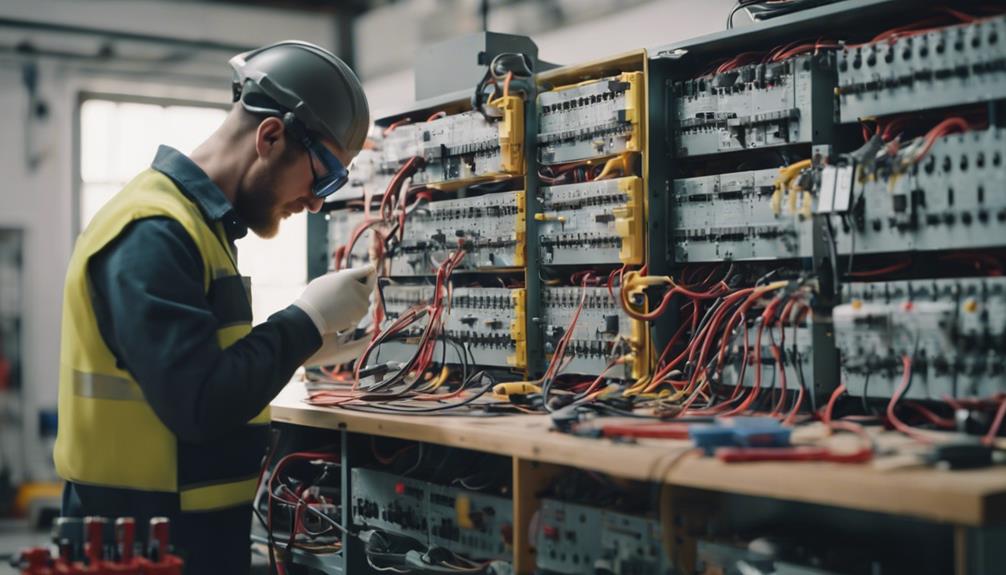
Effective electrical maintenance starts with thoroughly inspecting all equipment to identify potential issues. This initial step is vital for catching problems early and preventing costly breakdowns.
Here are three essential steps to make sure your maintenance routine is effective:
- Conduct Regular Inspections: Make it a habit to inspect your electrical equipment periodically. Look for signs of wear and tear, such as frayed wires or corroded components. Regular check-ups help you spot issues before they become major problems.
- Use Proper Safety Gear: Always prioritize safety by wearing insulated gloves, hard hats, and other protective equipment. Shutting off power before you start working on any electrical system is a must to prevent electric shock and accidents.
- Test and Repair: After your initial inspection, test the equipment to ensure it’s functioning correctly. If you find any faults, repair them immediately. This step involves checking connections, tightening loose parts, and replacing damaged components.
Tools and Equipment Needed
You’ll need the right tools and equipment to perform these maintenance steps efficiently and safely. Electrical maintenance tools are essential for guaranteeing the safety and functionality of electrical systems. A multimeter is indispensable for measuring voltage, current, and resistance, making it a fundamental tool in your kit.
Wire strippers are necessary for removing insulation from wires without damaging the metal underneath. Voltage testers help determine if a circuit is live, ensuring you don’t accidentally work on an energized system. Insulation resistance testers are critical for checking the integrity of wire insulation, helping prevent potential electrical hazards.
For more specialized tasks, thermal imaging cameras can detect overheating components, allowing you to identify issues before they become serious problems. Personal protective equipment (PPE) like insulated gloves, safety glasses, and hard hats are essential for your safety during maintenance tasks.
Circuit tracers and continuity testers are also important; they help identify wiring issues and ensure proper electrical connections. Equipping yourself with these essential electrical maintenance tools allows you to perform your tasks effectively and safely, minimizing the risk of accidents and ensuring the smooth operation of electrical systems.
Common Maintenance Issues
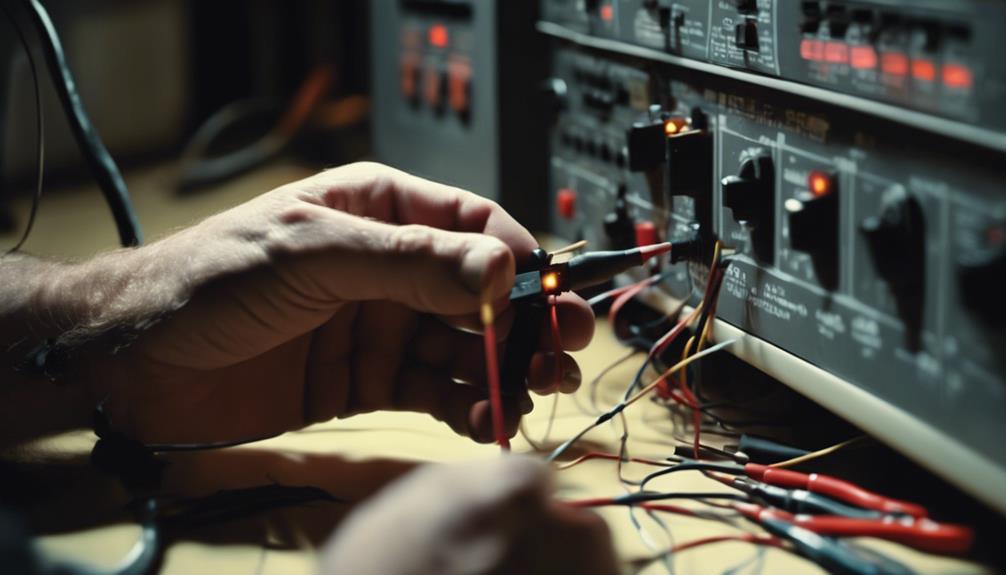
Electrical maintenance often tackles issues like wiring faults, circuit breaker malfunctions, and lighting system failures. These problems can lead to power outages, equipment damage, and safety hazards, causing significant disruptions to your daily operations. Addressing these issues promptly is essential for maintaining the efficiency and reliability of your electrical systems.
Here are three common maintenance issues you might encounter:
- Wiring Faults: Over time, electrical wiring can degrade, leading to shorts, exposed wires, and potential fire hazards. Regular inspections help you identify faulty wiring before it becomes a serious problem.
- Circuit Breaker Malfunctions: Circuit breakers are designed to protect your electrical system from overloads. When they malfunction, they can result in frequent trips or undetected overloads that could damage your equipment or cause fires.
- Lighting System Failures: Faulty lighting affects visibility and can pose safety risks. Regular maintenance ensures lighting systems function correctly, preventing workplace accidents and reducing energy costs.
Scheduling and Record-Keeping
Scheduling regular maintenance and keeping detailed records is crucial to maintaining the smooth operation of your electrical systems. Establishing a routine for electrical maintenance guarantees timely inspections and necessary repairs. This proactive approach helps prevent unexpected breakdowns, maximizing the longevity of your equipment.
Efficient scheduling means you’ll know exactly when each component of your system needs attention, reducing the risk of overlooked issues. Meanwhile, meticulous record-keeping tracks the maintenance history, upcoming tasks, and the overall condition of your equipment.
This documentation not only aids in planning future maintenance but also ensures adherence to regulations and standards for electrical systems. Detailed records can be invaluable for audits or regulatory inspections, providing evidence that your electrical systems are well-maintained.
Additionally, having a thorough log of past maintenance activities helps identify recurring issues, allowing for more effective problem-solving.
Choosing the Right Service Provider

Choosing the correct service provider is crucial for guaranteeing your electrical systems remain safe and efficient. It would be best to focus on several key factors to make the right choice. First, always prioritize service providers with licensed professionals. Licensed professionals know electrical codes and regulations, guaranteeing your systems comply with industry standards.
Here are three key points to keep in mind when selecting an electrical service provider:
- Range of Services: Look for companies offering various services, such as digital communication, generator maintenance, and lighting system repairs. This versatility ensures they can handle all your electrical needs.
- Preventative Maintenance: Choose a provider experienced in preventative electrical maintenance. They can identify and address problems early, saving you time and money in the long run.
- Emergency Services: Prioritize service providers who offer 24/7 emergency electrical repair services. This ensures you’ll have immediate assistance when unexpected issues arise.
Additionally, always check for proper licensing and certifications. This guarantees the service provider meets industry standards and requirements, giving you peace of mind.
Conclusion
To wrap up, don’t overlook the significance of regular electrical maintenance. By prioritizing it, you’re guaranteeing safety, enhancing efficiency, and extending the lifespan of your electrical systems.
Whether you opt for professional services or take on some tasks, always follow safety precautions and keep thorough records. With the right approach, you can avoid costly repairs and ensure everything runs smoothly.
Remember, a well-maintained electrical system is key to a safe and efficient environment.
FAQs
1. What is electrical maintenance?
Electrical maintenance involves regularly inspecting, testing, and servicing electrical systems and equipment to ensure they operate safely and efficiently. This includes checking wiring, circuits, and electrical components for wear and tear.
2. Why is regular electrical maintenance important?
Regular electrical maintenance prevents hazards such as electrical fires, equipment failures, and costly repairs. It ensures the longevity and reliability of electrical systems, enhances safety, and improves energy efficiency.
3. What are some best practices for electrical maintenance?
Best practices for electrical maintenance include scheduling regular inspections, keeping records of maintenance activities, using proper tools and protective equipment, and hiring qualified electricians for complex tasks. Additionally, staying updated with electrical codes and standards is essential for compliance and safety.
4. How often should electrical systems be inspected?
The frequency of electrical inspections depends on the type and usage of the system. Generally, residential systems should be inspected every 3 to 5 years, while commercial and industrial systems may require annual inspections. High-risk environments might need more frequent checks.
5. What are common signs that electrical maintenance is needed?
Flickering lights, frequent circuit breaker trips, overheating outlets, burning smells, and unusual noises from electrical components are common signs that electrical maintenance is needed. Addressing these signs promptly can prevent serious issues and ensure system safety.
6. How can I ensure electrical maintenance is done properly?
To ensure electrical maintenance is done properly, hire licensed and experienced electricians, follow a maintenance schedule, and use high-quality materials and tools. Regularly updating your knowledge of electrical safety practices and standards also helps maintain a safe electrical environment.