Understanding Shunt Motor: A Guide to Its Versatility and Power
In electrical engineering, shunt motors are fundamental components pivotal in various industries. Their versatility makes them indispensable, from industrial machinery to household appliances. In this comprehensive guide, we delve into the intricacies of shunt motors, exploring their functionality, applications, advantages, and more.
What is a Shunt Motor?
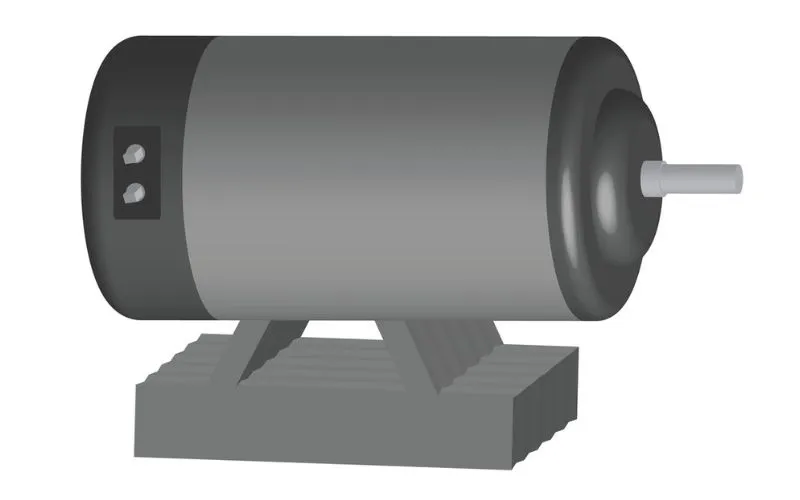
A shunt motor is a direct current (DC) motor characterized by the parallel connection of its field winding and armature winding, hence the term “shunt.” This configuration allows the motor to maintain a nearly constant speed regardless of variations in the load. Shunt motors are widely utilized in applications where consistent speed regulation is crucial, such as conveyors, lifts, and machine tools. The inherent design of shunt motors makes them suitable for tasks requiring steady operation over extended periods.
How Shunt Motors Work
Shunt motors operate based on the principle of electromagnetic induction. When an electric current flows through the armature winding, it generates a magnetic field that interacts with the magnetic field produced by the field winding. This interaction creates a torque that drives the rotation of the motor’s armature. The following points elucidate the key aspects of how shunt motors work:
- Electric current is supplied to the armature winding through the commutator and brushes.
- The current flowing through the armature winding creates a magnetic field, inducing motion.
- Simultaneously, the current flowing through the field winding generates a magnetic field that interacts with the armature’s magnetic field.
- The interaction between these magnetic fields produces the torque necessary for the rotation of the motor.
- The speed of the motor is regulated by adjusting the voltage applied to the armature or field winding, enabling precise control over its operation.
Understanding these fundamental principles is essential for engineers and technicians working with shunt motors, as it forms the basis for efficiently utilizing and troubleshooting these devices.
Components of a Shunt Motor
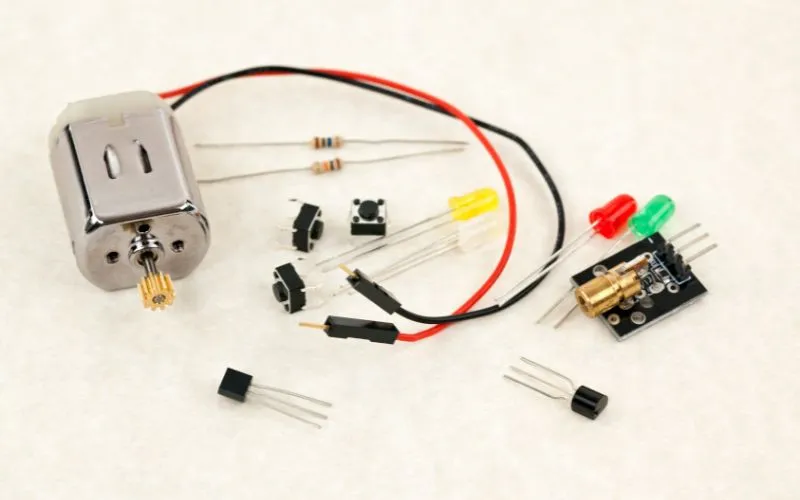
Shunt motors consist of several essential components, each playing a crucial role in their operation. Understanding these components is fundamental to grasping their function effectively.
Armature
The armature is the shunt motor’s rotating part, where electrical energy is converted into mechanical energy. It comprises a core, windings, and a commutator, facilitating the generation of rotational motion.
Field Windings
Field windings produce the magnetic field within the shunt motor. They are connected in parallel with the armature in shunt motors, allowing for consistent speed regulation and stable operation.
Commutator
The commutator is a segmented metal ring mounted on the armature shaft. Its primary function is to ensure the flow of current in the armature windings remains unidirectional, facilitating the motor’s continuous rotation.
Brushes
Brushes are conductive contacts that maintain electrical contact with the commutator segments. They deliver electric current to the armature windings, enabling the conversion of electrical energy into mechanical energy.
Shaft
The shaft of a shunt motor serves as the mechanical link between the motor and the external load. It transfers the rotational motion generated by the motor to the connected machinery or equipment, facilitating their operation.
Housing
The housing encloses and protects the shunt motor’s internal components. It provides mechanical support, insulation and safeguards against environmental factors such as dust, moisture, and vibrations.
Understanding the functions and interplay of these components is essential for comprehending the operation and maintenance of shunt motors in various industrial and commercial applications.
Applications of Shunt Motors

Shunt motors are widely used across various industries due to their unique advantages and versatility. Understanding their diverse applications is essential for identifying opportunities for their deployment.
- Industrial Machinery: Shunt motors power conveyor belts, pumps, compressors, and other machinery requiring constant speed operation.
- Transportation: Shunt motors drive electric trains, trams, and trolleys due to their ability to maintain speed under varying loads.
- Household Appliances: Vacuum cleaners, blenders, and food processors often utilize shunt motors for their consistent performance.
Advantages of Shunt Motors
Shunt motors offer several distinct advantages that make them highly desirable for various applications. Understanding these advantages is crucial for engineers and designers when selecting the appropriate motor for their needs.
Speed Regulation
One of the primary advantages of shunt motors is their ability to maintain nearly constant speed, irrespective of variations in the applied load. This inherent speed regulation makes them ideal for applications where consistent operation is paramount.
Simple Construction
Shunt motors boast a relatively simple construction compared to other DC motor types. With fewer components and straightforward assembly processes, shunt motors are easier to manufacture and more cost-effective.
Wide Range of Speeds
Shunt motors exhibit versatility in terms of speed control, allowing them to operate over a wide range of speeds. This flexibility makes them suitable for applications requiring variable speeds to accommodate different operating conditions.
Durability and Reliability
With proper maintenance, shunt motors are known for their durability and reliability. Their robust design ensures prolonged operational life, reducing downtime and maintenance costs in industrial settings.
A Comparison of Shunt Motors with Other Types
| Criteria | Shunt Motors | Series Motors | Compound Motors |
|---|---|---|---|
| Speed Regulation | Consistent speed | Speed varies with the load | Variable speed |
| Construction | Simple | Simple | Complex |
| Speed Range | Wide | Limited | Wide |
| Starting Torque | Moderate | High | High |
| Applications | Various industrial | Traction, hoists, etc. | Industrial, traction |
This table concisely compares shunt motors with other DC motors, highlighting their unique characteristics and suitability for applications.
Conclusion
FAQs
What are the main differences between shunt motors and series motors?
Shunt motors have their field windings connected parallel to the armature, resulting in consistent speed regulation. In contrast, series motors have their field windings connected in series with the armature, providing high torque at low speeds but with speed variations based on load.
How can I control the speed of a shunt motor?
You can control the speed of a shunt motor by adjusting the voltage applied to either the armature or the field winding. You can adjust this using a variable resistor or electronic speed control techniques like pulse-width modulation (PWM).