A Deep Dive into the World of Electrical Machines
What are Electrical Machines?
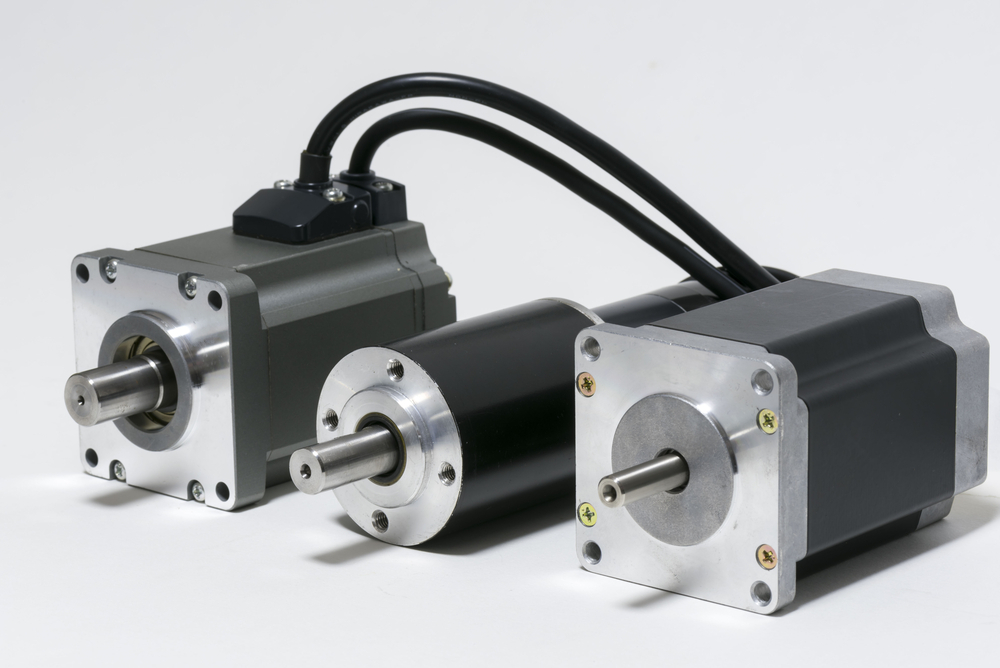
Electrical machines convert electrical energy into mechanical energy or vice versa. They are fundamental components in various applications, such as power generation, transportation, and manufacturing. The two primary types of electrical machines are motors (converting electrical energy to mechanical energy) and generators (converting mechanical energy to electrical energy).
Components of Electrical Machines
To comprehend the functioning of electrical machines, it’s essential to familiarize oneself with their key components:
Stator and Rotor
- Stator: The stationary part of the machine that generates a magnetic field.
- Rotor: The rotating part that interacts with the magnetic field, inducing motion.
Windings
- Armature Windings: Convert electrical energy into magnetic energy.
- Field Windings: Establish a magnetic field within the machine.
Commutator or Slip Rings
- Commutator (DC Machines): Reverses the current direction in the armature windings.
- Slip Rings (AC Machines): Allow continuous current flow to the rotor.
Types of Electrical Machines
Electrical machines can be broadly categorized into four types:
DC Machines
Direct current (DC) machines have been integral to various applications, offering stability and constancy in voltage. This section delves into the nuances of DC motors and generators, shedding light on their widespread usage.
AC Machines
Alternating current (AC) machines dominate the electrical landscape, powering our homes and industries. Here, we unravel the complexities of AC motors and generators, showcasing their prevalence and adaptability.
Synchronous Machines
Synchronous machines play a crucial role in large-scale power generation, maintaining synchronization with the grid frequency. This section explores their intricate design and applications in precision power systems.
Asynchronous Machines
Applications of Electrical Machines
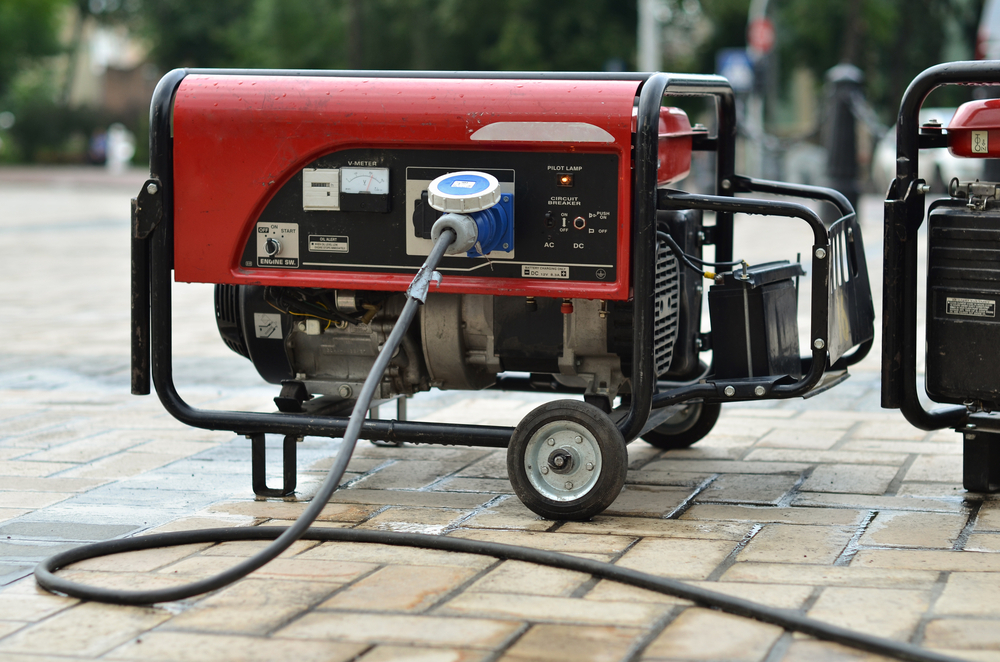
Electrical machines find applications in diverse fields, powering many devices and systems. Here are some notable applications:
Power Generation
Electrical generators are the backbone of power plants, converting mechanical energy into electrical energy. They form the core of both traditional and renewable energy sources.
Transportation
Electric motors drive various modes of transportation, including electric vehicles, trains, and ships. Their efficiency and environmental friendliness make them crucial in pursuing sustainable transportation.
Industrial Machinery
Electric motors power various industrial equipment, ranging from conveyor belts to robotic systems. Their versatility and controllability contribute to increased efficiency and productivity.
Household Appliances
Electrical machines are integral to numerous household appliances, from refrigerators to washing machines, making our daily lives more convenient and comfortable.
Advancements in Electrical Machines
As technology advances, so do electrical machines. Here are some cutting-edge developments in the field:
High-Efficiency Motors
New materials and design optimizations have led to developing high-efficiency motors, reducing energy consumption and environmental impact.
Smart Motor Control
Integrating IoT (Internet of Things) technologies allows for remote monitoring and control of electrical machines, enhancing efficiency and predictive maintenance.
Superconducting Generators
Superconducting materials enable the construction of generators with minimal energy loss, revolutionizing power generation efficiency.
The Future Landscape of Electrical Machines
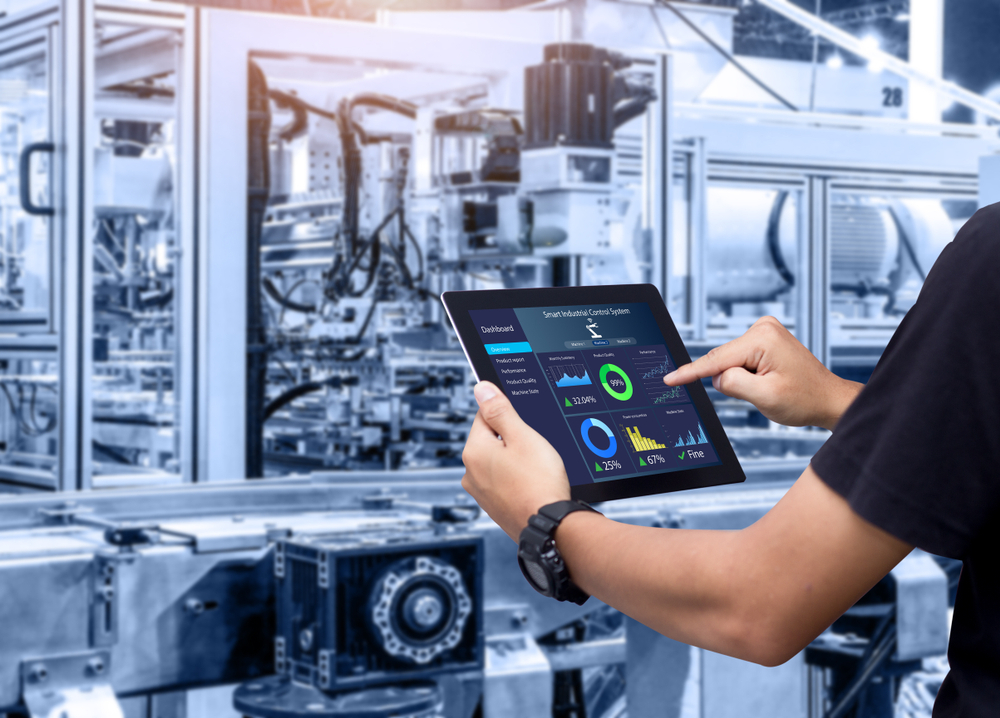
The rapid pace of technological evolution promises exciting developments in the future of electrical machines. Researchers and engineers are exploring innovative concepts and materials to push the boundaries of efficiency, sustainability, and functionality.
Energy Harvesting
Efforts are underway to integrate energy harvesting technologies into electrical machines, allowing them to harness and utilize ambient energy sources. This could potentially reduce dependency on traditional power sources and increase the sustainability of various applications.
Artificial Intelligence Integration
Fusing electrical machines with artificial intelligence (AI) is a burgeoning field. Smart algorithms can optimize the performance of motors and generators, leading to more efficient operation and predictive maintenance strategies.
Quantum Technologies
Revolutionizing the design and efficiency of electrical machines, Quantum Technologies holds immense promise. Quantum computing may enable faster, more accurate simulations, leading to the development of highly optimized machines with unprecedented performance.
Conclusion
FAQs
1. How do electrical machines contribute to energy efficiency?
Electrical machines, particularly modern high-efficiency motors, enhance energy efficiency. They contribute significantly to sustainable and eco-friendly practices by minimizing energy wastage during conversion processes. The advancement of materials and design optimizations has led to machines that operate with reduced energy consumption, aligning with global efforts for a greener future.
2. What challenges do superconducting generators address in power generation?
Superconducting generators address key challenges associated with energy loss in conventional generators. Implementing superconducting materials reduces resistance, enabling generators to operate with minimal energy dissipation. This breakthrough technology enhances the overall efficiency of power generation and marks a significant stride towards more sustainable and economical energy solutions.