Diving into Diac: Masters of Bidirectional Current in AC Circuits
In the dynamic realm of electronics, diodes play a pivotal role in shaping the behavior of electric circuits. Among these, the diac, or diode for alternating current, emerges as a distinctive component with unique properties. In this comprehensive guide, we embark on a journey to unravel the intricacies of diacs, exploring their functionality, applications, and the critical role they play in enhancing the efficiency of alternating current (AC) systems. As we delve into the depths of diac technology, we aim to clearly understand how these bidirectional devices contribute to various electronic applications, from light dimming to AC voltage regulation.
What is a Diac?
Diac, derived from “diode for alternating current,” is a specialized semiconductor device that facilitates bidirectional conductivity in electronic circuits. Structurally, it consists of two layers of semiconductor material connected by a shared intrinsic layer. This shared layer is pivotal in allowing the diac to switch between a high-resistance state to a low-resistance state based on the applied voltage.
Diacs are distinctive for their ability to conduct electric current in both directions, making them particularly well-suited for alternating current (AC) applications. This bidirectional functionality distinguishes diacs from unidirectional diodes, enabling precise control over the timing and intensity of the current flow.
How Does a Diac Work?
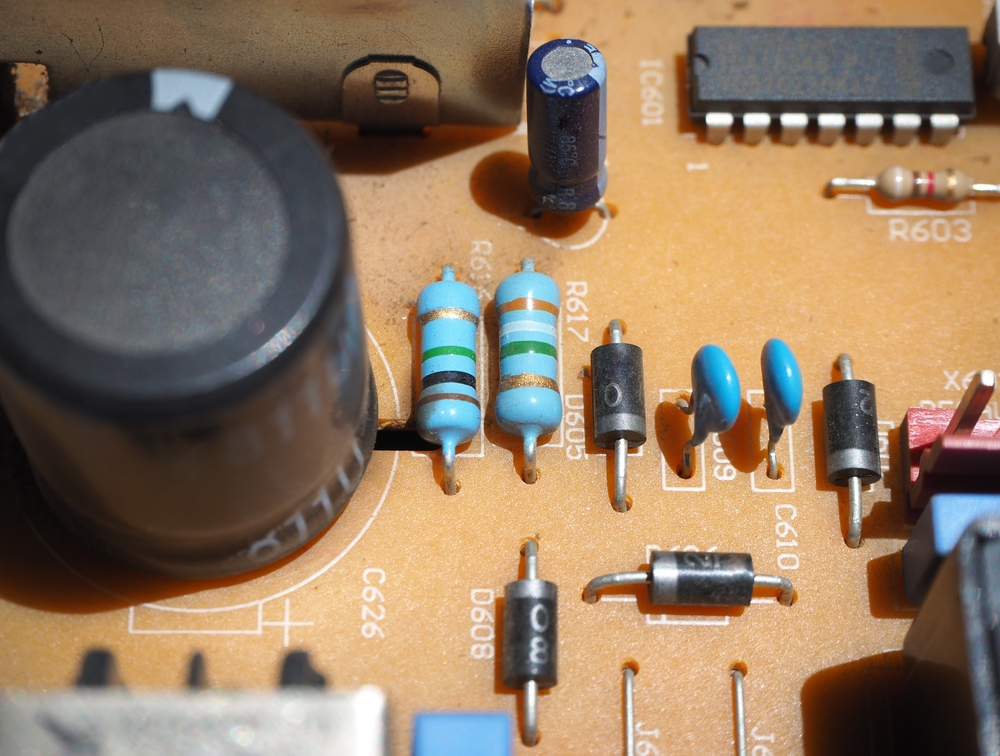
The operational principle of a diac involves the interaction of voltage, breakdown, and conductivity. When a voltage is applied across the diac, it remains non-conductive until it surpasses a critical threshold known as the breakdown voltage. The diac transitions into a conductive state at this point, allowing the current to flow in both directions.
The transition from non-conductive to conductive states occurs due to the avalanche breakdown in the intrinsic layer of the diac. This unique behavior makes diacs effective as trigger devices in AC circuits, enabling precise control over the current waveform. Once triggered, the diac remains conductive until the voltage drops below a certain threshold, at which point it returns to a high-resistance state.
Understanding the intricate workings of diacs is essential for engineers and electronic enthusiasts seeking to leverage their bidirectional conductivity in various applications, ranging from light-dimming circuits to AC voltage regulation.
Applications of Diacs
Due to their unique characteristics, diacs find applications in various electronic devices and circuits. Let’s delve into some common applications:
Light Dimming Circuits
Diacs are widely used in light-dimming circuits, allowing for precise control over light intensity in residential lighting, theatrical lighting, and stage productions. The bidirectional conductivity of diacs makes them well-suited for adjusting AC power levels.
AC Voltage Regulation
In AC voltage regulation circuits, diacs play a vital role in controlling the timing of the voltage waveform. This is particularly important in applications with a stable AC voltage, such as in power supplies for sensitive electronic equipment.
Pulse Generators
Diacs are employed in pulse generator circuits, where they facilitate the generation of precise pulses for various applications, including communication systems and signal processing.
Characteristics of Diacs
Understanding the characteristics of diacs is crucial for their effective implementation in electronic circuits. Here are some key characteristics:
Breakdown Voltage
The breakdown voltage is the threshold voltage at which the diac transitions from non-conductive to conductive. This parameter is crucial for determining the triggering point of the diac in a circuit.
Holding Current
Holding current is the minimum required to maintain the diac in a conductive state once triggered. It is essential for ensuring stable and continuous operation in a circuit.
Symmetrical Conductivity
One of the unique features of diacs is their symmetrical conductivity, allowing them to conduct current equally in both directions. This bidirectional capability is advantageous in AC applications where the current flow alternates.
Choosing the Right Diac for Your Application
Selecting the appropriate diac for a specific application is crucial for achieving optimal performance. Consider the following factors when choosing a diac:
Breakdown Voltage Range
Different applications may require diacs with varying breakdown voltage ranges. Ensure that the chosen diac’s breakdown voltage aligns with the specific requirements of your circuit.
Holding Current
The holding current should be within the acceptable range for your application to maintain stable conductivity. Verify the diac’s holding current specifications to ensure compatibility.
Temperature Stability
Evaluate the diac’s temperature stability, especially if the circuit operates in fluctuating temperatures. A diac with good temperature stability ensures consistent performance under varying conditions.
Advantages and Limitations of Diac

Diacs, with their unique bidirectional conductivity, offer several advantages that make them indispensable in diverse electronic applications. But, like any electronic component, diacs come with certain limitations. Understanding both the strengths and limitations of diacs is crucial for engineers seeking to harness their full potential in electronic circuit designs.
Advantages
- Bidirectional Conductivity: Diacs can conduct current in both directions, making them suitable for AC applications.
- Precise Triggering: Diacs have a well-defined breakdown voltage, allowing for precise triggering in electronic circuits.
- Versatility: Diacs find applications in various circuits, including light dimming, voltage regulation, and pulse generation.
Limitations
- Sensitivity to Temperature: Diacs’ characteristics can be affected by temperature variations, necessitating careful consideration in certain applications.
- Limited Voltage Range: Diacs are most effective within a specific voltage range, and exceeding this range may lead to improper functioning.
Diac Specifications
| Diac Model | Breakdown Voltage Range | Holding Current Range |
|---|---|---|
| Diac Model A | 25V – 40V | 5mA – 15mA |
| Diac Model B | 35V – 50V | 10mA – 20mA |
| Diac Model C | 45V – 60V | 15mA – 25mA |
| Diac Model D | 55V – 70V | 20mA – 30mA |
This table provides a quick reference for engineers and hobbyists looking to select the most suitable diac for their specific application, considering the breakdown voltage and holding current requirements.
Conclusion
FAQs
What distinguishes a diac from other diodes in terms of functionality?
Diacs stand out due to their bidirectional conductivity, allowing them to conduct electric current in both directions, a unique feature not found in many other diodes.
How does a diac contribute to light-dimming circuits, and what are its advantages in this application?
Diacs play a key role in light-dimming circuits by precisely controlling light intensity. Their bidirectional conductivity allows for effective adjustment of AC power levels, offering flexibility and accuracy in light-dimming applications.
What factors should be considered when selecting a diac for a specific application, and why is temperature stability crucial?
When choosing a diac, factors such as breakdown voltage range, holding current, and temperature stability should be considered. Temperature stability is crucial to ensure consistent performance in environments with varying temperatures, preventing deviations in the diac’s characteristics.