Unveiling the Wonders of Basic Electrical Engineering
Defining Basic Electrical Engineering
Basic Electrical Engineering encompasses the fundamental principles governing electrical energy behavior and manipulation. It forms the cornerstone for various engineering disciplines, providing the necessary groundwork for more advanced electronics, power systems, and telecommunications studies.
Key Concepts in Basic Electrical Engineering
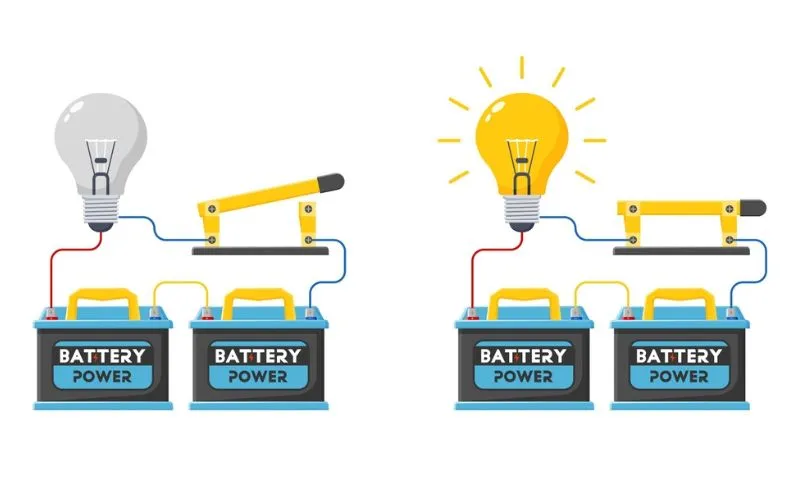
Basic Electrical Engineering encompasses fundamental principles such as Ohm’s Law and knowledge of essential circuit components like resistors, capacitors, and inductors.
Ohm’s Law and Circuit Analysis
Ohm’s Law is the bedrock of electrical engineering. Understanding the voltage, current, and resistance relationship is crucial for analyzing and designing electrical circuits. Here’s a breakdown:
Ohm’s Law Formula:
�=��
- Voltage (V): The potential difference across a component.
- Current (I): The flow of electric charge through a conductor.
- Resistance (R): The opposition to the flow of current.
Example:
Let’s say we have a resistor with �=10 ohms and �=2 amperes. Using Ohm’s Law, we can find the voltage (�): �=2 A×10 Ω=20 V
Basic Circuit Components
Understanding the properties and applications of basic circuit components is essential. Here are some key components:
- Resistors: Control the flow of current.
- Capacitors: Store and release electrical energy.
- Inductors: Store energy in a magnetic field.
- Diodes: Permit the flow of current in one direction.
- Transistors: Amplify and switch electronic signals.
DC and AC Circuits
Direct Current (DC) and Alternating Current (AC) circuits are foundational concepts in basic electrical engineering. DC circuits maintain a constant current flow in a single direction, making them ideal for applications like battery-powered devices. On the other hand, AC circuits undergo periodic changes in current direction, facilitating efficient power transmission over long distances. Understanding the distinctions between these two circuit types is essential for engineers, as it influences the design and functionality of electronic systems and power distribution networks.
Practical Applications

Basic electrical engineering’s practical applications extend to power systems, electronics, troubleshooting, ensuring a stable and efficient supply, designing digital systems, and maintaining electrical system reliability.
Power Systems and Energy Distribution
Basic Electrical Engineering extends its influence into power systems. Understanding electrical power generation, transmission, and distribution is crucial for ensuring a stable and efficient supply.
Power System Components:
| Component | Function |
|---|---|
| Generators | Convert mechanical energy to electrical energy. |
| Transformers | Alter voltage levels for efficient transmission. |
| Transmission Lines | Transmit electrical power over long distances. |
| Distribution Networks | Deliver electricity to end-users. |
Electronics and Digital Systems
Basic electrical engineering provides the groundwork for understanding electronics and digital systems. In electronics, components like transistors, diodes, and integrated circuits play a pivotal role. These components form the building blocks of digital systems, such as microcontrollers and processors. Digital systems, in turn, enable the development of advanced technologies, from computers to sophisticated communication devices. A solid grasp of basic electrical engineering principles is crucial for engineers venturing into the dynamic and rapidly evolving field of electronics.
Challenges in Basic Electrical Engineering
Emerging Trends and Technologies

Renewable Energy Integration
Integrating renewable energy sources, such as solar and wind, is a pivotal aspect of modern electrical engineering. Engineers leverage basic electrical principles to design systems that efficiently harness and integrate renewable energy into existing power grids. From photovoltaic cells converting sunlight into electricity to wind turbines generating clean power, the principles learned in basic electrical engineering lay the foundation for sustainable energy solutions.
Smart Grids and IoT Integration
Power Electronics
Power electronics is a rapidly evolving field that focuses on the efficient conversion and control of electrical power. It finds applications in renewable energy systems, electric vehicles, and high-performance computing.
Applications of Power Electronics:
- Switching Power Supplies: Efficiently regulate and distribute power.
- Motor Drives: Control the speed and torque of electric motors.
- Renewable Energy Converters: Optimize energy extraction from renewable sources.
Machine Learning and Artificial Intelligence in Electrical Systems
Integrating machine learning (ML) and artificial intelligence (AI) is transforming the landscape of electrical engineering. Smart grids use ML algorithms to optimize energy distribution, and AI is employed in the predictive maintenance of electrical systems.
ML and AI Applications in Electrical Engineering:
- Predictive Maintenance: Anticipate and prevent equipment failures.
- Energy Consumption Optimization: Analyze data for efficient energy use.
- Fault Detection and Diagnosis: Identify and address issues proactively.
FAQs
1. What is the significance of Ohm’s Law in electrical engineering?
Ohm’s Law is fundamental in electrical engineering and serves as a cornerstone of circuit analysis and design. It establishes the relationship between voltage, current, and resistance, forming the basis for understanding and manipulating electrical circuits.
2. How do DC and AC circuits differ, and why is it important?
DC circuits have a unidirectional flow of current, while AC circuits undergo periodic changes in direction. Understanding this difference is crucial for designing electronic systems and power distribution networks, as they have distinct applications and characteristics.
3. Why is safety crucial in basic electrical engineering, and what are some essential measures?
Safety is paramount in basic electrical engineering to prevent accidents and hazards. Essential safety measures include proper grounding, insulation, and adherence to electrical codes. These measures protect individuals and equipment from potential dangers associated with electrical systems.