Diesel Power Plant: A Guide to Construction and Maintenance
Understanding the intricacies of constructing and maintaining a Diesel Power Plant is like climbing engineering Everest. But what if it doesn’t have to be? Embarking on this journey, we’ll unlock the secrets of these technological giants, simplify complex principles into digestible nuggets of knowledge, and equip you with the insight to appreciate or even manage your Diesel Power Plant. Rethink what you know about Diesel Power Plants as we delve deep beneath the surface of these industrial stalwarts.
A diesel power plant is a thermal power generation facility that uses diesel engines to produce electricity through compression ignition. The diesel engine’s mechanical energy is connected to an electrical generator, converting it into electrical energy. Diesel power plants have versatile applications in various sectors, such as industrial facilities, hospitals, data centers, ships, and remote off-grid locations, due to their reliability and ability to provide a continuous power supply.
A Diesel Power Plant is a power station that uses diesel generator sets as a power source to generate electricity. It is commonly used in places with limited access to the power grid, such as construction sites or during power shortages. It converts fuel into mechanical energy using an engine, which drives an alternator to produce electric output. Diesel plants vary in types, units, and voltage. Their advantages include mobility, fast setup, and reliable output, while their disadvantages include high fuel consumption and price. These stations support infrastructure and serve as a backup in many critical cases.
Components of a Diesel Power Plant
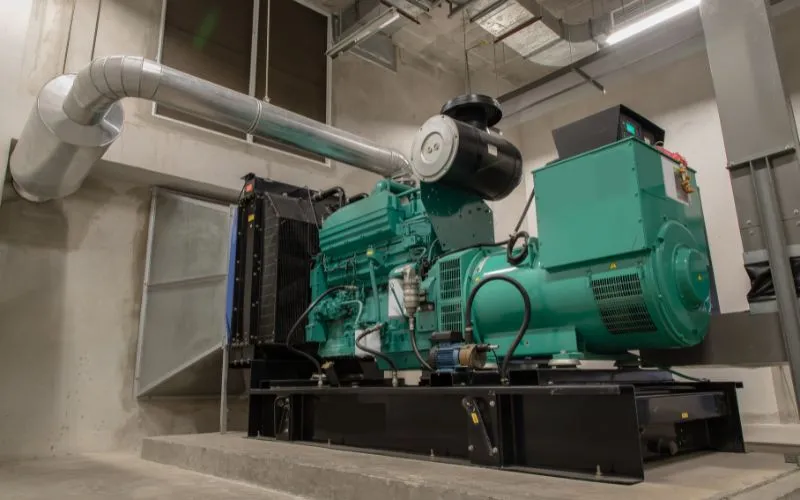
Diesel power plants are essential for industrial production, hospital operations, ships, remote off-grid locations, and other applications where utility power might not reach. In simple terms, a diesel power plant generates electricity by using diesel fuel to convert mechanical energy into electrical energy. At the core of the diesel power plant are these major components: diesel engine, generator, fuel storage tanks, and control systems.
The purpose of these components is to work together harmoniously to generate electricity when connected with load circuits either directly or through transformers.
- Diesel power plants account for roughly 18% of global electricity generation capacity.
- According to Environment Canada, diesel engines used primarily in power generation can emit up to 75% fewer emissions than older models, thanks to advancements in emission control technologies.
- A U.S. Department of Energy report states that modern diesel power plants have efficiency rates over 40%, significantly higher than their counterparts a few decades ago.
Main Engine and Generator Role
The main engine and generator are undoubtedly the most important components in a diesel power plant. The diesel engine is the heart of a diesel power plant and operates on compression ignition. It burns fuel to create heat, producing gases that propel pistons linked to rotational motion. This mechanical energy produced by the engine rotates a shaft attached to an electric generator.
The electrical generator used in a conventional diesel power plant uses electromagnetic induction principles to convert mechanical energy into electrical energy. Rotational motion from the main engine causes magnets of copper coils to spin within a magnetic field, producing alternating current (AC) fed into transformers.
Regular maintenance and lubrication are necessary for the longevity and reliability of all components, but crucially so for these two primary components. They require tests like oil analysis, fuel analysis, internal bore scoping, turbocharger condition tests, etc., to keep them running optimally.
For instance, one issue commonly encountered in diesel engines is overheating caused by malfunctioning cooling systems that damage piston rings and cylinder liners. These damages can be caught early on with regular maintenance tests.
Fuel Storage and Control System
A fuel storage system in a diesel power plant is essential for the efficient operation of the facility. Diesel fuel is stored in tanks, ranging from small capacities for emergency backup generators to much larger ones that can provide several days or even weeks of uninterrupted operation.
But how does the control system come in handy?
The control system controls the fuel flow from the tank and ensures it synchronizes with the engine’s demand. This synchronization helps maintain the engine’s speed, ensuring efficiency and smooth operations. The control systems monitor various parameters, including fuel levels, pump operations, temperature, and pressure.
Modern control systems include programmable logic controllers (PLCs), human-machine interfaces (HMIs), and supervisory control and data acquisition (SCADA) systems that enable real-time monitoring of critical parameters. Such advanced systems are necessary for increasing efficiency while maintaining reliability.
For example, an HMI operator can receive alarms on their screens if there’s any fault or irregularity in fuel flow or level – they could then take immediate action to rectify the problem before it leads to more significant issues.
The control system in the fuel storage system of a diesel power plant plays a crucial role in ensuring efficient and smooth operations. It controls the fuel flow from the tanks and synchronizes it with the engine’s demand, maintaining its speed and efficiency. Modern control systems utilize advanced technologies like PLCs, HMIs, and SCADA systems for real-time monitoring of critical parameters. These systems enable operators to receive alarms and take immediate action in case of faults or irregularities, ensuring reliability and preventing potential issues.
Construction of a Diesel Power Plant
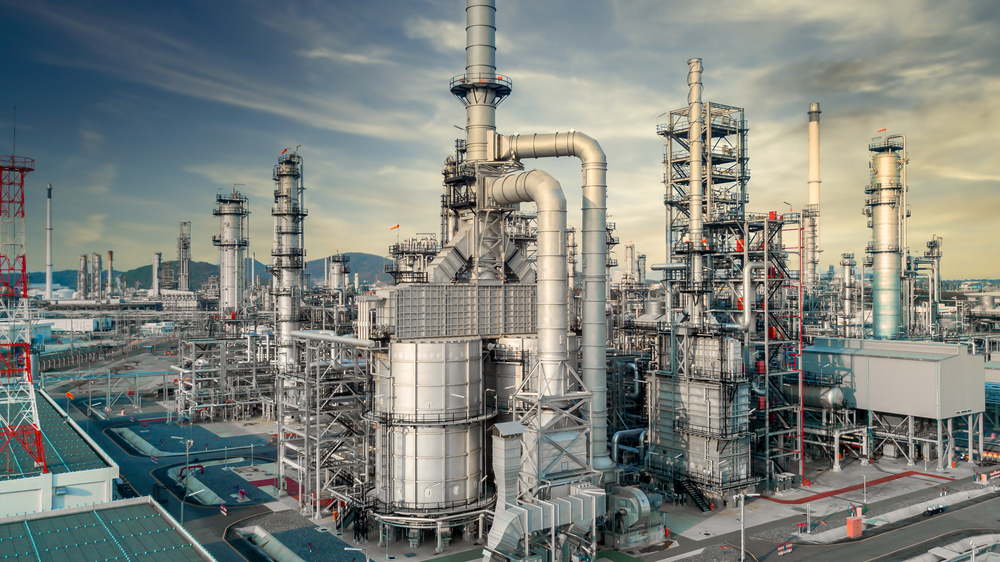
Certain steps must be followed to construct a diesel power plant facility. First, determine your energy requirements – this will influence what kind of generators you’ll require to fit your specific needs. After determining your energy requirements, obtain all necessary permits from local authorities before starting construction.
Next is foundation construction; this step involves excavating a trench where pipes and cables carrying electricity will be laid later. After pouring concrete into the trench and fitting reinforcing steel bars or mesh inside the trench walls, you’ll wait for the concrete to cure before erecting steel or metal frames.
Once frames have been erected, which serve as support structures for equipment such as engines or turbines, install piping systems that run through these frames carrying coolant fluids, fuel, and waste products such as diesel exhaust.
After piping systems have been installed, generators can be mounted onto their frames according to the manufacturer’s instructions. Electrical wiring installation follows shortly after mounting the generators, ensuring everything is properly connected and grounded.
The final step is testing; this stage includes checking all equipment for functionality issues, such as leaks or malfunctions. After successful testing, permits are obtained before the diesel power plant is commissioned into full operation.
Now that we’ve established the fundamental steps necessary for a diesel power plant’s construction, we must consider several critical considerations.
Key Considerations
Diesel power plants have become essential for several sectors that demand reliable and uninterrupted energy supply. Before embarking on a diesel power plant construction project, one must consider several factors to ensure optimal performance and longevity. Firstly, it’s imperative to evaluate the energy requirements that the plant needs to meet. Secondly, obtaining permits, conducting environmental impact assessments, and compliance with emissions regulations should be factored in during the planning stage. Additionally, fuel storage and availability, cooling systems, and compatibility of engine-generators with electrical loads should form vital considerations.
| Key Considerations |
| Energy requirements |
| Permits and environmental impact assessments |
| Compliance with emissions regulations |
| Fuel storage and availability |
| Cooling systems |
Timeframe and Stages
The construction of a diesel power plant is a massive undertaking and can take anywhere from six months to several years, depending on capacity and complexity. The general stages involved in this process include site preparation, installation of generators, fuel storage systems, exhaust treatment systems, cooling systems (and sometimes heating), monitoring equipment installation with wiring installed throughout the facility (for monitoring purposes), among other components. Construction times are not limited to these aspects and could vary based on project plans.
The first stage of constructing a diesel power plant involves site preparation by clearing trees or existing structures. Once the location has been cleared up, the excavation can begin, which could take a few weeks or months, depending on the earth-moving equipment used.
After preparing the site groundwork, generators and their respective control systems should be installed, as they represent the backbone of any diesel power plant. Generators should then be tested thoroughly before tapping them into an electrical supply.
Fuel storage tanks should be constructed next if there aren’t any already present or new ones are required to expand capacity. Fuel storage tanks require specialized delivery for a clean environment and proper safety measures.
Cooling systems should be subsequently introduced, as these are integral in preventing overheating of the diesel engine. Lastly, exhaust treatment systems are installed to mitigate harmful environmental impacts from the plant’s operation.
Depending on the manufacturer’s recommendations, this facility may require staged maintenance procedures and scheduled lubrication.
Routine Maintenance and Lubrication
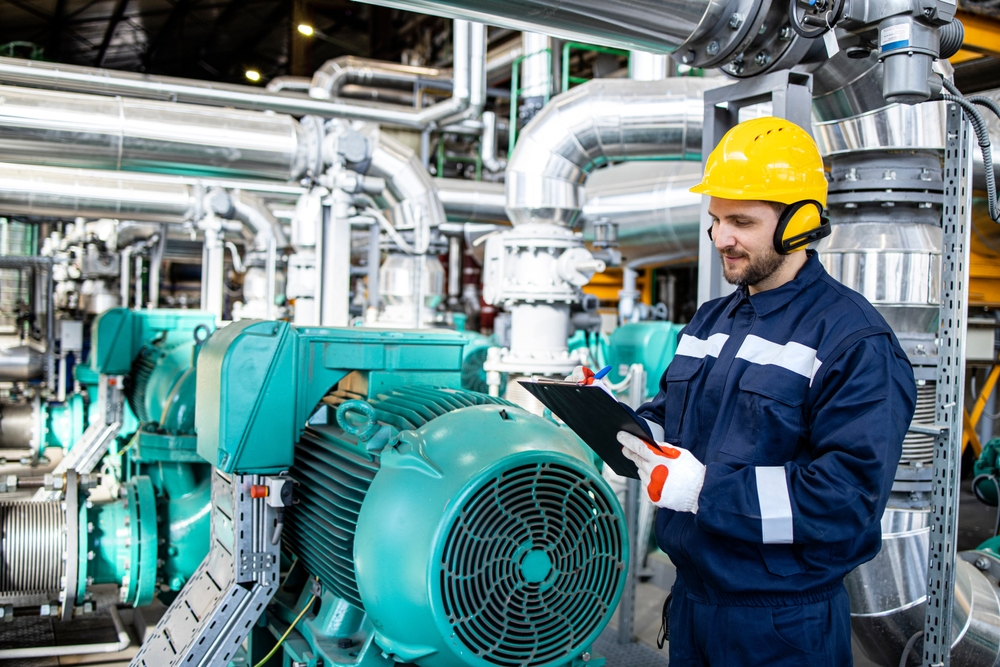
Diesel power plant components require regular maintenance to ensure smooth operation, like any other mechanical system. A professional servicing the diesel engine must adhere to strict guidelines to prevent accidents or malfunctions. This includes keeping the combustion chambers clean and regularly inspecting fuel filters, blowers, nozzles, and ignition systems. Regular lubrication of the engine room is equally important, which involves inspecting auxiliary systems and monitoring oil levels in various parts of the machine.
Consider this much like taking your car for routine maintenance – every few thousand kilometers, you have your oil changed, belts, and filters checked, among other things. Routine maintenance is conducted to increase efficiency while reducing wear and tear that could result in costly repairs.
Importance of Longevity
Proper routine maintenance and lubrication for diesel power plants are vital for prolonging their life cycle. It increases efficiency and minimizes breakdowns that can be time-consuming and costly.
For instance, a small leak in the engine’s oil reservoir could damage the entire machine if not promptly addressed during routine checks. Similarly, exhaust systems are designed to operate within specific temperature ranges to minimize pollutant emissions (as mentioned in the previous section). However, due to critical engine component failure, a lack of care or proper routine maintenance could cause excess heat buildup, leading to expensive downtime.
Keeping up with regular inspection regimes helps identify any defects or areas that may require cleaning before they escalate into significant issues. For example, one could use an infrared thermometer gun to measure temperatures on exhaust piping to avoid overheating incidents that come with costly replacements.
By investing in regular maintenance schedules, companies can keep their diesel power plant operating safely within performance expectations while increasing operational lifespan. Servicing suppliers usually offer schedules based on consumption rates and manufacturers’ specifications.
Thus far, we have looked at how routine maintenance and lubrication are essential to maximize the longevity of diesel power plant components. The next section will delve into emission control and environmental impacts.
Emission Control and Environmental Impact
Diesel power plants are known for their high efficiency, reliability, and versatility. However, the combustion process of diesel engines leads to the emission of pollutants such as nitrogen oxides (NOx), sulfur oxides (SOx), carbon dioxide (CO2), and particulate matter (PM). The environmental impact of these emissions is a significant concern, given their contribution to air pollution and climate change.
Although diesel engines release less carbon dioxide per unit of energy production than gasoline engines, they emit larger amounts of nitrogen oxides and particulate matter. The primary sources of these emissions are fuel combustion in the engine’s cylinders and post-combustion reactions that occur in the exhaust system.
Several initiatives have been implemented to mitigate this environmental effect over the years.
Mitigation Measures and Regulations
Governments across the globe have implemented regulations requiring diesel engines to comply with strict emission standards. These standards limit the emission levels of various pollutants discharged from diesel power plants into the environment. Compliance with these regulations can be achieved through retrofitting existing plants with emission control technologies or introducing cleaner fuels.
National regulations specify a range of mitigation measures for abating emissions from diesel power plants. Possible solutions include installing selective catalytic reduction systems that transform nitrogen oxides into nitrogen gas and water vapor or filtration systems that remove particulate matter from exhaust gases.
Think of it like driving your car; if it releases too much smoke from its tailpipe, you risk getting pulled over by a traffic officer. Similarly, governments play a crucial role in ensuring that operators regulate their plants’ emissions through laws and compliance codes.
To ensure accountability, these regulatory bodies conduct audits to enforce these standards and penalize defaulters who don’t adhere to them.
In addition to governmental regulations, diesel power plant operation teams can take proactive steps to reduce the environmental impact of their plant’s emissions. For instance, organizing regular maintenance schedules for equipment, air and oil filters, exhaust stacks, and fuel injectors. This helps improve plant performance efficiency and mitigate pollutants released into the environment.
Considering this, let’s examine some possibilities for diesel power plants to regulate their emissions.
| Mitigation Measures | Function |
| Exhaust after-treatment systems | Reduce nitrogen oxide (NOx) emissions |
| Ultra-low sulfur diesel fuel usage | Reduction of particulate matter (PM) and sulfur oxides (SOx) emissions |
| Water-emulsified fuels | Decrease PM emissions by transferring heat from combustion to water droplets |
| Engine modification and replacement | Upgrade engines with less potent ones or modify existing engines to lower emissions |