Unveiling the Potential of Solar Energy for a Sustainable Future
Solar energy, often called solar power, is a process of harnessing abundant sunlight and converting it into electricity. This clean and renewable energy source has many applications, from powering our homes and automobiles to supporting various industries.
Harnessing Solar Power
Solar power can be harnessed in two primary ways:
Photovoltaic (PV) Effect
The Photovoltaic effect directly converts sunlight into electricity using specialized solar panels. This technology is commonly seen on rooftops and solar farms, providing a sustainable power source.
Solar Thermal Technology
Another approach involves heating a fluid in a generator through solar energy. When the sun’s heat is applied to the liquid, it generates steam that drives turbines in a generator, ultimately producing electricity. This method is also used in diverse applications.
Challenges in Harnessing Solar Energy
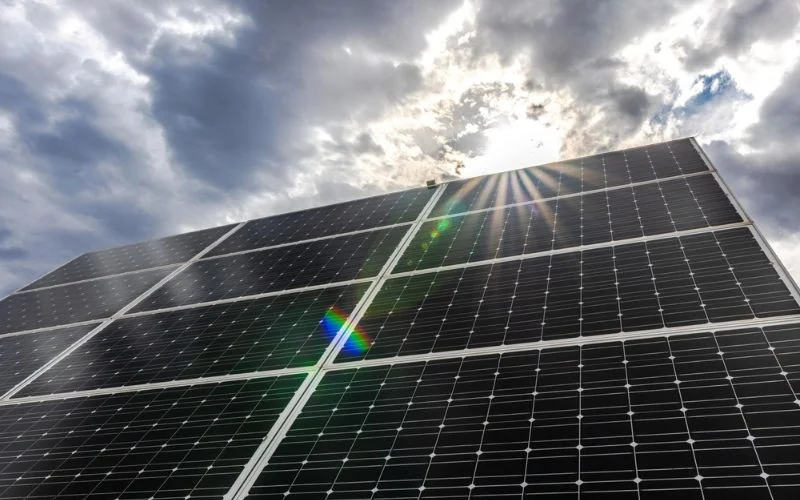
While solar energy holds immense potential, certain challenges can hinder its effectiveness:
Atmospheric Impurities
Atoms in the atmosphere, including dust and pollutants, can reflect sunlight away from the Earth. This can reduce the amount of sunlight reaching the surface, affecting plant and animal life.
Cloud Cover
Clouds can obstruct and absorb solar energy, preventing it from reaching the Earth’s surface. This variability in solar availability can impact its practical use for warmth and electricity generation.
Applications of Solar Energy
Solar energy technologies have been developed for various applications:
Agriculture
Solar energy is utilized in agriculture for irrigation, crop drying, and providing power for farm operations. This reduces reliance on fossil fuels and minimizes carbon emissions.
Solar Lighting
Solar-powered lighting systems are commonly used for outdoor illumination, offering energy-efficient and sustainable alternatives to conventional lighting.
Water Heating
Solar water heaters are an eco-friendly way to provide hot water for homes and industries, reducing the demand for conventional heating methods.
Cooking
Solar cookers use sunlight for cooking, reducing the need for traditional stoves and fuels, especially in areas with limited energy resources.
Heating Homes and Buildings
Solar thermal systems can effectively heat homes and commercial buildings, decreasing the reliance on fossil fuels for heating.
Solar Energy and Environmental Benefits
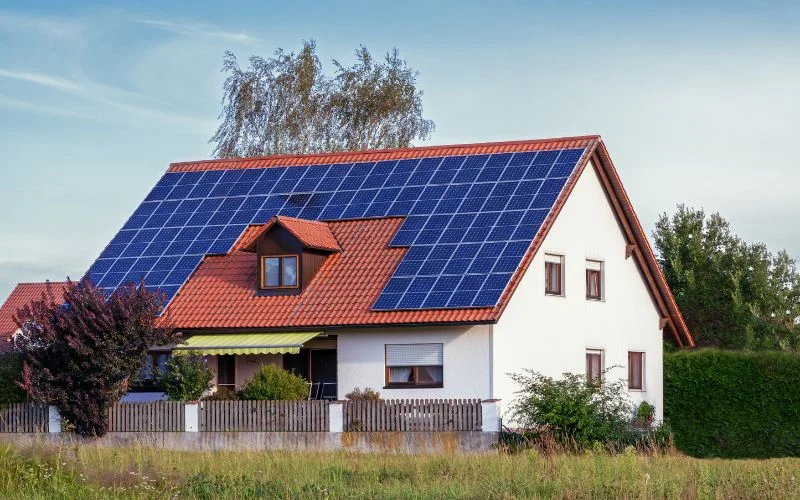
The widespread adoption of solar power can have a significant positive impact on the environment:
- Reduced Fossil Fuel Dependency: Solar power reduces the need for fossil fuels like coal, gas, propane, and oil, leading to lower greenhouse gas emissions.
- Cleaner Environment: With fewer emissions from fossil fuels and reduced factory pollution, the Earth’s environment becomes cleaner, leading to improved air quality.
The Future of Solar-Powered Transportation
As gas prices rise, the automobile industry is exploring alternative fuels. One promising approach is solar-powered vehicles. While hybrid cars are popular, they still rely on gasoline. The ideal car of the future may rely on electricity generated from the sun, with backup electric cell batteries for cloudy days.
Expanding the Reach of Solar Power
Innovations and investments are essential for bringing solar power technologies to the forefront of public use. Solar energy can power any machine with an electric motor, offering a sustainable and cost-effective solution. Communities that transition to solar power enjoy the benefits of clean energy while reducing overall energy costs.
The Cost Factor
It’s important to note that solar power equipment can be expensive initially. However, consumers can recover the initial costs over time through lower energy bills and reduced reliance on traditional energy sources.
Solar Energy in Developing Countries
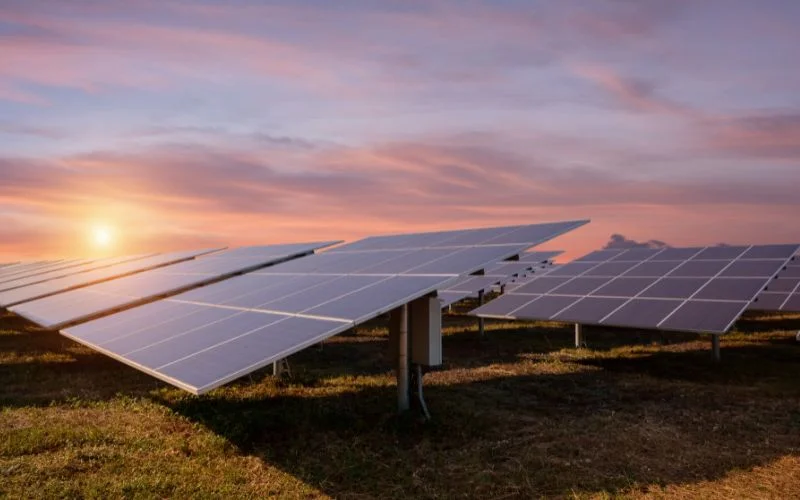
One of the most exciting aspects of solar energy is its potential to provide affordable and sustainable power to developing countries. Solar panels and off-grid systems can bring light and power to homes, schools, and healthcare facilities in regions with limited access to reliable electricity grids.
Advantages in Remote Areas
Solar energy is particularly valuable in remote or rural areas where extending traditional power infrastructure is impractical. It offers a reliable source of electricity for lighting, communication, and basic appliances.
Empowering Communities
Solar power can empower communities by enabling economic development, education, and improved healthcare. It also reduces the dependence on harmful and expensive kerosene lamps or diesel generators.
Solar Energy Policy and Incentives
Governments and organizations worldwide recognize the importance of solar energy in combating climate change and promoting sustainable energy sources. Many countries offer incentives and subsidies to encourage the adoption of solar power.
Net Metering
Net metering allows solar panel owners to sell excess electricity to the grid, providing an additional income stream and further incentivizing solar investment.
Solar Tax Credits
Numerous governments offer tax credits and rebates to reduce the upfront costs of installing solar panels, making it more accessible to homeowners and businesses.
Solar Energy Storage Solutions
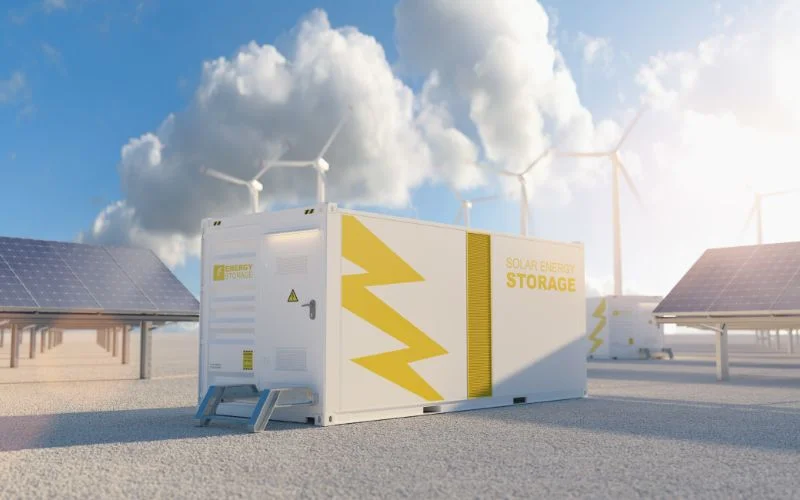
One challenge in maximizing the potential of solar energy is its intermittent nature. The sun isn’t always shining, which can lead to energy shortages during cloudy days or at night. To address this issue, various energy storage solutions have been developed:
Battery Technology
Batteries, such as lithium-ion batteries, are commonly used to store excess energy generated by solar panels. These batteries can then release the stored energy when needed, ensuring a continuous power supply, even when the sun is not shining.
Pumped Hydro Storage
Pumped hydro storage involves using surplus solar energy to pump water to an elevated reservoir. When electricity is needed, the water is released, flowing downhill through turbines to generate electricity. This method provides a large-scale and efficient storage solution.
Molten Salt Energy Storage
Molten salt energy storage systems store heat energy collected from solar panels in molten salt. This stored heat can then produce steam, which drives turbines to generate electricity when required. Molten salt storage is particularly useful for concentrated solar power (CSP) systems.
Conclusion
Solar energy is a clean, renewable, versatile power source with a growing global impact. As technology evolves and costs decrease, solar energy’s potential to reduce our reliance on fossil fuels and mitigate environmental challenges becomes increasingly clear. Embracing solar power today is crucial to a sustainable and cleaner energy future.
FAQs
1. What is the efficiency of solar panels?
The efficiency of solar panels can vary, but modern photovoltaic panels typically have an efficiency of 15% to 20%. However, ongoing research and development aim to improve efficiency, making solar energy more cost-effective.
2. How do solar batteries work?
Solar batteries store excess energy generated by solar panels during the day for use at night or on cloudy days. These batteries use various technologies, such as lithium-ion, to store and discharge electricity efficiently.
3. What are the environmental benefits of solar energy?
Solar energy significantly reduces greenhouse gas emissions, air pollutants, and the overall environmental impact of traditional energy sources. It contributes to cleaner air, water and a healthier planet.