Understanding Over Voltages in Power Systems: Key Insights
Overvoltage’s Impact on Power Systems & Equipment
Power systems cause overvoltages due to external and internal influencing factors. The voltage stress caused by overvoltage can damage the lines and equipment connected to the system.
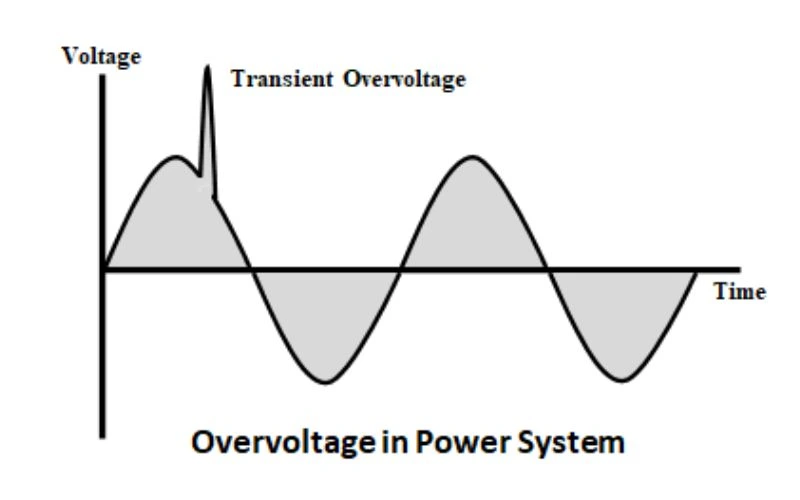
Overvoltages, or voltage surges, pose a significant risk to power systems and electrical equipment. These sudden increases in voltage can lead to equipment damage, malfunctions, and system failures. Understanding the causes and effects of overvoltages is essential for implementing protective measures and ensuring the reliable operation of power systems.
Overvoltages in power systems are abnormal rises in voltage that can damage equipment and disrupt operation. They occur due to lightning strokes, switching operations, or resonance phenomena. The’ nature, magnitude, and duration of these overvoltages vary depending on system operating conditions. Transformers and transmission lines are especially vulnerable, as impulse waves can travel along transmission paths. Harmonics and transformer frequency shifts may amplify overvoltage effects. Understanding the types of overvoltages, such as lightning-induced or switching-induced, is essential. Factors like amplitude, strength, and wave behavior, including reflections and earth interactions, influence their impact and guide system protection strategies.
Causes of Overvoltages
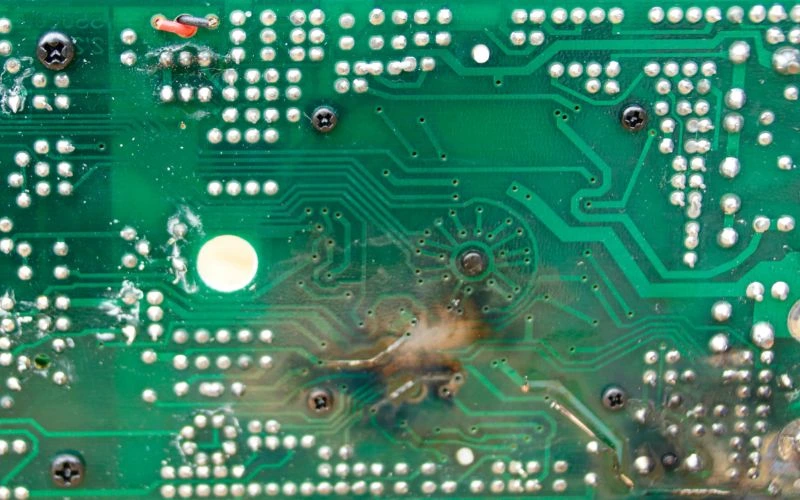
Overvoltages in electrical systems exceeding standard voltage limits stem from lightning strikes, switching operations, faults, short circuits, and rapid load changes. Lightning-induced surges, switching actions, and sudden load alterations can all contribute to transient overvoltages, emphasizing the importance of comprehensive system design for effective mitigation and protection.
Lightning Strikes
- Lightning strikes are a leading cause of overvoltages in power systems.
- Lightning-induced surges can enter power lines directly or induce a voltage in nearby conductors, causing transient overvoltages.
Switching Operations
- Switching operations, such as circuit breaker operations, can generate transient overvoltages.
- Rapid changes in electrical circuits, including opening or closing switches, can result in voltage transients that exceed normal operating levels.
Faults and Short Circuits
- Faults and short circuits in power systems can cause overvoltages.
- When a fault occurs, the sudden interruption of current flow can lead to voltage spikes and overvoltages.
Load Changes
- Rapid changes in loads, such as the sudden disconnection of large loads, can cause voltage transients.
- The sudden removal or addition of loads can result in voltage fluctuations and temporary overvoltages.
Effects of Overvoltages
Overvoltages in power systems can have far-reaching effects. They strain equipment, leading to premature failure and downtime. Insulation breakdown poses safety hazards. Voltage-sensitive devices malfunction, affecting operations. System instability triggers outages, disrupting services. Mitigation is crucial to prevent damage and ensure reliability.
Equipment Damage
- Overvoltages can cause significant damage to electrical equipment.
- Excessive voltage levels can stress insulation systems, leading to insulation breakdown, short circuits, and equipment failure.
Reduced Equipment Lifespan
- Overvoltages can accelerate the aging and degradation of electrical equipment.
- High voltage stress can deteriorate insulation materials, leading to premature equipment failure and reduced lifespan.
Operational Disruptions
- Overvoltages can disrupt the normal operation of power systems and electrical networks.
- Equipment malfunctions and system failures due to overvoltages can lead to power outages, downtime, and operational inefficiencies.
Safety Risks
- Overvoltages pose safety risks to personnel working on or around electrical equipment.
- Voltage surges can cause electrical shocks, fires, and other hazardous conditions, endangering the safety of individuals.
Economic Implications
- Overvoltages can result in substantial financial losses for businesses and utilities.
- Equipment repairs, replacement costs, and operational disruptions due to overvoltages can lead to significant economic impacts.
External Overvoltages
- Direct lightning stroke
- Electromagnetically induced overvoltages due to lightning discharge occur near the’ side stroke line.’
- Atmospheric changes along the line length induce voltages.
- Electrostatically induced voltages are due to the presence of nearby charged clouds.
- Electrostatically induced overvoltages are due to the frictional effects of small particles like dust or dry snow in the atmosphere or changes in the line’s altitude.
Mitigation and Protection Measures
A multifaceted approach to protection measures is crucial to mitigate the risks posed by overvoltages in power systems. Voltage regulators play a pivotal role in maintaining voltage levels within permissible limits. Surge arresters safeguard against transient voltage spikes by providing a low-impedance path for excess energy. Proper grounding and insulation coordination prevent unwanted voltage build-up. Advanced monitoring systems enable real-time detection, allowing for swift intervention. Employing a comprehensive strategy of these mitigation measures ensures the resilience of power infrastructure and reduces the potential for disruptive consequences.
Surge Protection Devices (SPDs)
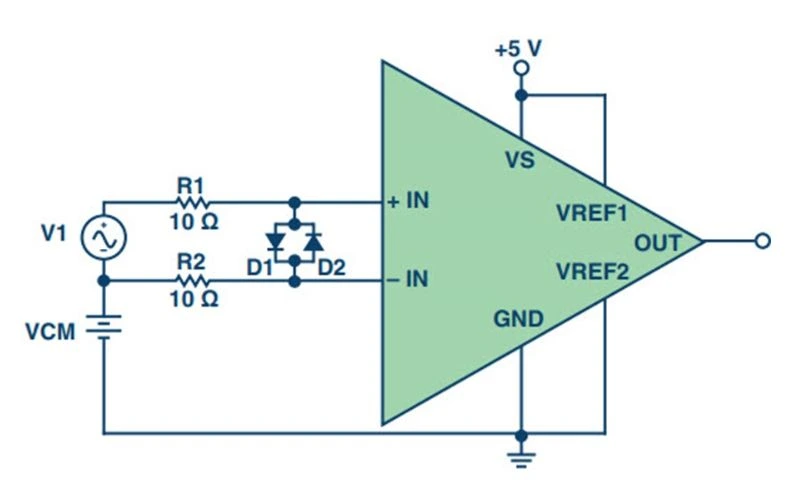
- Surge protection devices, such as surge arresters, are commonly used to protect against overvoltages.
- SPDs divert excessive voltage surges to the ground, preventing them from reaching sensitive equipment.
Voltage Regulation and Control
- Proper voltage regulation and control measures help mitigate overvoltage risks.
- Maintaining voltage levels within acceptable limits through monitoring, automatic voltage regulators (AVRs), and tap changers can prevent overvoltages.
Insulation Coordination
- Adequate insulation coordination is crucial in preventing overvoltages.
- Properly selecting and applying insulation systems, considering voltage stress levels, can enhance equipment insulation and withstand overvoltages.
Grounding and Bonding
- Effective grounding and bonding practices are vital for managing overvoltage risks.
- Proper grounding systems reduce the impact of voltage surges and provide a path for fault currents to dissipate safely.
Conclusion
Understanding the causes and effects of overvoltages in power systems is vital for implementing protective measures and ensuring the reliable operation of electrical infrastructure. Lightning strikes, switching operations, faults, capacitor bank switching, and load changes are the primary causes of overvoltages.
These overvoltages can damage equipment, reduce lifespan, cause operational disruptions, pose safety risks, and have economic implications. By employing surge protection devices, implementing voltage regulation measures, enhancing insulation coordination, and maintaining proper grounding and bonding practices, power systems can mitigate the risks associated with overvoltages, safeguard equipment, and ensure the continuity of electrical supply.
FAQs
What causes overvoltages in power systems?
Overvoltages in power systems can be caused by several factors, including lightning strikes, switching operations, and sudden load changes. Lightning strikes induce high-voltage surges while switching operations and load changes can cause transient overvoltages due to the sudden interruption or introduction of electrical flow. These events can lead to significant voltage spikes, stressing the power system components.
What are the effects of overvoltages on electrical equipment?
Overvoltages can severely impact electrical equipment, leading to insulation breakdown, overheating, and potential component failure. Prolonged exposure to high voltages can shorten equipment’s lifespan, increase maintenance costs, and result in costly downtime. Sensitive electronic devices are particularly vulnerable to damage from overvoltages, necessitating effective protection measures.
How can overvoltages be prevented or mitigated in power systems?
Preventing or mitigating overvoltages involves several strategies, such as the use of surge arresters, proper grounding, and shielding of equipment. Surge arresters help to divert excess voltage to the ground, protecting the system. Ensuring proper grounding and using shielding techniques can minimize the impact of transient overvoltages. Additionally, adequate maintenance and monitoring practices can help identify and address potential issues before they cause significant damage.