

What Is a Short Circuit? Causes, Effects, and Prevention
When you think about a short circuit, it’s important to understand that it’s not just a minor inconvenience but a significant safety hazard in your home or workplace. A short circuit occurs when an unexpected connection in an electrical circuit provides a shortcut for the current, bypassing the intended path. This can be caused by factors like water contact, faulty insulation, or even a loose wire. But what makes a short circuit so dangerous, and how can you identify one before it leads to bigger problems? Let’s explore the mechanics and risks involved in more detail.
Key Takeaways
- A short circuit is an abnormal connection in an electric circuit that causes a shortcut in current flow.
- Common causes of short circuits include water contact, faulty insulation, and loose connections.
- Short circuits can lead to electrical fires, severe shocks, and appliance damage.
- Signs of a short circuit include flickering lights, circuit breaker trips, and burning smells.
- Preventing short circuits involves regular inspections, avoiding circuit overloads, and using safety devices like AFCIs and GFCIs.
Definition of a Short Circuit
A short circuit happens when there’s an abnormal connection between two nodes in an electric circuit. This abnormal connection allows the electrical current flow to take a shortcut, bypassing the intended path and reducing the circuit’s resistance. The result is a dramatic increase in current that the system isn’t designed to handle.
Due to this surge in electrical current flow, short circuits can lead to severe problems like overheating, circuit damage, and even fires or explosions. The immediate effect is often the generation of excessive heat, which can quickly cause significant damage to the electrical system’s components.
Protective devices such as circuit breakers are essential to mitigate the risks associated with short circuits. They are designed to detect excessive current and automatically shut down the electrical flow, preventing further damage and reducing fire risk. Fuses and overload protection devices also serve similar purposes by interrupting the current flow when it exceeds safe levels.
Understanding the definition and implications of a short circuit is important for maintaining electrical safety. By using protective devices like circuit breakers; you can safeguard your electrical systems from potentially catastrophic failures.
Common Causes
Understanding the definition and implications of a short circuit is crucial, but knowing its common causes can help you prevent them. Short circuits can disrupt your electrical systems and pose significant safety hazards. Identifying and addressing these common causes can mitigate the risks associated with abnormal electrical currents.
- Water Contact:
Moisture and electricity are a dangerous mix. When water seeps into electrical systems, it can create a pathway for electrical currents to flow unpredictably, leading to a short circuit.
- Faulty Insulation:
Wires are insulated to keep electrical currents contained. Over time, insulation can degrade or become damaged, causing unintended current flow and short circuits.
- Loose Connections:
Electrical connections that aren’t secure can generate heat and cause wires to touch each other or other conductive surfaces, resulting in short circuits.
- Punctured Wire Casings:
Nails, screws, or even vermin like rats and mice chewing on wires can puncture the protective casing. This exposes the wires, leading to short circuits when electrical currents flow through unintended paths.
Types of Short Circuits
When discussing types of short circuits, you should know about direct contact short circuits and ground fault occurrences.
A direct-contact short circuit occurs when the hot wire touches the neutral wire, while a ground fault occurs when the hot wire touches a grounded section.
Recognizing these types helps you address and prevent electrical hazards effectively.
Direct Contact Short Circuit
A hot wire touches a neutral wire in a direct contact short circuit, causing a dangerous current surge. This type of short circuit disrupts the normal flow of current in an electrical circuit, leading to several hazardous outcomes.
When the hot and neutral wires come into contact, the electrical resistance drops dramatically, allowing excessive current to flow through the circuit. If not addressed promptly, this sudden surge can trip circuit breakers, damage electrical components, and cause electrical fires.
Direct-contact short circuits often result from physical issues like damaged insulation or faulty wiring connections. These problems create a direct path between the hot and neutral wires, bypassing the designed electrical pathway. Understanding the causes and consequences of direct-contact short circuits can help you identify and prevent these dangerous situations.
Here are some key points to keep in mind:
- Damaged Insulation: Insulation can wear down over time, exposing wires and increasing the risk of direct contact.
- Faulty Wiring: Poorly connected wires can shift and make unintended contact.
- Electrical Fires: The excessive current can generate intense heat, igniting flammable materials nearby.
- Tripped Breakers: Circuit breakers trip to prevent further damage, signalling a potential issue in your electrical system.
Ground Fault Occurrence
A ground fault short circuit happens when a hot wire contacts a grounded part of the system, diverting current to the ground and creating significant safety risks. The electrical currents bypass their intended path when this occurs, leading to potential electrical shocks. Ground faults are especially dangerous because they can happen in residential and industrial settings, posing a serious safety hazard to anyone nearby.
Ground Fault Circuit Interrupters (GFCIs) are essential in detecting and preventing these short circuits. GFCIs quickly shut off power when they sense an imbalance in electrical currents, thereby preventing potentially life-threatening shocks. Installing GFCIs in areas prone to moisture, like bathrooms and kitchens, is critical in ensuring electrical safety.
Testing and monitoring devices should be used to identify ground faults. These tools help detect irregularities in the electrical system, allowing for prompt corrective actions.
Understanding the difference between a ground fault and a normal short circuit is vital for implementing effective electrical protection measures. While both involve unintended paths for electrical currents, ground faults specifically involve contact with grounded parts, necessitating targeted safety devices like GFCIs to mitigate the risks.
Signs to Watch For
When looking for signs of a short circuit, pay attention to flickering or dimming lights, which could indicate a problem.
If your circuit breakers trip frequently, it’s another strong sign that something’s wrong.
These issues often point to underlying electrical faults that need immediate attention.
Flickering or Dimming Lights
Flickering or dimming lights can be an unmistakable sign of a short circuit disrupting your electrical system. A short circuit causes a sudden and unintended increase in electrical current. This spike can interfere with the normal flow of electricity to your light fixtures, resulting in flickering or dimming.
If you notice this behaviour in your lights, paying attention is crucial. A short circuit not only disrupts the electrical current but can also pose significant safety risks.
Here are some points to keep in mind:
- Inconsistent Light Output: Flickering lights mean the electrical current isn’t steady, indicating underlying wiring issues.
- Increased Fire Risk: Short circuits can generate excessive heat, raising the risk of an electrical fire.
- Appliance Damage: The inconsistent flow of electricity can harm sensitive electronics and appliances connected to the same circuit.
- Energy Efficiency: Unstable electrical current can lead to inefficient energy use, increasing electricity bills.
Observing flickering or dimming lights should prompt immediate action. It’s a clear sign that something is wrong with your electrical system. By identifying and addressing short circuits early, you can establish a safer and more reliable electrical setup in your home.
Frequent Circuit Breaker Trips
If flickering or dimming lights weren’t alarming enough, frequent circuit breaker trips are another clear indicator of potential short circuits in your home. A short circuit causes a sudden surge in electrical current, forcing the breaker to trip for safety reasons. This is an essential protective measure to prevent overheating and potential fire hazards.
However, if your circuit breaker trips consistently, you should not ignore that student trips can indicate either a short or an overloaded circuit, requiring immediate attention. Ignoring these signs can pose serious safety risks and potentially lead to significant damage to your electrical systems.
Frequent circuit breaker trips should always be considered a red flag. The best action is to contact a professional electrician who can identify and address the underlying issue. They have the tools and expertise to pinpoint the cause of the problem, whether it’s a short circuit or another electrical fault.
Dangers and Risks
Short circuits, including electrical fires, severe shocks, and extensive appliance damage, pose significant dangers. When a short circuit occurs, the high current can flow uncontrollably through the wiring, causing it to overheat and potentially melt. This overheating can ignite nearby materials, leading to electrical fires.
Additionally, the sudden current surge can damage your appliances, rendering them useless and costly to replace. If you’re near the source of the short circuit, the risk of a severe electrical shock is high, and in extreme cases, it can be critical. Acting quickly by shutting off the currents to prevent further harm is important.
Consider these dangers:
- Electrical Fires: Overheating wires can ignite, causing fires that spread quickly.
- Severe Electrical Shocks: Direct contact with high currents can seriously injure or kill.
- Damage to Appliances: Surges can destroy electronics and other household items.
- Costly Repairs: Fixing the aftermath of a short circuit can be expensive and time-consuming.
Understanding these risks underscores the importance of addressing short circuits immediately. Doing so can save lives, protect property, and prevent extensive damage—Alwa prioritizes safety when dealing with electrical issues.
Preventative Measures
Preventing short circuits involves regular inspections and proper home electrical system maintenance. By scheduling these inspections, you can identify potential issues early on and guarantee the safe flow of electricity.
Don’t forget to avoid overloading circuits with too many devices or appliances, which can increase the risk of short circuits.
One of the simplest preventative measures is to keep electrical cords in good condition. Don’t use frayed or damaged cables, as they can disrupt the electrical flow and cause a short circuit.
Installing surge protectors is another effective way to safeguard electronics and appliances from power surges that could cause short circuits.
Consider adding arc-fault circuit interrupters (AFCIs) and ground-fault circuit interrupters (GFCIs) to your home’s electrical system. These devices can detect irregularities in the electrical flow and automatically shut off the power, providing additional protection against short circuits.
Identifying Short Circuits
Now that you know how to prevent short circuits, let’s look at how to identify them. Look for signs like burning smells, sparks, tripped circuit breakers, and flickering lights. These indicators can help you detect changes in electrical current flow and pinpoint potential issues before they escalate.
To identify short circuits, pay close attention to the following:
- Burning Smells: A burning smell often indicates overheating due to a short circuit. This can be caused by insulation melting or wires burning.
- Sparks: If you see sparks near outlets or switches, this is a clear sign of a short circuit. It means the current is jumping, which is dangerous.
- Tripped Circuit Breakers: Circuit breakers are designed to cut off power when there’s a surge. If they trip frequently, you likely have a short circuit somewhere.
- Flickering Lights: Lights that flicker or dim unexpectedly can show fluctuating current flow due to a short circuit.
Fixing the Issue
To fix a short circuit, you must first locate the source by inspecting for damaged wires or faulty connections. To prevent electric shock, turn off the power supply. Look for visible signs of damage, such as scorch marks or frayed cables.
Next, use a multimeter to check for continuity in the wires. This tool helps identify where the short circuit is occurring once the location and repairs or replaces the damaged wiring or components causing the issue.
After making the necessary repairs, reset any tripped circuit breakers or replace blown fuses to restore power. Circuit breakers trip to protect your system from excessive current, so it is essential to ensure they’re functioning correctly.
| Step | Action |
|---|---|
| Inspect | Look for damaged wires or faulty connections |
| Use Multimeter | Test for continuity to find the short |
| Repair & Reset | Fix wiring, reset breakers or replace fuses |
Always double-check your work before turning the power back on. If the circuit breaker trips again or you’re unsure about any step, it’s best to stop and reassess. Remember, dealing with electrical issues can be dangerous. If you cannot locate or fix the short circuit safely, it’s time to call for professional help.
Professional Help
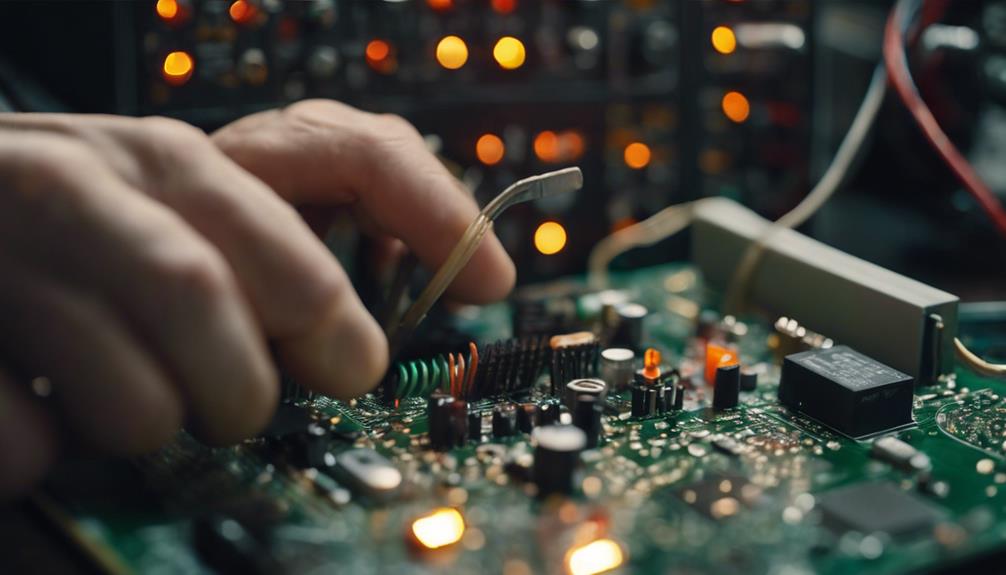
When you face a complex short circuit, you must call a qualified electrician to guarantee safety and proper resolution. Quick, professional intervention can prevent further damage and hazards.
Avoid DIY attempts, leading to serious risks and non-compliance with electrical codes.
Qualified Electrician Benefits
Employing a qualified electrician guarantees that complex short-circuit issues are diagnosed and resolved safely. When dealing with your home’s electrical system, their expertise ensures that all problems are tackled with utmost precision and care. Qualified electricians are trained to follow electrical code requirements, ensuring your system remains compliant and secure. Their skills don’t just stop at diagnostics; they can efficiently repair wiring problems and replace damaged components, effectively preventing future short circuits.
Consulting a qualified electrician brings a range of benefits:
- Expert Diagnosis: They can accurately identify the root cause of short circuits, preventing guesswork and mitigating the risk of recurring issues.
- Code Compliance: Ensuring your electrical system meets current standards is essential for safety and avoiding potential legal issues.
- Efficient Repairs: With their experience, electricians can quickly and effectively repair or replace damaged wiring, saving you time and hassle.
- Thorough Approach to Safety: Their in-depth approach to fixing electrical problems ensures your system’s longevity and safety.
Relying on their knowledge and experience minimizes the risks minimized with high-voltage electrical work. By choosing a professional, you’re not just fixing a problem but investing in the long-term safety and efficiency of your home’s electrical system.
Emergency Response Importance
In an electrical emergency, you contact a professional who guarantees that the short circuit is handled safely and efficiently. Short circuits can pose significant risks, including electrical fires and severe damage to your property. When faced with such an emergency, immediate action is necessary to prevent further hazards.
Professional electricians are trained to provide an effective emergency response, ensuring that the issue is resolved without compromising safety. By seeking professional help, you ensure that the problem is diagnosed and addressed accurately. Electricians have the expertise and tools required to identify the root cause of the short circuit and implement the appropriate solution. They follow strict electrical codes and standards, which means their work meets safety regulations, reducing the risk of future problems.
Attempting a DIY fix in a short-circuit emergency can lead to dangerous outcomes. Professionals know how to handle high-risk situations and can mitigate potential threats effectively. Their prompt and knowledgeable intervention not only resolves the immediate issue but also helps prevent long-term damage to your electrical system.
Therefore, always consult a professional for an emergency response to a short circuit. It’s a vital step in ensuring your safety and maintaining the integrity of your electrical system.
Avoiding DIY Risks
Call a professional electrician; don’t risk your safety by attempting a DIY fix for complex short circuit issues. While handling electric wiring yourself might be tempting to save time and money, the dangers far outweigh the benefits. Professional electricians bring the expertise and equipment to resolve problems safely and efficiently.
Here’s why you should always seek professional help:
- Safety first: Handling electric wiring without the proper knowledge can result in severe injuries or even fatalities. Professionals are trained to manage high amperage and voltage safely.
- Prevent further damage: Incorrect DIY fixes can exacerbate the problem, leading to more extensive repairs and higher costs.
- Code compliance: Electricians are well-versed in local electrical codes, ensuring that your repair is up to standard and legally compliant.
- Peace of mind: Hiring a professional allows you to rest easy, knowing that the job is done correctly and safely.
Additional Resources
Check out these authoritative resources on short circuits and electrical safety for further reading.
Begin with ‘Understanding Short Circuits’, where you’ll learn about the signs, causes, and types of short circuits, including normal and ground fault scenarios. This resource will help you understand how these issues affect your electric circuit and the crucial role of a circuit breaker in preventing them.
Next, ‘Short Circuit Protection’ offers valuable insights into various methods for averting electrical hazards. You’ll discover how devices like circuit breakers, Ground Fault Circuit Interrupters (GFCIs), and Arc Fault Circuit Interrupters (AFCIs) work to keep your home safe.
If you’re dealing with complex issues, ‘Professional Assistance and Safety’ emphasizes the importance of selecting a qualified electrician. This resource highlights critical safety measures and professional interventions to address intricate short-circuit problems.
For a foundational understanding, ‘Electrical Wiring Basics’ explains how to differentiate between line and load wiring, comprehend amps and volts, and the necessity of professional guidance.
Lastly, ‘Costs and Considerations for Electrical Work’ breaks down the factors influencing the expense of electrical panel replacements, underscoring the importance of thorough budgeting.
These resources will give you a detailed understanding of short circuits and electrical safety.
In conclusion, recognizing and addressing circuits is essential for your safety and the electrical system’s integrity. You can prevent potential hazards by staying vigilant for signs like flickering lights or tripped breakers.
If you suspect a short circuit, don’t hesitate to fix it or call a professional—prompt action: Electrical fires, appliance damage, and expensive repairs if not addressed.
Stay informed and proactive to keep your home safe.
FAQs
What Is a Short Circuit in Simple Terms?
A short circuit is an electrical malfunction where electricity takes an unintended shortcut in a circuit. This circuit simplification happens when there’s minimal resistance between two points, causing excessive current flow.
It can result from damaged insulation or exposed wires. It can lead to overheating, fires, or equipment failures if not addressed. Understanding this helps ensure safety and prevent potential hazards in your circuits.
What Causes a Short Circuit?
Short circuits happen when wiring encounters water, faulty insulation, or overloaded circuits.
If a wire is excessively damaged, the electrical current can flow, leading to not. Overloaded circuits, loose connections, or punctured wire casings from nails or screws are other culprits.
Rodents chewing on wires can also disrupt your electrical system, leading to short circuits.
Ensure your wiring is properly installed and maintained to prevent these issues.
What Happens With a Short Circuit?
When a short is circuicircuits, you face safety hazards. Excessive current flow causes rapid heating, leading to electrical fires or equipment damage. Loose connections, insulation breakdown, or contact with water are common culprits.
Addressing any signs of a short circuit immediately can prevent further risks. Ensuring proper insulation and secure connections can help you avoid these dangerous situations.
What Does It Mean for a Wire to Short Circuit?
When a wire is a short circuit, you face serious electrical hazards. The wire insulation fails, causing a low-resistance connection between conductors. This allows excessive current to flow, overheating the wire and potentially damaging your devices or starting a fire.
Fuses blow to protect the system, but the risk is significant. Short circuits can occur in DC and AC circuits, endangering electrical systems and personal safety.
How Do You Fix Short Circuit?
To fix a short circuit, start with these troubleshooting steps:
- Identify the source by checking for damaged wires or faulty appliances.
- Disconnect power to the circuit by turning off the breaker.
- Repair or replace damaged components, and use electrical tape for insulation.
For preventive measures, guarantee secure connections and consult a professional electrician if issues persist.
This approach will help restore functionality and prevent future problems.
