Embracing Impulsive Transients to Achieve Optimal Power Quality
Power quality is a crucial aspect of electrical systems, ensuring the efficient and reliable delivery of electricity. However, power systems are susceptible to various disturbances, including impulsive transients. An impulsive transient may be a sudden, non–power frequency modification within the steady-state condition of voltage, current, or each that’s one-way in polarity (primarily either positive or negative). While traditionally seen as disruptive events, there is a growing realization that embracing sudden transients can lead to achieving optimal power quality. We will now explore how harnessing and understanding these transient phenomena can revolutionize power quality and pave the way for more reliable and efficient electrical infrastructure.
Impulsive Transients: Lightning’s Impact
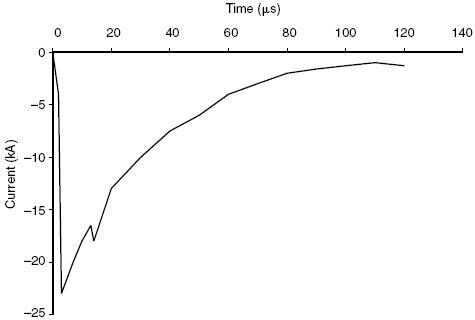
- Impulsive transients are characterized by rapid rise and decay times and can be identified by spectral content.
- An example of impulsive transients is a 1.2×50µs pair of 2000V electrical disturbances, rising to 2000V in 1.2µs and decaying to half its peak value in 50µs.
- Lightning strikes commonly cause impulsive transients, releasing massive amounts of electrical energy into the atmosphere.
- Impulsive transients induced by lightning can propagate through power lines and electronic systems, potentially causing damage and disruptions.
- Understanding the characteristics and origins of these transients is crucial for implementing effective protective measures in electrical infrastructure.
- Ongoing research helps develop strategies to mitigate the impact of impulsive transients and enhance the resilience of electrical systems against lightning-induced disturbances.
Nature of Impulsive Transients
Impulsive transients are sudden and short-duration disturbances that introduce rapid changes in voltage and current waveforms. They can originate from various sources, such as lightning strikes, switching operations, or equipment faults. Understanding the characteristics and behavior of these transients is the first step in leveraging their potential for optimizing power quality.
Impacts on Power Quality
Initially considered detrimental to power systems, impulsive transients were often mitigated or suppressed. However, recent research has highlighted their potential positive effects. By exploring the impacts of these transients on power quality parameters such as voltage regulation, harmonics, and system stability, we can uncover opportunities for improvement.
Causes and Effects of Over Voltages in Power System
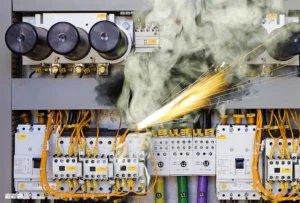
Below are the key aspects of causes and effects associated with overvoltages in power systems:
Causes of Overvoltages
- Lightning Strikes: One of the most common natural causes of overvoltages is lightning. When lightning strikes power lines or nearby objects, it induces a sudden and massive surge of electrical energy into the system.
- Switching Operations: During routine switching operations in the power grid, such as opening or closing circuit breakers or disconnect switches, transient overvoltages can occur due to sudden changes in current flow.
- Faults in the Power System: Short circuits or other defects in the power system can lead to overvoltages. These faults cause rapid changes in current distribution, resulting in voltage spikes.
- Electromagnetic Interference (EMI): External sources of electromagnetic radiation, such as radio frequency signals or nearby industrial equipment, can couple with power lines and cause overvoltages.
- Reactive Power Compensation Devices: Using reactive power compensation devices, like capacitors, can inadvertently cause overvoltages if not properly controlled.
Effects of Overvoltages
- Equipment Damage: Overvoltages can damage sensitive electrical equipment, such as computers, communication devices, and power electronics. This can result in costly replacements and downtime.
- Insulation Failure: High voltage levels may lead to insulation breakdown in cables and transformers, causing short circuits and potential fires.
- Circuit Disruptions: Overvoltages can trip protective devices like circuit breakers and relays, leading to power outages and disturbances in the grid.
- Data Loss and Corruption: Overvoltages in electronic systems can lead to loss or corruption, affecting critical operations and data-intensive applications.
- Safety Hazards: Overvoltages pose risks to human safety, as exposed conductive parts may become life, creating shock hazards.
- Increased Maintenance Costs: Frequent overvoltage events can increase wear and tear on equipment, leading to higher maintenance costs.
Protection and Mitigation
To address the issues caused by overvoltages, power systems implement several protective measures:
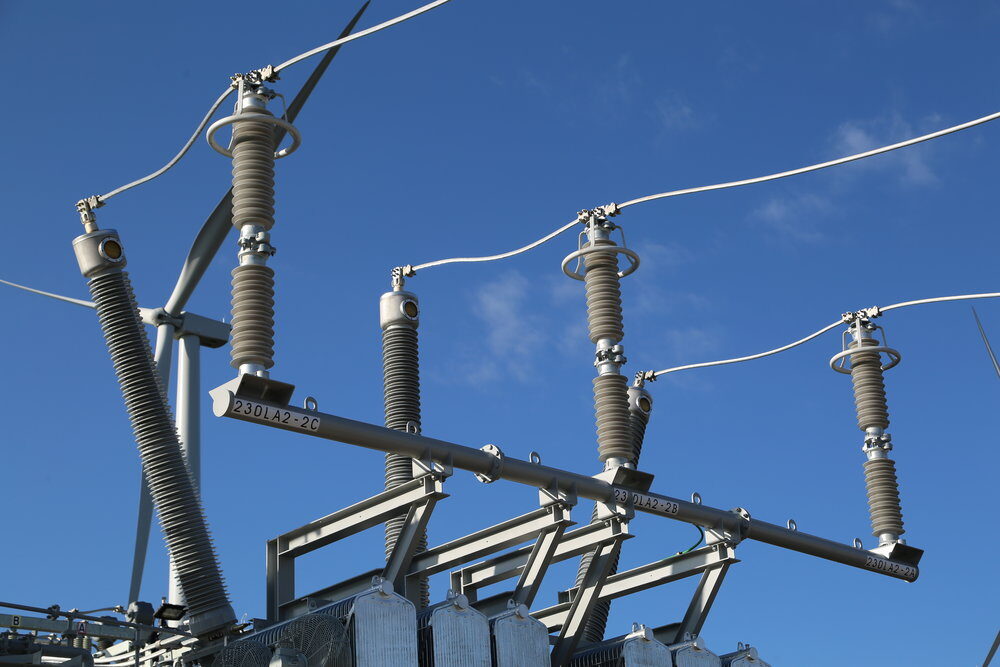
- Surge Arresters: Surge arresters are installed to divert excess voltage to the ground and protect sensitive equipment.
- Reactive Power Control: Proper control of reactive power compensation devices prevents overvoltages due to capacitor switching.
- Shielding and Grounding: The shifting of cables and proper equipment grounding help reduce the impact of external electromagnetic interference.
- Voltage Regulation: Automatic voltage regulation systems ensure that voltage levels remain within acceptable limits.
- Fault Detection and Isolation: Rapid fault detection and isolation techniques prevent the propagation of overvoltages during system faults.
Leveraging Transients for Power Quality Optimization
Understanding the unique characteristics of impulsive transients allows us to design power systems that leverage their presence. By adapting equipment specifications, employing active compensation techniques, and utilizing energy storage systems, we can actively use impulsive transients to optimize power quality, minimize losses, and enhance system performance.

Monitoring and Strategies
Transient Analysis and Monitoring
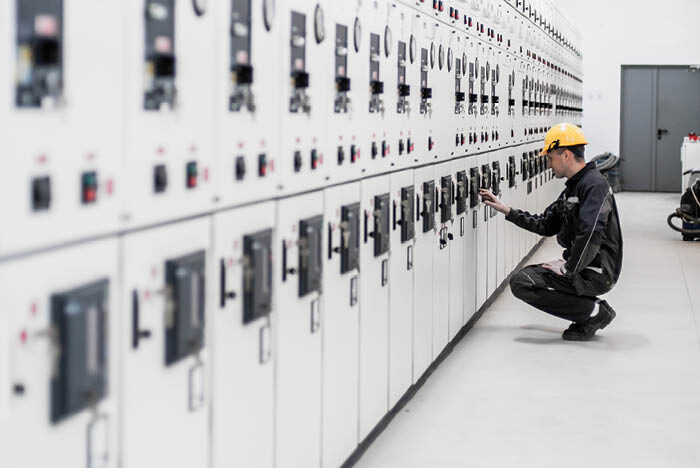
Accurate detection and characterization of impulsive transients are crucial for harnessing their benefits. Advanced monitoring and analysis techniques, including high-speed oscilloscopes and transient recorders, enable us to capture and analyze transient events in real-time. This data provides valuable insights into rude behavior and aids in identifying areas for power quality enhancement.
Transient Mitigation Strategies
While embracing impulsive transients, it is essential to implement appropriate mitigation strategies to prevent equipment damage and maintain system integrity. This section explores various mitigation techniques, such as surge protection devices, voltage clamping, and active filtering. Balancing the advantages of transients with protective measures ensures a harmonious coexistence between enhanced power quality and system reliability.
Conclusion
Electrical engineers and scientists can develop effective protective measures to mitigate their adverse effects by understanding the characteristics and origins of impulsive transients. Implementing surge protection devices, such as surge arresters, and proper grounding techniques can safeguard equipment from voltage spikes caused by lightning-induced transients.