

Unveiling Core Type Transformer for Efficient Power Distribution
Core-type transformers are the backbone of power distribution systems, crucial in efficiently transmitting electrical energy. Comprised of a magnetic core and primary and secondary windings, these transformers exhibit key characteristics such as a laminated steel core, insulation for safety, and a design allowing voltage transformation. This comprehensive guide delves into the intricate workings of core-type transformers, exploring their construction, working principles, and applications. Understanding their significance in power distribution networks is essential, as these transformers contribute to high efficiency, robust construction, and versatility in various settings.
As the demand for reliable and efficient power distribution grows, core-type transformers remain integral in meeting these requirements. The intricacies of their design, including laminated steel cores and precisely wound windings, underscore their importance in minimizing energy losses during transmission. This article unravels the complexities of core-type transformers, shedding light on their applications in power grids, industrial settings, and renewable energy systems. With ongoing innovations addressing environmental concerns and integrating smart technologies, these transformers are poised to play a pivotal role in the modernization and efficiency of power distribution networks.
Introduction to Core-Type Transformers
The core type transformer, a fundamental component in power systems, plays a critical role in efficiently transmitting electrical energy. It consists of a magnetic core and two primary and secondary windings wound around the core. The transformer’s design and construction significantly influence its performance and applications.
Key Characteristics of Core-Type Transformers
- Magnetic Core: The core, typically made of laminated steel, provides a low reluctance path for the magnetic flux, enhancing the transformer’s efficiency.
- Primary and Secondary Windings: The windings are crucial for transferring electrical energy from one circuit to another. The number of turns in each winding determines the voltage ratio between the primary and secondary sides.
- Insulation: Proper insulation is essential to prevent electrical leakage and ensure the transformer’s safety and reliability.
Working Principle of Core-Type Transformers
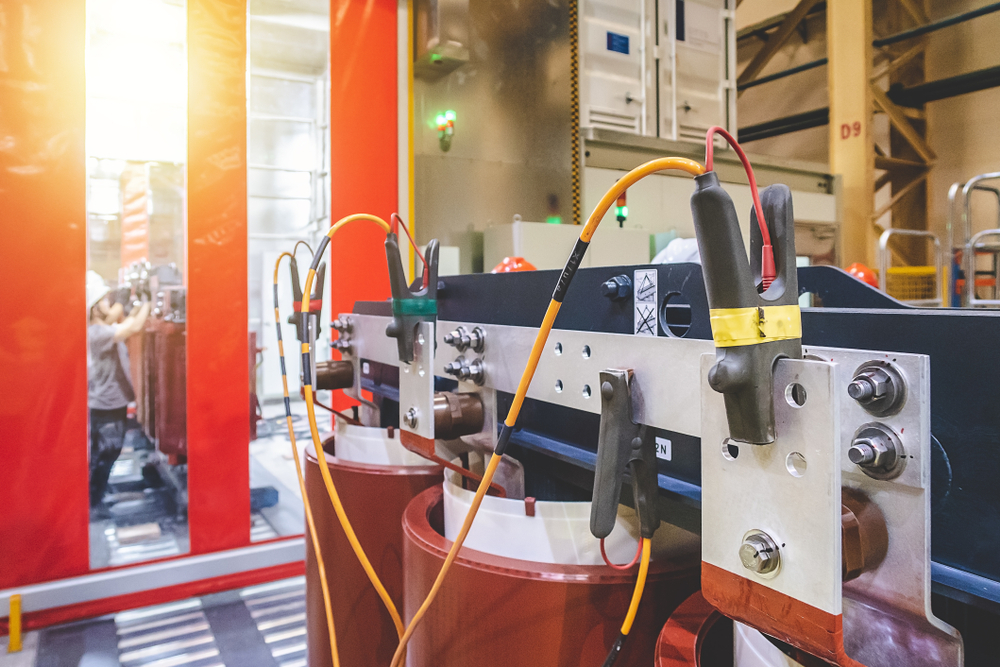
Understanding the working principles of core-type transformers is crucial for grasping their significance in power distribution systems.
Magnetic Flux in Action
The core-type transformer operates on the principle of electromagnetic induction. When an alternating current (AC) flows through the primary winding, it generates a magnetic flux in the core. This magnetic flux induces a voltage in the secondary winding, facilitating energy transfer.
Voltage Transformation
The primary and secondary windings have a different number of turns, allowing the transformer to step up or down the voltage as needed. This capability is vital for adapting the voltage levels to meet the requirements of various electrical devices and systems.
Efficiency and Losses
While core-type transformers are generally efficient, they are not entirely immune to losses. Core-type transformer losses can occur, including hysteresis and eddy current losses. Proper design and high-quality materials help minimize these losses.
Construction of Core Type Transformer
Understanding the construction of a core-type transformer provides insights into its robust design and efficient operation.
Laminated Steel Core
The core, a crucial component, is constructed using laminated steel sheets. These sheets are insulated from each other to minimize eddy current losses, a key factor in enhancing the transformer’s overall efficiency.
Windings and Insulation
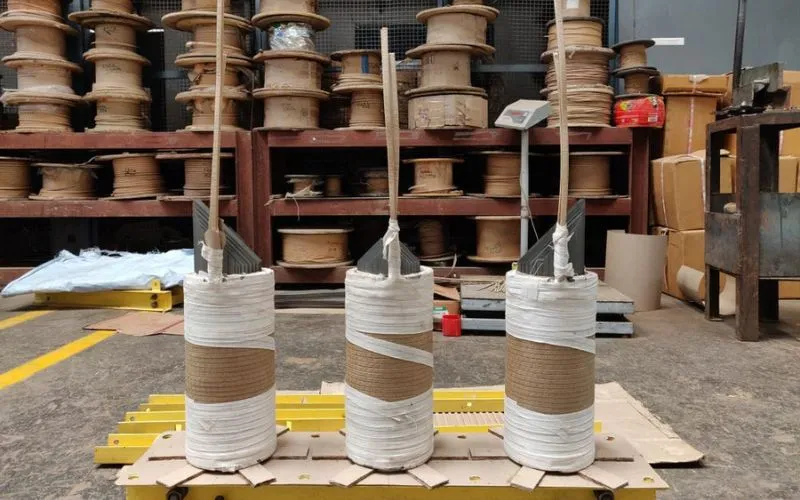
- Primary Winding: The primary winding, where the input voltage is applied, is typically wound around the core. The number of turns in the primary winding determines the transformer’s primary voltage rating.
- Secondary Winding: Wound around the same core but with a different number of turns, the secondary winding generates the output voltage. The turn ratio between the primary and secondary windings determines the voltage transformation.
- Insulation: Both windings are meticulously insulated to prevent short circuits and ensure the safe and reliable operation of the transformer. Insulation materials may include paper, oil, or newer synthetic materials with superior dielectric properties.
Cooling Systems
Core-type transformers are equipped with cooling systems and use cooling methods to maintain optimal operating temperatures. These systems often use oil as a coolant, circulating through the core and windings to dissipate heat generated during operation.
Tank and Bushings
The transformer is housed in a tank to protect it from environmental factors and to contain the cooling oil. Bushings, insulating devices through which conductors pass, connect the windings to external circuits and provide a means for monitoring and maintenance.
Advantages of Core-Type Transformers
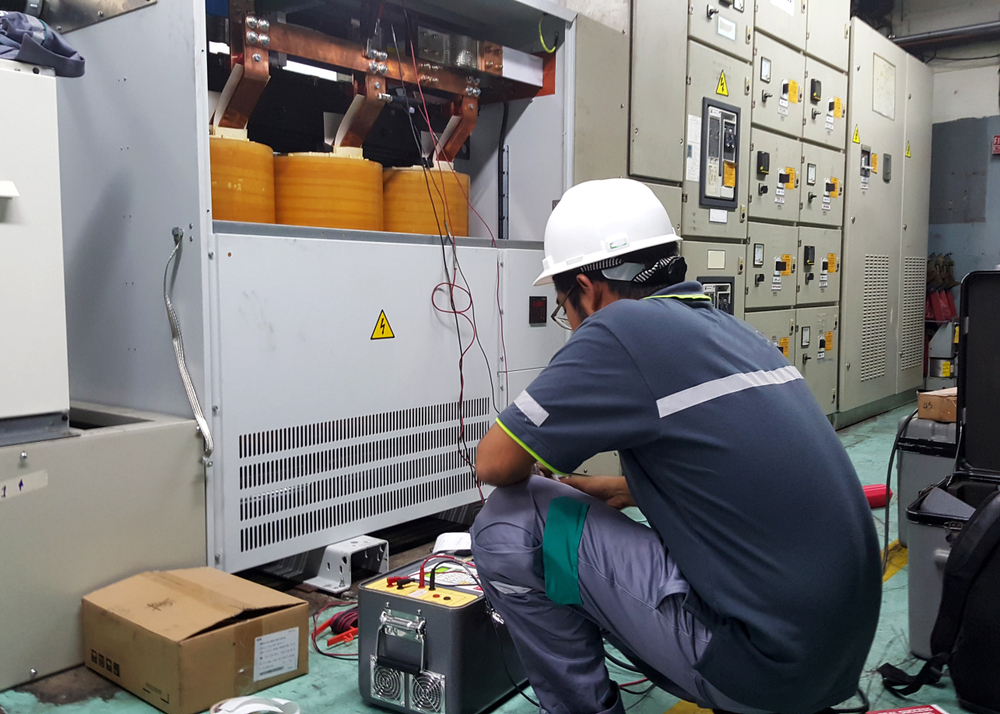
Core-type transformers offer several advantages contributing to their widespread use in power distribution networks.
High Efficiency
The core-type transformer’s design enhances energy transfer efficiency, ensuring minimal power losses during transmission.
Robust Construction
The laminated steel core provides structural strength and durability, making core-type transformers suitable for various environments and operating conditions.
Versatility
Core-type transformers are available in various sizes and capacities, catering to the diverse needs of power distribution systems.
Applications of Core-Type Transformers
The versatility and efficiency of core-type transformers make them indispensable in various applications.
Power Grids
Core-type transformers are widely used in power grids for stepping up or down voltage levels, facilitating the efficient distribution of electricity over long distances.
Industrial Settings
Industries rely on core-type transformers to power machinery and equipment, ensuring a stable and reliable energy supply for manufacturing processes.
Renewable Energy Systems
In renewable energy systems, such as wind and solar farms, core-type transformers are vital in transforming and transmitting the generated energy to the grid.
Challenges and Innovations in Core-Type Transformers
As technology evolves, so do the challenges faced by core-type transformers. Innovations aim to address these challenges and enhance the performance of these crucial devices.
Addressing Environmental Impact
Efforts are underway to develop eco-friendly materials and designs to reduce the environmental impact of core-type transformers.
Smart Transformer Technology
Integration of smart technologies, such as sensors and monitoring systems, enables real-time performance analysis and predictive maintenance, ensuring optimal functionality.
Integration with Smart Grids
Core-type transformers are becoming integral components of smart grids, contributing to the modernization and efficiency of power distribution systems.
Conclusion
FAQs
What is the typical lifespan of a core-type transformer?
The lifespan of a core-type transformer varies depending on factors such as usage, maintenance, and environmental conditions. On average, well-maintained transformers can last 25 to 30 years.
How do core-type transformers compare to shell-type transformers?
Due to their efficient design, core-type transformers are often preferred for higher-voltage applications. On the other hand, Shell-type transformers are more suitable for lower voltage applications where space is a constraint.
Can core-type transformers be used in outdoor installations?
Yes, core-type transformers are designed to withstand outdoor conditions. However, proper protective measures, such as weatherproof enclosures, are recommended to ensure longevity and reliability.
