Understanding Protection Systems: Ensuring Safety & Reliability
When you consider safeguarding your infrastructure, protection systems are vital for preventing damage from various threats like faults, overloads, and hazards. They encompass everything from electrical protection devices to fire safety mechanisms, CCTV cameras, and access control products. These systems guarantee the reliability of your power grids and facilities and defend against cybersecurity threats. Coordinating devices like circuit breakers and protective relays can minimize outages and efficiently isolate faults. Have you considered how these systems integrate to form a robust defense network? The intricacies of designing and installing these solutions might surprise you.
Key Takeaways
- Protection systems prevent damage and ensure safe operation by safeguarding infrastructure against faults, overloads, and hazards.
- Electrical protection devices like circuit breakers and relays detect and interrupt abnormal conditions to protect systems.
- Fire safety mechanisms, including alarms and sprinklers, provide early warnings and control fires to protect lives and property.
- CCTV cameras enhance security through video surveillance, deterring criminal activities and aiding in early fire detection.
- Access control products, including biometric authentication and keyless entry solutions, ensure that only authorized personnel can access restricted areas.
Importance of Protection Systems

Protection systems are essential for preventing damage and ensuring the safe operation of power systems. As someone involved in managing or designing power systems, you need to understand the importance of these protection measures. Protection systems help safeguard your infrastructure against faults, overloads, and other potential hazards, maintaining the reliability and safety of the entire power grid.
Moreover, cybersecurity threats are a significant concern in today’s digital age. Integrating robust security systems into your protection measures is vital to defend against cyberattacks that could compromise your power system’s integrity.
Effective protection systems also require careful coordination of protection devices to minimize outages and isolate faults efficiently. This ensures that it’s quickly identified and contained when a fault occurs, preventing widespread damage.
To evaluate the effectiveness of your protection systems, you should consider performance measures such as reliability, selectivity, speed, sensitivity, and economy. These criteria will help you determine how well your protection systems can handle potential threats and operate under various conditions. By prioritizing these aspects, you can ensure your power system remains secure and functional, even in unexpected challenges.
Types of Protection Systems
Now, let’s explore the types of protection systems you’ll encounter.
Electrical protection devices, like circuit breakers and relays, safeguard your equipment from faults and overloads.
Fire safety mechanisms, such as alarms and sprinklers, are essential for preventing and controlling fire hazards.
Electrical Protection Devices
Electrical protection devices like protective relays, circuit breakers, and RCDs safeguard your electrical systems, guaranteeing they stay safe from faults and overloads. These devices work together to detect abnormal conditions such as overcurrent, short circuits, and earth faults. By isolating the faulty section, they prevent damage to your equipment and uphold the safety of anyone nearby.
Circuit breakers play a vital role in this setup. When a fault is detected, it interrupts the current flow, effectively protecting your equipment and personnel. When a protective relay senses an abnormal condition in the current or voltage, it sends a trip signal to the circuit breaker, which then disconnects the faulty section.
Residual current devices (RCDs) add another layer of protection by monitoring incoming and outgoing current balance balance. If an imbalance is detected, indicating a possible earth fault or leakage current, the RCD trips the circuit. This action prevents electric shocks and potential fires, enhancing overall safety.
Fire Safety Mechanisms
To safeguard lives and property, fire safety mechanisms like alarms, smoke detectors, and sprinkler systems detect and combat fires as soon as possible. These mechanisms work seamlessly to provide early warnings and effective fire suppression, minimizing damage and loss of life.
Here’s how each component plays an essential role:
- Fire Alarms: These devices detect smoke or heat and trigger audible and visual alerts, guaranteeing everyone has enough time to evacuate.
- Smoke Detectors: They sense the presence of smoke particles in the air and activate the alarm system, offering an early warning.
- Sprinkler Systems: Automatically release water when a fire is detected, controlling or extinguishing it quickly and reducing heat and smoke damage.
- Fire Suppression Systems: Utilize agents like foam, gas, or chemicals to target and extinguish fires in specific areas, protecting critical equipment and materials.
Incorporating these fire safety mechanisms into your building, in conjunction with an access control system, ensures that your property is well-protected. The access control system can prevent unauthorized access to critical areas, enhancing your overall safety strategy.
CCTV Camera Systems
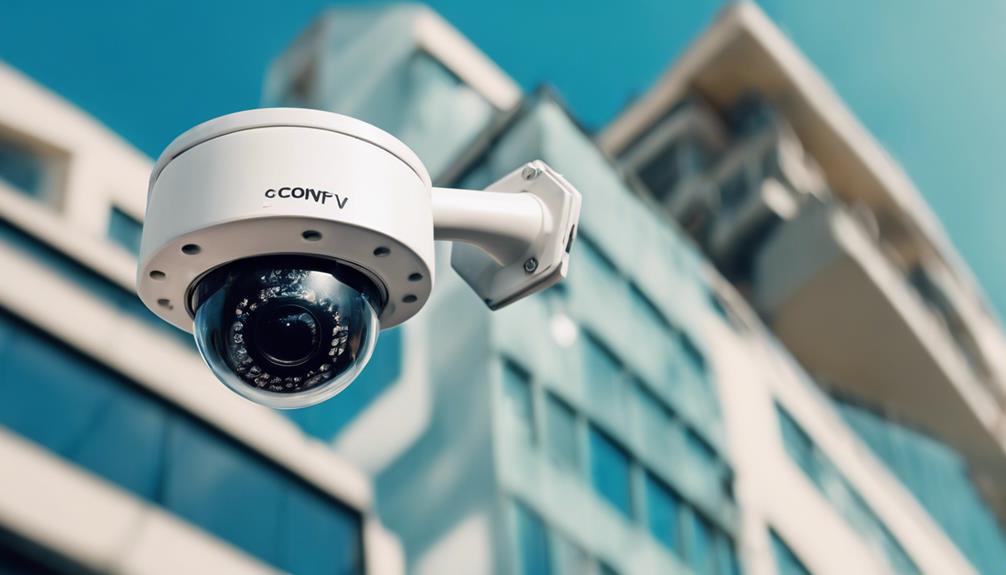
CCTV cameras offer vital video surveillance solutions for various settings, guaranteeing enhanced security and peace of mind. These closed-circuit systems are essential for businesses, homes, schools, and commercial buildings. By providing around-the-clock monitoring, they help deter criminal activities and offer valuable evidence in case of incidents.
For large commercial properties, IP video solutions come in handy. You can monitor your premises remotely via PCs or smartphones, ensuring you’re always in control, no matter where you are. CHeKT Video Monitoring Systems further enhances this real-time capability, providing immediate video feeds to catch and respond to suspicious activity quickly.
CCTV cameras also play an important role in early fire detection. Integrate them with fire alarm systems to boost your facility’s safety measures. This dual function can alert you to potential fire hazards before they escalate, giving you time to act swiftly.
While we’ll discuss access control products later, it’s worth noting that combining them with CCTV cameras ensures a thorough security solution. This greatly improves the protection of your property, making it safer for everyone involved.
Access Control Products
When considering access control products, biometric authentication methods and keyless entry solutions are crucial for modern security. These technologies guarantee that only authorized individuals can enter specific areas, enhancing safety.
Biometric Authentication Methods
Biometric authentication methods, such as fingerprint and iris scans, provide unparalleled security by leveraging unique biological traits to control access. These methods guarantee that only authorized individuals can enter restricted areas or access sensitive information, making them a cornerstone of modern protection systems. Biometric authentication isn’t only accurate and incredibly difficult to replicate, but it also enhances overall security and reduces the risk of breaches.
You’ll find biometric access control products in various high-security environments, including government facilities, financial institutions, and data centers. They offer several advantages over traditional access control methods:
- Enhanced Security: Biometric traits are unique to each individual, making it nearly impossible for unauthorized persons to gain access.
- User Convenience: No need to remember passwords or carry access cards; your biological traits are always with you.
- Reduced Fraud: Biometric systems are less susceptible to bypassing or being forged than traditional methods.
- Audit Trail: Accurate logging of access events helps monitor and audit access to secure areas.
Keyless Entry Solutions
In today’s security landscape, keyless entry solutions provide a seamless way to enhance access control without the hassle of physical keys. These cutting-edge systems are designed to cater to both single doors and multi-story buildings, offering unparalleled convenience and increased security. You can greatly reduce the risk of unauthorized entry and lost keys by eliminating physical keys.
Keyless entry systems are versatile access control products commonly utilized in facilities to restrict unauthorized access. Major manufacturers like Honeywell and KeyScan offer solutions tailored to meet diverse security needs. Whether securing a small office or a large corporate building, these systems provide robust protection.
One of the standout features of modern keyless entry solutions is their web-based management capabilities. These systems offer flexible and customizable options, allowing you to control and monitor access to various areas within your facility from anywhere. This level of control ensures that only authorized personnel can gain entry, enhancing overall security.
With keyless entry solutions, you can streamline access control processes, making your facility safer and more efficient. Embrace this technology to simplify your security measures and bid farewell to the complications of physical keys.
Fire Alarm Systems
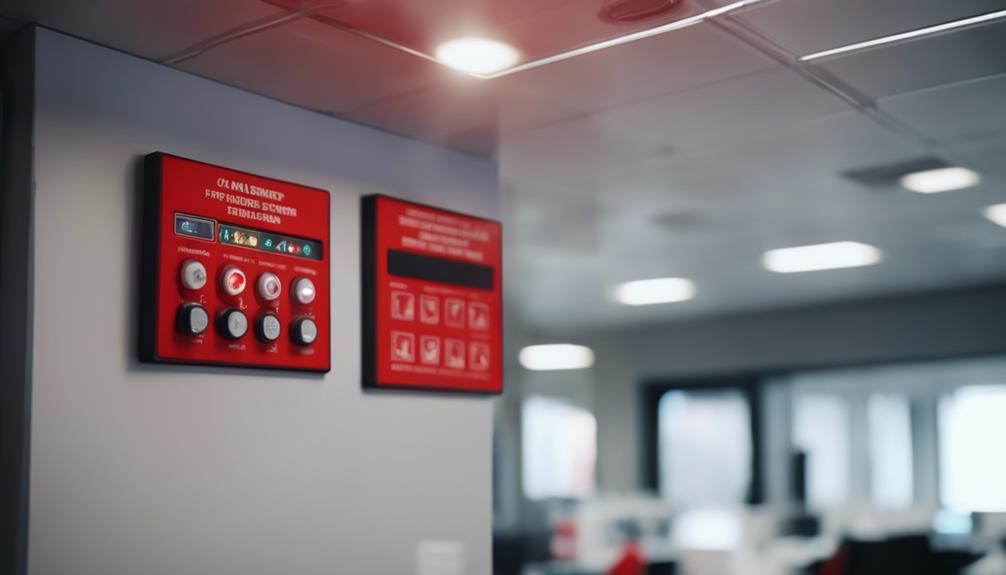
Fire alarm systems provide an essential early warning to protect lives and property from the devastating effects of fires. They play an important role not only in alerting building occupants but also in quickly notifying emergency responders. These systems are a top priority for companies specializing in security systems, ensuring thorough protection.
Regular inspections are necessary to maintain the effectiveness of fire alarm systems. NFPA 72 fire inspections are critical for this purpose. They ensure that every system component functions properly and complies with national safety standards.
Here are some key aspects you need to take into account:
- Detection Devices: Smoke detectors, heat detectors, and manual pull stations must be checked and tested regularly.
- Control Panels: These are the brains of your fire alarm system, so they need to be inspected for any faults or issues.
- Notification Appliances: Sirens, strobe lights, and other alert mechanisms must be fully operational to warn occupants effectively.
- Power Supplies: Backup batteries and primary power sources should be reliable and tested to ensure the system remains active during power outages.
Additionally, NICET certification for professionals working with fire alarm systems ensures they have the necessary skills and knowledge. Adhering to these protocols can significantly reduce fire damage and enhance overall safety.
BDA Systems Overview
Although often overlooked, BDA systems are essential for enhancing in-building RF signal coverage, especially in large structures like hotels, factories, and schools.
You mightn’t realize it, but these systems are essential in ensuring robust communication for emergency responders, which is critical during crises. BDA systems help boost signal strength and coverage, meeting safety and regulatory requirements.
Reliable communication is a cornerstone of effective security systems in commercial and industrial facilities. Imagine a scenario where emergency responders can’t communicate due to weak signals—BDA systems prevent this by amplifying RF signals, ensuring that vital messages get through.
This enhancement is important for rapid and coordinated responses, ultimately saving lives and property.
Moreover, compliance with building codes isn’t just about avoiding fines; it’s about ensuring every corner of your building is safe and accessible in emergencies. By implementing BDA systems, you’re meeting these standards and providing an added layer of security.
Monitoring Services

With monitoring services, you get continuous surveillance and quick response times, guaranteeing your security systems are always under vigilant watch. These services are essential for maintaining the integrity of your security setup, providing you with peace of mind and swift action in emergencies.
Monitoring services are staffed 24/7 by central stations coordinating with local authorities to ensure the fastest response. This means you’re never alone when something goes wrong. Here are some key benefits you’ll enjoy:
- Continuous Surveillance: Your property is monitored around the clock, reducing the likelihood of unnoticed incidents.
- Quick Response: Immediate alerting and coordination with local authorities ensure that help is on the way without delay.
- Advanced Technology: Remote monitoring via PCs or smartphones allows you to keep an eye on your property, no matter where you are.
- Experience: With over 40 years of expertise, these services offer dependable support and efficient problem resolution.
Moreover, monitoring services play a significant role in early fire detection, alerting the relevant authorities swiftly to prevent damage. By integrating these advanced systems, you’re securing your property and ensuring a rapid response to potential threats.
Medical Safety Monitors
Medical safety monitors stand out with their advanced fall detection and real-time alert systems when you consider essential monitoring devices. These monitors guarantee compliance with the latest regulation standards, providing peace of mind for you and your loved ones.
Their mobility and water-resistant features make them indispensable for continuous protection.
Essential Monitoring Devices
Medical safety monitors are vital devices that provide advanced fall detection and real-time alerts to guarantee timely assistance during emergencies. These devices are integral to security systems designed to secure your safety at home and on the go. They offer a range of features that make them indispensable for anyone concerned about their well-being.
Here are some key features of medical safety monitors:
- Advanced Fall Detection: These monitors can detect falls automatically and send instant alerts, ensuring help arrives quickly.
- Real-Time Notifications: Alerts are sent to family members, caregivers, and emergency services like 911, providing prompt intervention.
- Round-the-Clock Monitoring: All-in-one personal safety systems monitor your safety 24/7, always protecting you.
- Mobility and Versatility: Fully mobile and water-resistant, these devices offer protection, whether at home or out and about, even in the shower.
Real-Time Alert Systems
In personal safety, real-time alert systems on medical safety monitors can make the vital difference between timely assistance and prolonged danger. These advanced devices are designed to detect falls instantly, sending immediate alerts to families, caregivers, and emergency services.
These monitors provideall-in-one personal safety solutions, guaranteeing that help is always just a button press away, whether you’re at home or on the go.
Thanks to their water-resistant and shower-compatible design, medical safety monitors offer continuous protection, so you don’t have to worry about losing coverage during daily activities. With over 40 years of experience, providers of these monitors ensure fast response times through 24/7 central monitoring stations, enhancing the security services available to you.
Real-time alerts are essential in maintaining your well-being and delivering immediate notifications during emergencies. Their reliability gives you peace of mind, knowing that expert help is always within reach.
Whether living independently or having specific medical needs, real-time alert systems on medical safety monitors are indispensable tools for ensuring your safety and security.
Compliance and Regulation Standards
Adhering to strict compliance and regulation standards ensures that your medical safety monitor works effectively. These standards ensure that your device provides reliable and safe protection, whether it detects falls or sends alerts to family members, caregivers, and emergency services like 911.
For your medical safety monitor to be compliant, it must meet several critical criteria:
- Certification: Devices need certification from relevant health authorities to meet safety and performance benchmarks.
- Data Privacy: Compliance with data protection regulations, such as HIPAA, ensures that your personal information is securely handled.
- Quality Assurance: Regular testing and quality checks ensure the device’s water-resistant and shower-compatible features function correctly.
- Emergency Protocols: The device must adhere to protocols for alerting emergency services efficiently and effectively.
These compliance and regulation standards ensure that your medical safety monitor remains fully operational and trustworthy, whether you’re at home or on the go. By meeting these standards, the device can reliably serve as an all-in-one personal safety system, prioritizing your well-being and security at every step.
Designing Security Solutions

Effective security solutions require a strategic blend of advanced detection systems, robust communication networks, and physical barriers to safeguard against potential threats.
Integrating physical security elements is vital when designing these solutions. Start by installing detection systems like Doppler-shift RF and ultrasonic detectors. These systems enhance access control measures, ensuring only authorized personnel can enter sensitive areas.
Next, assess detected threats using infrared viewers for night security and CCTV systems for real-time visual assessment. These tools provide critical information to make informed decisions swiftly.
Reliable communication systems are essential for relaying intrusion information. To guarantee secure and timely communication, utilize mobile radio, telephone, or voice-scrambling technology.
Another key aspect is implementing physical barriers. Security fences with barbed wire and specialized barriers for vehicles and watercraft greatly impede unauthorized access.
Don’t forget the basics of physical protection: develop detailed security plans. These should outline your system features, access-control facilities, and response force duties.
Installation Best Practices
Properly installing protection systems starts with accurately placing sensors, relays, and communication channels to guarantee efficient fault detection. Ensuring these components are correctly positioned is just the beginning. You must also meticulously follow the manufacturer’s guidelines and industry standards during installation. This approach guarantees the reliability and effectiveness of your protection system.
Proper installation doesn’t stop at placing equipment. The personnel responsible for the task need to be adequately trained. Training minimizes errors and ensures the system performs at its best. Additionally, compliance with local regulations and codes is non-negotiable. This compliance meets safety requirements and protects you from any legal liabilities.
Here are some best practices to keep in mind:
- Follow Manufacturer Guidelines: Stick to the instructions provided by the equipment manufacturer to avoid malfunctions.
- Conduct Regular Maintenance: Regularly test and maintain the system post-installation to identify and rectify any issues.
- Adhere to Industry Standards: Follow industry standards to ensure your system meets the latest safety protocols.
- Train Personnel Thoroughly: Ensure the personnel responsible for installation are well-trained to minimize mistakes.
Conclusion
In a world where safety and reliability are paramount, protection systems are crucial. By integrating CCTV cameras, access control products, fire alarms, and medical safety monitors, you can guarantee that your infrastructure is secure and resilient.
Effective design and installation practices are key to maximizing these systems’ benefits. So, take charge and safeguard your facilities—because there’s no room for compromise when it comes to protection.
FAQs
What is a protection system in electrical engineering?
A protection system in electrical engineering is a critical component designed to detect faults and isolate the affected part of an electrical network to prevent damage to equipment and ensure safety. These systems include protective relays, circuit breakers, and fuses, which work together to identify issues like short circuits, overloads, and ground faults and to disconnect the faulty section from the rest of the network.
Key Components:
- Protective Relays: Detect faults and initiate isolation.
- Circuit Breakers: Disconnect faulty sections.
- Fuses: Provide overcurrent protection.
Why are protection systems important for electrical networks?
Protection systems are vital for maintaining the safety and reliability of electrical networks. They prevent equipment damage, reduce the risk of fire or other hazards, and ensure continuous power supply by quickly isolating faults. Faults could cause extensive damage without a proper protection system, leading to costly repairs and prolonged outages.
Importance:
- Safety: Prevents fires and other hazards.
- Reliability: Ensures continuous power supply.
- Equipment Protection: Minimizes damage and repair costs.
How does a protection system respond to a fault in an electrical network?
When a fault occurs in an electrical network, the protection system detects it through sensors and protective relays. The system then sends a signal to circuit breakers or fuses to disconnect the faulty section from the rest of the network. This rapid response minimizes damage and prevents the fault from spreading to other parts of the system, ensuring the safety and stability of the entire network.
Response Process:
- Detection: Sensors and relays identify the fault.
- Isolation: Circuit breakers or fuses disconnect the affected area.
- Minimization: Rapid action reduces damage and prevents fault spread.