Understanding Different Types of DC Generator
Direct current (DC) generators play a pivotal role in powering various devices and systems in electrical engineering. These generators are indispensable in numerous applications, from small-scale electronics to large industrial machinery. Understanding the different types of DC generators is crucial for engineers and enthusiasts alike. In this comprehensive guide, we delve into the intricacies of DC generators, exploring their types, functionalities, and applications.
Introduction to DC Generators
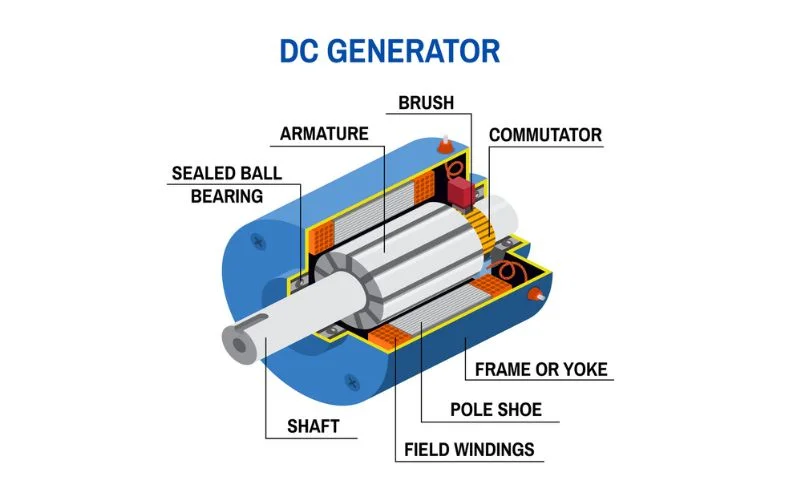
Before delving into the specific types of DC generators, let’s first grasp the fundamental concept behind these devices. A DC generator is a machine that converts mechanical energy into direct current electrical energy. It operates on the principle of Faraday’s law of electromagnetic induction, where the relative motion between a magnetic field and a conductor induces an electromotive force (EMF) in the conductor, thereby generating electricity.
Types of DC Generators
DC generators can be classified into several types based on various factors, such as the method of excitation, connection of field winding, and armature winding. Here are the main types:
Separately Excited DC Generator
The field winding is connected to an independent external DC source in a separately excited DC generator. This external source provides the excitation current to establish the magnetic field within the machine. The armature winding is connected to the load circuit. Separately excited generators offer precise control over the generated voltage, making them suitable for applications requiring stable power output.
Self-Excited DC Generator
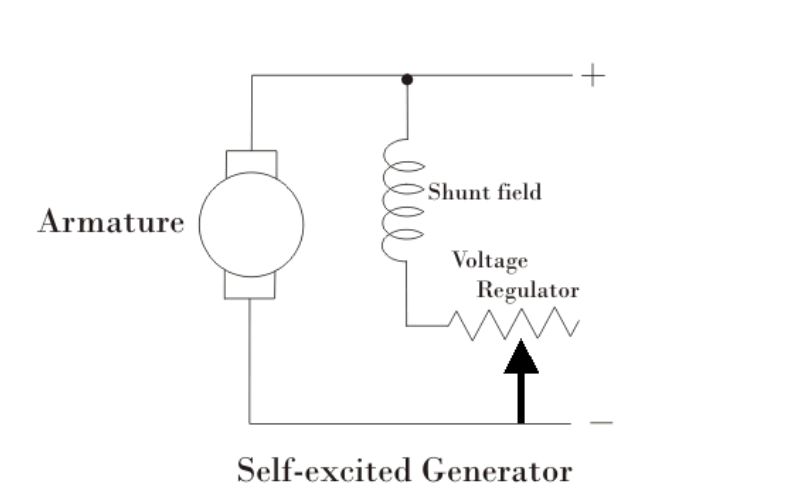
Self-excited DC generators derive the excitation power from the output voltage itself. These generators are further classified into three subtypes:
Series Wound DC Generator
In a series wound DC generator, the field and armature winding are connected in series. As a result, the entire armature current flows through the field winding, generating a strong magnetic field. Series wound generators offer high output voltage but lack voltage regulation, making them suitable for applications with variable loads.
Shunt Wound DC Generator
In a shunt-wound DC generator, the field winding is connected in parallel (shunt) with the armature winding. Consequently, this configuration enables the generator to maintain a constant terminal voltage across varying loads. Shunt-wound generators are extensively used in applications requiring steady-state operation and precise voltage control.
Compound Wound DC Generator
Compound wound DC generators combine the characteristics of both series and shunt wound generators. They feature both a series field winding and a shunt field winding, offering the advantages of both configurations. Compound wound generators provide excellent voltage regulation and are commonly employed in industrial and commercial settings.
Differential Compound DC Generator
A differential compound DC generator is a variation of the compound wound generator, where the series field winding is connected to oppose the shunt field flux. This configuration results in better voltage regulation than conventional compound generators, making it suitable for applications requiring precise control over output voltage.
Permanent Magnet DC Generator
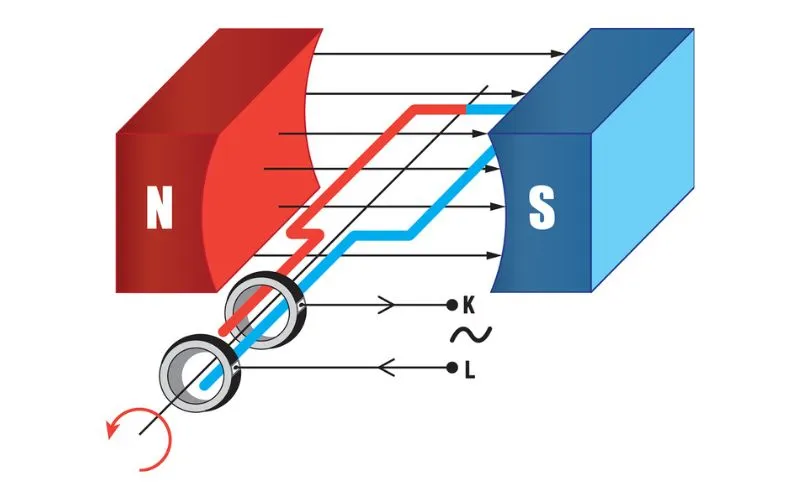
In a permanent magnet DC generator, the magnetic field is provided by permanent magnets rather than electromagnets. These generators eliminate the need for separate excitation sources, simplifying their design and enhancing reliability. Permanent magnet DC generators are compact, lightweight, and suitable for portable or space-constrained applications.
Interpoles DC Generator
Interpoles, also known as commutating poles, are additional poles placed between the main poles of a DC generator. These interpoles are connected in series with the armature winding and are designed to improve commutation by neutralizing armature reaction effects. Interpole DC generators offer enhanced commutation performance and are commonly used in high-speed applications where smooth operation is critical.
Homopolar DC Generator
A homopolar DC generator, a unipolar generator, generates direct current without commutators or brushes. It operates based on the principle of electromagnetic induction, where a conductor moving in a magnetic field generates an electromotive force (EMF). Homopolar generators are characterized by their simplicity and reliability, making them suitable for certain specialized applications such as high-current experiments and research.
Series-Parallel DC Generator
A series-parallel DC generator is a hybrid configuration combining series and parallel connections for the field winding. In this setup, multiple field windings are arranged in series and parallel configurations to achieve specific performance characteristics, such as improved voltage regulation and increased power output. Series-parallel generators offer flexibility in adapting to varying load requirements and operating conditions.
Permanent Magnet Brushless DC Generator
A permanent magnet brushless DC generator eliminates the need for brushes and commutators by utilizing permanent magnets and electronic commutation techniques. These generators offer advantages such as reduced maintenance, higher efficiency, and improved reliability compared to traditional brushed DC generators. Permanent magnet brushless DC generators are commonly used in applications requiring precise control, such as robotics, automotive systems, and renewable energy installations.
Applications of DC Generators
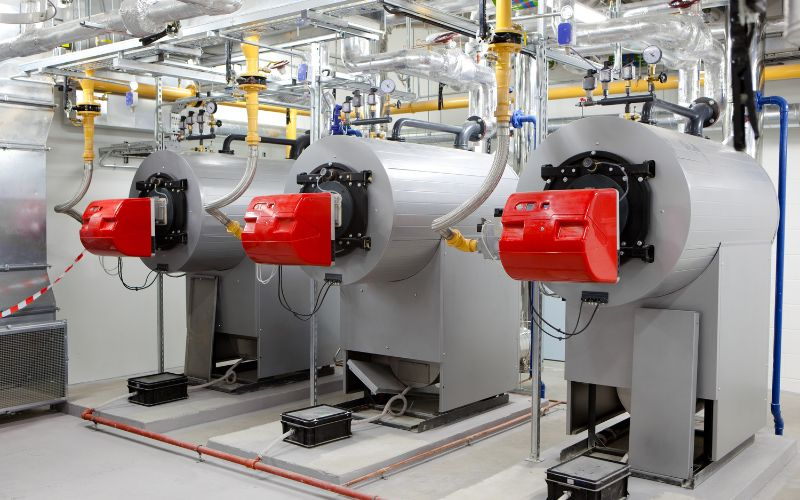
DC generators find applications across various industries and sectors due to their versatility and reliability. Some common DC generator applications include:
- Battery charging systems
- Emergency power backup
- Renewable energy systems (e.g., wind turbines, hydroelectric generators)
- Electric vehicles
- Aerospace and aviation systems
- Telecommunications infrastructure
Conclusion
FAQs
What is the main difference between AC and DC generators?
The primary difference lies in the type of current they produce. AC generators, or alternators, produce alternating current, where the current direction periodically reverses. In contrast, DC generators produce direct current, where the flow of electric charge is unidirectional.
Why is voltage regulation important in DC generators?
Voltage regulation ensures that the generator maintains a consistent output voltage regardless of load or operating conditions fluctuations. This is critical for ensuring the stable operation of electrical systems and protecting connected devices from damage due to voltage spikes or drops.
Can DC generators be used in renewable energy systems?
DC generators are commonly employed in various renewable energy systems, such as wind turbines and hydroelectric generators. These generators convert mechanical energy from renewable sources into electrical energy, which can be stored in batteries or used to power electrical loads directly.