Navigating the World of Vacuum Circuit Breaker
What is a Vacuum Circuit Breaker?
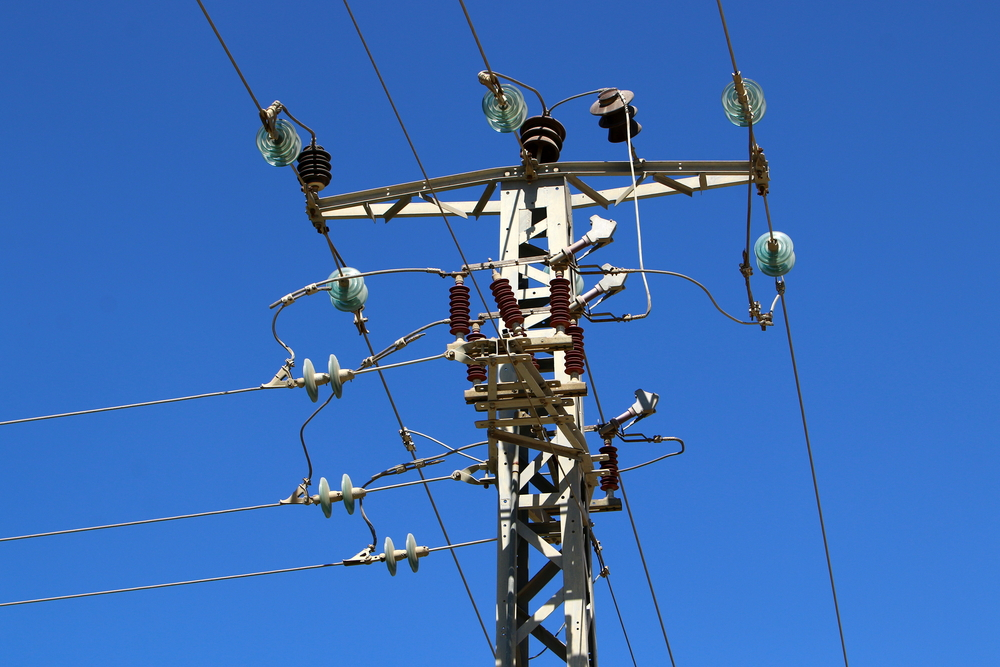
A vacuum circuit breaker (VCB) is a circuit breaker where the arc quenching is done using a fast-extinguishing vacuum medium. Unlike traditional circuit breakers like air circuit breakers that use air or gas for arc extinction, VCBs leverage a vacuum’s superior insulating and arc-quenching properties. This technology ensures a swift and efficient interruption of current flow in case of a fault or overload.
How Does it Work?
The operation of a vacuum circuit breaker involves the creation of a vacuum inside the interrupter chamber. When the contacts of the breaker open, the arc that forms between them is quickly extinguished as it comes into contact with the vacuum. The absence of any medium for ionization and electron acceleration in a vacuum leads to a rapid cessation of the arc, facilitating a reliable circuit interruption.
Advantages of Vacuum Circuit Breaker
VCBs offer several advantages over their counterparts, making them a preferred choice in various applications.
High Dielectric Strength
The vacuum provides excellent dielectric strength, ensuring efficient insulation between the contacts. This characteristic is vital for preventing electrical breakdown and ensuring the integrity of the circuit.
Fast Arc Quenching
One of the key strengths of vacuum circuit breakers is their ability to quench the arc swiftly. The absence of ionization and electron acceleration in a vacuum allows for a quick current interruption, minimizing the potential damage caused by faults.
Low Maintenance
Compared to other types of circuit breakers, VCBs require minimal maintenance. The absence of gases and the self-contained design contribute to a longer operational life and reduced servicing needs.
Environmental Friendly
As vacuum circuit breakers don’t use environmentally harmful gases for arc quenching, they contribute to a greener electrical infrastructure. This enhances overall sustainability.
Applications in Various Industries
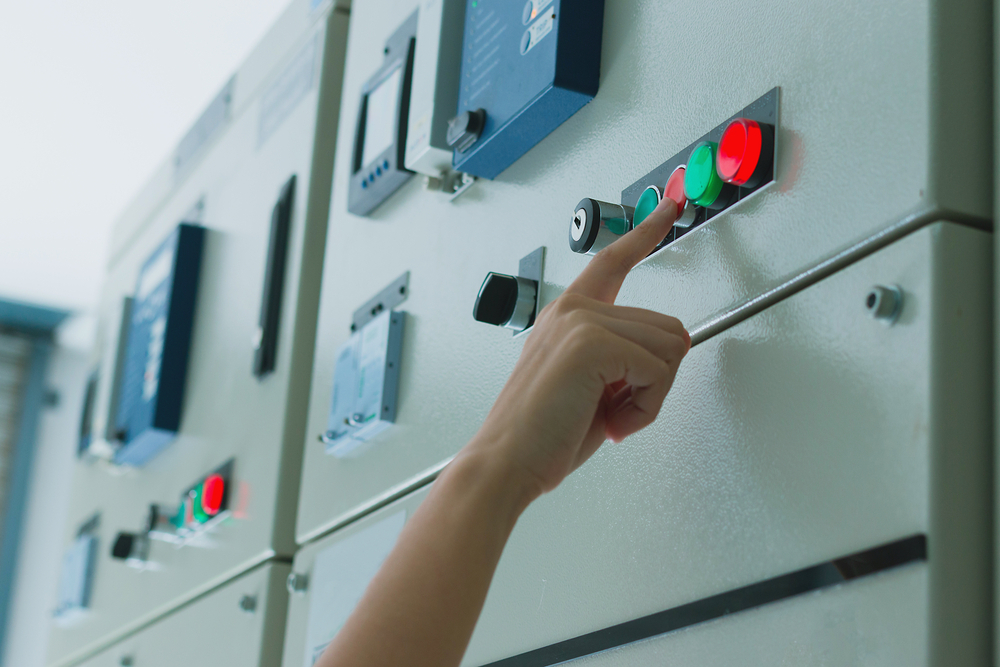
The versatility of vacuum circuit breakers makes them suitable for various applications across different industries.
Power Grids
- Substation Protection and Control: Vacuum circuit breakers are integral components in power substations, where they play a vital role in protecting the substation equipment from faults and ensuring the reliability of the power grid.
- Grid Reliability Enhancement: By swiftly interrupting faulty circuits, VCBs contribute to grid stability and reliability, preventing cascading failures and minimizing downtime.
Manufacturing
- Equipment Protection: In manufacturing plants, especially those with sensitive and expensive equipment, vacuum circuit breakers safeguard machinery from overloads and short circuits. The fast arc quenching capability prevents damage to critical production assets.
- Uninterrupted Production: Ensuring uninterrupted production is crucial for manufacturing processes. Vacuum circuit breakers help maintain a continuous power supply, minimizing disruptions that could lead to production losses.
Transportation
- Railway Electrification Systems: Vacuum circuit breakers are extensively used in railway electrification systems to control and protect the overhead catenary lines. They ensure electric trains’ safe and reliable operation by promptly isolating sections experiencing faults.
- Aviation Ground Power: In airports, vacuum circuit breakers are employed in ground power systems, providing a reliable means to connect aircraft to the electrical grid during boarding, maintenance, and other ground operations.
Renewable Energy
- Wind and Solar Power Plants: As the demand for renewable energy grows, vacuum circuit breaker find application in wind and solar power plants. They protect the electrical infrastructure, such as inverters and transformers, from faults and overloads.
- Grid Integration: VCBs play a crucial role in grid integration for renewable energy sources, ensuring the seamless connection of wind and solar farms to the power grid.
Oil and Gas Industry
- Oil Refineries and Petrochemical Plants: In environments with potentially explosive atmospheres, vacuum circuit breakers are preferred for their safety and reliability. They are employed to protect electrical systems in oil refineries and petrochemical plants.
- Offshore Platforms: Vacuum circuit breakers are suitable for offshore applications where space and weight considerations are critical. Their compact design and high performance make them ideal for protecting electrical systems on offshore platforms.
These diverse applications highlight the adaptability and reliability of vacuum circuit breaker across a spectrum of industries. Their ability to provide effective protection, fast arc quenching, and low maintenance requirements make them a cornerstone technology in ensuring the integrity and efficiency of electrical systems in various sectors.
Future Trends and Innovations
As technology advances, the realm of vacuum circuit breakers is also witnessing innovations aimed at improving performance and efficiency.
Digitalization and Smart Grid Integration
Integration with digital technologies and smart grid systems is becoming increasingly prevalent. This allows for real-time monitoring, predictive maintenance, and enhanced control of electrical networks.
Enhanced Safety Features
Ongoing research focuses on incorporating advanced safety features. These include self-diagnostic capabilities and predictive analytics to reduce failures and enhance system reliability.
Miniaturization and Compact Designs
In response to the growing demand for space-efficient solutions, there is a trend toward developing compact and miniaturized vacuum circuit breaker. This development aims to maintain high performance without compromising on size.
Key Considerations when Choosing Vacuum Circuit Breaker
Voltage Rating
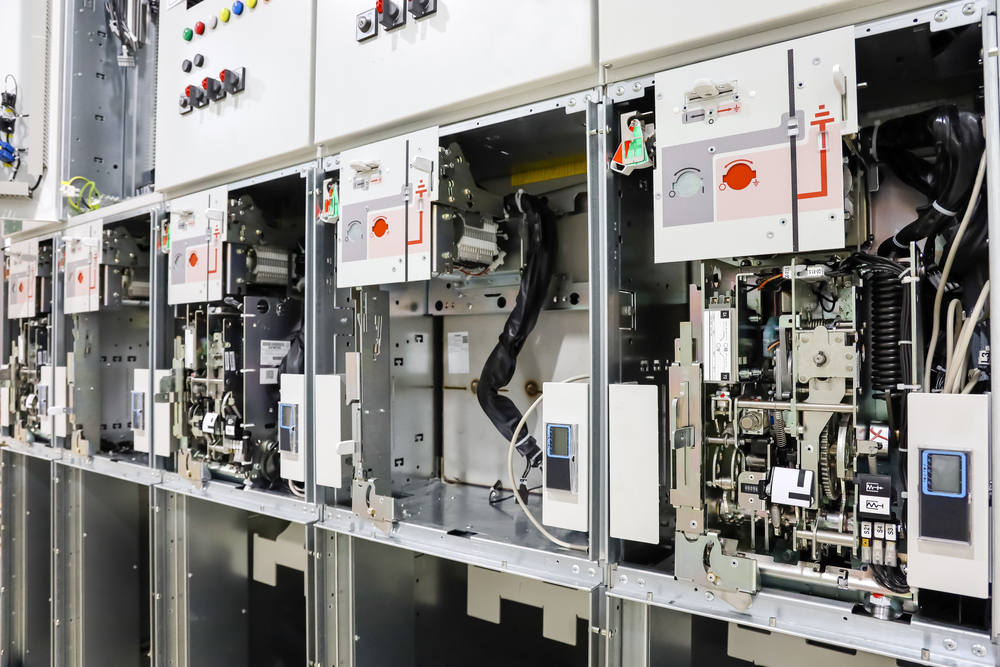
Selecting a VCB with the appropriate voltage rating is essential to ensure compatibility with the electrical system. Voltage requirements may vary based on the specific application, so careful consideration is necessary.
Breaking Capacity
The breaking capacity of a vacuum circuit breaker determines its ability to interrupt currents under different fault conditions. Understanding the specific breaking capacity requirements of the application is crucial for optimal performance.
Environmental Conditions
Consideration of environmental factors, such as temperature and humidity, is vital when choosing a VCB. Some applications may require breakers to withstand harsh environmental conditions, ensuring longevity and reliability.
Conclusion
FAQs
What are the primary advantages of using vacuum circuit breakers?
Vacuum circuit breakers offer high dielectric strength, fast arc quenching, low maintenance requirements, and environmental friendliness.
In which industries are vacuum circuit breakers commonly used?
Vacuum circuit breakers find applications in power grids, manufacturing for equipment protection, and transportation for railway electrification systems, among others.
What future trends can we expect in the development of vacuum circuit breakers?
Future trends include digitalization and smart grid integration, enhanced safety features, and the development of miniaturized and compact designs.