Digital Frequency Meter: Unlocking the Secrets of Signal Analysis
Digital frequency meters have revolutionized the field of signal analysis, allowing us to measure and understand the frequency of electronic signals with unparalleled accuracy. These sophisticated devices have become essential tools for engineers, technicians, and hobbyists, enabling them to troubleshoot and optimize electronic circuits, communications systems, and even musical instruments.
In today’s fast-paced world, where technology is advancing at an unprecedented rate, it is crucial to have reliable and precise instruments to measure and analyze signals. The digital frequency meter, with its ability to accurately determine the frequency of a signal, has become an indispensable tool in various industries.
But what exactly is a digital frequency meter? At its core, it is a device that measures the frequency of an input signal and displays the result in a digital format. Unlike its analog counterpart, which relies on mechanical components and is prone to inaccuracies, the digital frequency meter utilizes advanced digital signal processing techniques to provide highly accurate frequency measurements.
One of the key advantages of digital frequency meters is their versatility. They can measure frequencies across a wide range, from a few hertz to several gigahertz, making them suitable for a broad spectrum of applications. Whether working on audio systems, radio communications, or even microwave technologies, a digital frequency meter will be an invaluable asset in your arsenal.
Moreover, digital frequency meters offer additional features that enhance their functionality. Many models include built-in frequency counters, which can provide precise measurements even in the presence of noise or interference. Some advanced meters also offer the ability to analyze signal waveforms, measure phase differences, and even calculate harmonic distortion.
In conclusion, the digital frequency meter is a powerful tool that has revolutionized signal analysis. Its accuracy, versatility, and advanced features make it an indispensable instrument in various industries. In the following sections, we will delve deeper into the inner workings of digital frequency meters, explore their applications in different fields, and discuss the latest advancements in this fascinating technology. So, buckle up and get ready to unravel the secrets of the digital frequency meter!
What Is a Digital Frequency Meter?
A digital frequency meter is an essential tool used in various industries to measure the frequency of an electrical signal. It provides accurate and precise measurements, making it a valuable instrument for engineers, technicians, and scientists.
One of the key features of a digital frequency meter is its ability to measure frequencies in a wide range, from a few hertz to several gigahertz. This makes it suitable for various applications, including telecommunications, electronics, and power systems.
Digital frequency meters are designed to display the frequency of a signal in real time. They typically have a digital display that shows the frequency in hertz (Hz), kilohertz (kHz), or megahertz (MHz), depending on the range of the instrument. Some advanced models can even display frequencies in gigahertz (GHz).
These meters use various techniques to measure frequency accurately. One common method is a crystal oscillator, which provides a stable and precise reference frequency. The input signal is compared to this reference frequency, and the difference is displayed as the measured frequency.
Digital frequency meters also offer additional features to enhance their functionality. Some models have built-in frequency counters, which can count the number of cycles within a specific period to calculate the frequency. Others may have frequency range selection options or the ability to measure multiple frequencies simultaneously.
In conclusion, a digital frequency meter is a versatile instrument used for measuring the frequency of electrical signals. Its wide frequency range, accuracy, and additional features make it an essential tool in various industries. Whether you’re working in telecommunications, electronics, or power systems, a digital frequency meter can help you analyze and troubleshoot your circuits with precision.
How Does a Digital Frequency Meter Work?
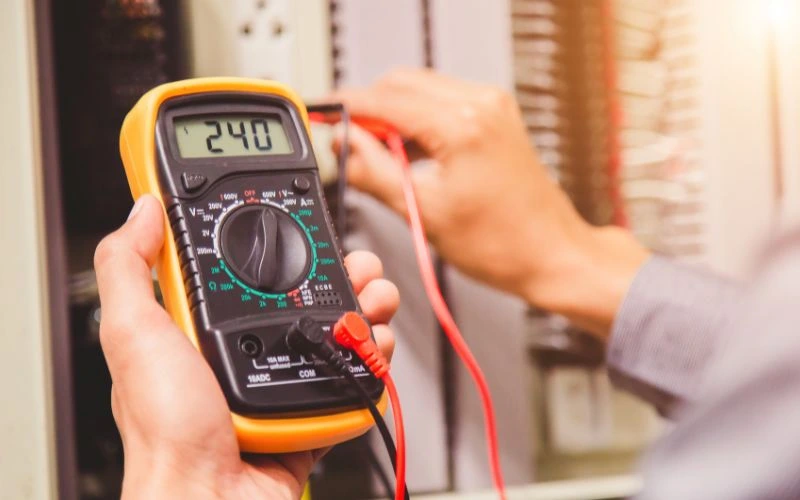
A digital frequency meter is an essential tool used in various industries to measure the frequency of electrical signals. It provides accurate and reliable readings, allowing engineers and technicians to analyze and troubleshoot electrical systems. In this article, we will delve into the inner workings of a digital frequency meter and explore how it functions.
At its core, a digital frequency meter uses frequency counting to determine the frequency of an input signal. It starts by converting the analog signal into a digital format using an analog-to-digital converter (ADC). Once the signal is digitized, it can be processed and analyzed by the meter’s circuitry.
The digital frequency meter utilizes a technique known as time interval measurement to calculate the frequency. It measures the interval between consecutive rising or falling edges of the input signal and then calculates the reciprocal of this time interval to obtain the frequency. This process is repeated multiple times to ensure accuracy and reliability.
To display the frequency, the digital frequency meter employs a digital display such as an LCD or LED screen. The measured frequency is converted into a numerical value and displayed in hertz (Hz), kilohertz (kHz), or megahertz (MHz), depending on the range of the meter.
Some advanced digital frequency meters offer features such as frequency range selection, peak and average frequency measurements, and waveform analysis. These features enhance the versatility and functionality of the meter, allowing users to perform more advanced measurements and analyses.
In conclusion, a digital frequency meter works by converting the analog input signal into a digital format, measuring the time interval between signal edges, and calculating the frequency based on this time interval. It is a vital tool for engineers and technicians in various industries, providing accurate frequency measurements for analysis and troubleshooting purposes.
What Are the Applications of a Digital Frequency Meter?
A digital frequency meter is widely used in various industries and applications. Its primary function is to measure the frequency of an electrical signal accurately. This measurement is crucial for many different purposes, and the digital frequency meter finds its applications in a wide range of fields.
One of the most common applications of a digital frequency meter is in the field of electronics. Engineers and technicians use it to measure the frequency of electronic signals in circuits and devices. This information is essential for troubleshooting and diagnosing problems in electronic systems. By accurately measuring the frequency, engineers can identify any abnormalities and take appropriate action to rectify them.
In the telecommunications industry, digital frequency meters are used to measure the frequency of signals in communication networks. This helps in maintaining the quality and reliability of the network by ensuring that the signals are within the desired frequency range. It also aids in the calibration and testing of communication equipment.
Digital frequency meters are also extensively used in the field of audio engineering. They measure the frequency of audio signals, allowing sound engineers to fine-tune audio systems and ensure optimal sound quality. By accurately measuring the frequency, they can adjust the equalization and balance of audio signals to achieve the desired effect.
In the field of power generation and distribution, digital frequency meters play a crucial role. They measure the frequency of electrical power systems, ensuring the frequency remains stable and within the acceptable range. This helps in maintaining the synchronization of generators and preventing any potential damage to equipment.
In conclusion, digital frequency meters have numerous applications across various industries. From electronics to telecommunications, audio engineering to power generation, these meters are essential for accurate frequency measurement. Their versatility and reliability make them indispensable in many fields, contributing to the smooth operation and maintenance of various systems and equipment.
What Are the Advantages of Using a Digital Frequency Meter?

A digital frequency meter is a device used to measure the frequency of an electrical signal. It offers several advantages over its analog counterpart, making it an essential tool in various industries.
One of the primary advantages of using a digital frequency meter is its accuracy. Digital meters provide precise measurements, allowing for more reliable data analysis. This accuracy is especially crucial in fields such as telecommunications, where even the slightest deviation in frequency can lead to significant issues.
Another advantage is the ease of use. Digital frequency meters typically come with user-friendly interfaces and clear displays, making them accessible to professionals and beginners. The readings are often presented in numerical form, eliminating the need for manual interpretation. This simplicity saves time and minimizes the chances of errors.
Digital frequency meters also offer a wide frequency range. They can measure frequencies from a few hertz to several gigahertz, catering to a broad spectrum of applications. This versatility makes them suitable for various industries, including electronics, telecommunications, and aerospace.
Furthermore, digital frequency meters often have additional features that enhance their functionality. These may include data logging capabilities, waveform analysis, and the ability to measure multiple parameters simultaneously. Such features provide users with a comprehensive analysis of the signal under investigation.
In conclusion, the advantages of using a digital frequency meter are clear. Its accuracy, ease of use, wide frequency range, and additional features make it an indispensable tool in many industries. Whether in research laboratories, manufacturing facilities, or telecommunications companies, a digital frequency meter is essential for precise frequency measurements.
What Are the Disadvantages of Using a Digital Frequency Meter?
Digital frequency meters are widely used in various industries for measuring the frequency of electrical signals. While they offer several advantages over their analog counterparts, they also come with a few disadvantages that users should be aware of.
One of the main disadvantages of using a digital frequency meter is its limited frequency range. Unlike analog frequency meters, which can measure a wide range of frequencies, digital frequency meters have a specific range within which they can operate accurately. This means that if you need to measure frequencies outside of this range, you must use a different type of meter.
Another disadvantage of digital frequency meters is their sensitivity to noise. Electrical noise can interfere with the accuracy of the measurements taken by these meters, leading to inaccurate results. To mitigate this issue, users often have to employ additional filtering techniques or shielded cables, which can add to the overall cost and complexity of the measurement setup.
Digital frequency meters also require a stable power supply to function properly. Fluctuations in the power supply can affect the accuracy of the measurements, leading to unreliable results. This means that users need to ensure that they have a stable power source or use power conditioning equipment to minimize the impact of power fluctuations.
Furthermore, digital frequency meters can be more expensive compared to analog meters. The advanced technology and additional features offered by digital meters often come at a higher price point. This can disadvantage users on a tight budget or only require basic frequency measurement capabilities.
In conclusion, while digital frequency meters offer many advantages, such as higher accuracy and better resolution, they also come with disadvantages. These include limited frequency range, sensitivity to noise, dependency on a stable power supply, and higher cost. Despite these drawbacks, digital frequency meters remain a popular choice for many applications due to their advanced features and capabilities.
How to Calibrate a Digital Frequency Meter?

Calibrating a digital frequency meter is an essential step to ensure accurate measurements and reliable performance. Whether you are a professional technician or a hobbyist, understanding the calibration process is crucial for obtaining precise frequency readings. In this article, we will guide you through the steps to calibrate your digital frequency meter effectively.
Firstly, it is important to gather the necessary equipment for calibration. You will need a stable and accurate frequency source, such as a function generator or a signal generator. Additionally, a multimeter with frequency measurement capability can help verify the accuracy of your frequency meter.
Once you have the required equipment, start by connecting the frequency source to the input of your digital frequency meter. Set the frequency source to a known value within the range of your meter’s capabilities. It is recommended to choose a frequency that is close to the middle of the range for better accuracy.
Next, compare the reading on your digital frequency meter with the known frequency value from the frequency source. If there is a significant difference, you will need to adjust the calibration of your meter. Most digital frequency meters have a calibration feature that allows you to adjust.
To calibrate your meter, refer to the user manual for specific instructions. Typically, you must access the calibration mode and adjust the calibration settings using the provided controls. Follow the steps carefully to ensure accurate calibration.
After making the necessary adjustments, recheck the frequency readings on your digital frequency meter. Repeat the process if needed until the readings match the known frequency value accurately.
Calibrating your digital frequency meter is a crucial step to ensure accurate frequency measurements. By following these steps and referring to the user manual, you can calibrate your meter effectively and maintain its accuracy over time. Remember to periodically check and recalibrate your meter to account for any changes or drift in its performance.
What Are the Different Types of Digital Frequency Meters?
Digital frequency meters are essential tools used in various industries to measure the frequency of electrical signals accurately. These devices play a crucial role in ensuring the stability and efficiency of electronic systems. With technological advancements, different types of digital frequency meters have been developed to cater to specific needs and applications. In this article, we will explore some of the most common types of digital frequency meters used today.
One of the popular types is the handheld digital frequency meter. These compact and portable devices are commonly used in fieldwork and on-the-go measurements. They are lightweight, easy to use, and provide accurate frequency readings. Handheld frequency meters are ideal for technicians and engineers who need to perform quick measurements in different locations.
Another type is the benchtop digital frequency meter. These larger meters are designed for more precise and advanced frequency measurements. Benchtop frequency meters often come with features such as waveform analysis, harmonic analysis, and frequency synthesis. They are commonly used in research laboratories, manufacturing facilities, and educational institutions.
In addition to handheld and benchtop frequency meters, there are rack-mounted frequency meters. These meters are designed to be mounted on racks or cabinets and are commonly used in industrial applications. Rack-mounted frequency meters are known for their durability and reliability, making them suitable for continuous monitoring and control systems.
Furthermore, there are specialized frequency meters designed for specific applications. For example, there are frequency meters specifically designed for radio frequency (RF) measurements, audio frequency measurements, and power frequency measurements. These specialized meters provide accurate readings tailored to the specific frequency range of interest.
In conclusion, digital frequency meters come in various types to cater to different needs and applications. Whether you require a handheld meter for fieldwork or a benchtop meter for advanced measurements, there is a digital frequency meter available to suit your requirements. By understanding the different types of frequency meters, you can make an informed decision when selecting the right one for your specific needs.
What Are the Key Features to Consider When Buying a Digital Frequency Meter?
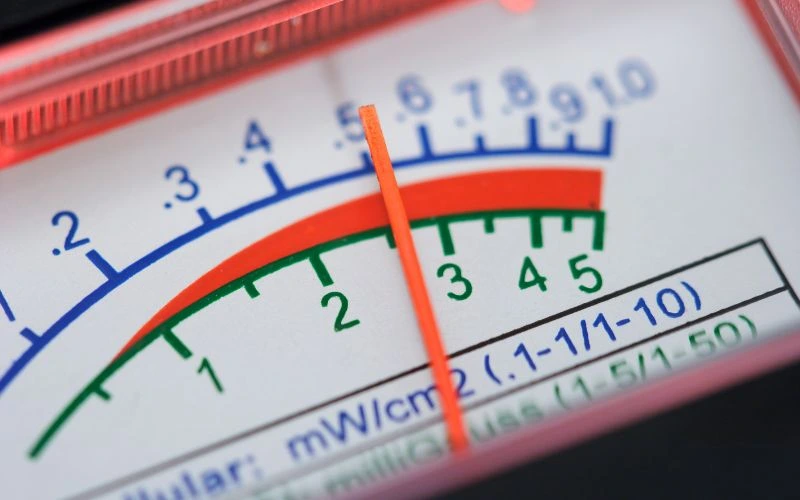
When it comes to purchasing a digital frequency meter, there are several key features that you should consider. These features will ensure you get the most accurate and reliable measurements for your needs. In this article, we will explore these important features to help you make an informed decision.
One of the first features to consider is the frequency range of the meter. Different frequency meters have different ranges, so it’s important to choose one that aligns with your requirements. Whether you need to measure low or high frequencies, selecting a meter with the appropriate range is crucial.
Accuracy is another crucial factor to consider. The accuracy of a digital frequency meter is typically measured in terms of its resolution and precision. Higher resolution and precision will provide more accurate measurements, so it’s important to choose a meter that offers the level of accuracy you require.
Ease of use is also an important consideration. Look for a digital frequency meter with a user-friendly interface and intuitive controls. This will ensure that you can easily navigate through the settings and obtain the desired measurements without any hassle.
Durability and build quality should not be overlooked. A digital frequency meter built to last will offer you years of reliable service. Look for meters that are made from high-quality materials and have a sturdy construction.
Additional features such as data logging, connectivity options, and power options can also enhance the meter’s functionality. Consider your specific needs and look for a meter that offers the features that will be most beneficial to you.
In conclusion, when buying a digital frequency meter, it’s important to consider the frequency range, accuracy, ease of use, durability, and additional features. By carefully evaluating these key features, you can ensure that you choose a meter that meets your requirements and provides accurate and reliable frequency measurements.
In conclusion, this post has covered many topics related to the keyword “digital frequency meter”. We have explored what a digital frequency meter is and how it works, as well as its various applications in different industries.
One of the key advantages of using a digital frequency meter is its accuracy and precision in measuring frequency, making it an essential tool for engineers and technicians. However, it is important to note that there are also disadvantages, such as the potential for interference and the need for calibration.
Speaking of calibration, we have provided a step-by-step guide on calibrating a digital frequency meter, ensuring accurate readings. Additionally, we have discussed the different types of digital frequency meters available in the market, allowing readers to choose the one that best suits their needs.
When buying a digital frequency meter, it is crucial to consider key features such as frequency range, accuracy, and display options. These factors will determine the effectiveness and usability of the meter.
The keyword “digital frequency meter” cannot be understated, as it plays a crucial role in various industries, including telecommunications, electronics, and manufacturing. As technology advances, we expect further developments and enhancements in digital frequency meters, making them even more reliable and efficient.
We want to express our gratitude to all our readers for taking the time to go through this post. We encourage you to leave any comments or feedback, as your input is valuable to us. If you have any further questions or need more information on this topic, please don’t hesitate to reach out.
In conclusion, a digital frequency meter is an indispensable tool for anyone working with frequency measurements. By understanding its functions, advantages, and disadvantages, as well as considering the key features when purchasing, you can ensure accurate and reliable frequency measurements. Keep an eye out for future developments in this field as technology evolves. Thank you for reading, and we look forward to your thoughts and comments.