NPN Transistor: Unlocking the Power of Modern Electronics
In the world of modern electronics, there is a tiny yet mighty device that plays a crucial role in amplifying and switching electronic signals – the NPN transistor. This small semiconductor component has revolutionized how we design and build electronic circuits, enabling the creation of complex systems that have transformed our lives.
The NPN transistor, short for Negative-Positive-Negative transistor, is one of the most commonly used types of bipolar junction transistors (BJTs). It consists of three layers of semiconductor material – two layers of negatively charged material sandwiching a positively charged layer. This unique structure allows for the flow of electric current and the amplification of signals.
With its ability to amplify weak signals and control larger currents, the NPN transistor has become an indispensable component in various electronic devices. From simple household appliances to complex computer systems, this tiny device has found its way into almost every aspect of our daily lives.
But how exactly does the NPN transistor work? What are its key characteristics and applications? How does it fit into the broader field of electronics? These are just some questions we will explore in this in-depth series on NPN transistors.
Throughout this series, we will delve into the inner workings of the NPN transistor, examining its structure, principles of operation, and various configurations. We will explore its role in amplification, switching, and signal processing, uncovering the secrets behind its remarkable capabilities.
So, join us on this exciting journey as we unravel the mysteries of the NPN transistor. From its humble beginnings to its widespread use in modern electronics, we will uncover the fascinating world of this tiny yet powerful device. Get ready to dive deep into the world of NPN transistors and discover the endless possibilities they offer in electronic engineering.
What Is an NPN Transistor?
NPN transistors are a fundamental component of modern electronics. They play a crucial role in amplification and switching circuits, making them essential in various applications. Understanding the basics of NPN transistors is key to comprehending their significance in different electronic devices.
At its core, an NPN transistor consists of three layers of semiconductor material: the emitter, base, and collector. The NPN designation refers to the arrangement of these layers. The emitter is made of N-type material, while the base and collector are made of P-type material. This arrangement allows current flow from the emitter to the collector when a small current is applied to the base.
One of the key features of NPN transistors is their ability to amplify current. By controlling the current at the base, a much larger current can flow from the emitter to the collector. This property makes NPN transistors invaluable in audio amplifiers, power supplies, and other applications that require signal amplification.
NPN transistors are also commonly used as switches. By applying a small current to the base, the transistor can be turned on, allowing a larger current to flow through the collector and emitter. This switching capability is crucial in digital circuits, where transistors are used to control the flow of information.
In conclusion, NPN transistors are a vital component in modern electronics. Their ability to amplify current and act as switches makes them indispensable in a wide range of applications. Understanding the basics of NPN transistors is essential for anyone interested in electronics.
How Does an NPN Transistor Work?
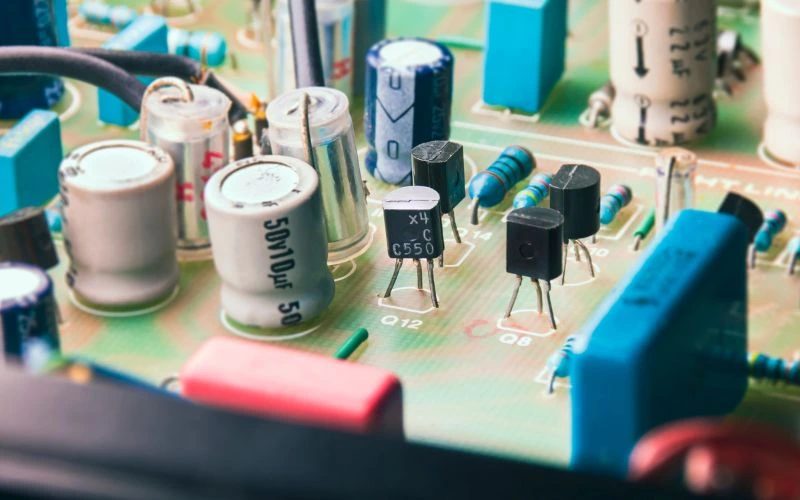
NPN transistors are essential in modern electronic devices, playing a crucial role in amplification and switching circuits. Understanding how these transistors work is fundamental for anyone interested in electronics. In this article, we will delve into the inner workings of an NPN transistor, providing a comprehensive explanation without overwhelming technical jargon.
At its core, an NPN transistor consists of three layers of semiconductor material: the emitter, base, and collector. The NPN designation refers to the types of doping used in these layers, with the base being lightly doped and the emitter and collector being heavily doped. This doping creates a concentration gradient, allowing current flow through the transistor.
When a voltage is applied across the base-emitter junction, a small current flows into the base, which controls the flow of a much larger current from the collector to the emitter. This phenomenon is known as transistor action and forms the basis for amplification. By varying the base current, the collector current can be controlled, allowing for precise amplification of signals.
Another important aspect of NPN transistors is their ability to act as switches. When no current flows into the base, the transistor is in its off state, and the collector current is minimal. However, when a small current is applied to the base, the transistor turns on, allowing a larger current to flow from the collector to the emitter. This property makes NPN transistors invaluable in digital logic circuits and other applications that require precise control of current flow.
In conclusion, NPN transistors are versatile devices that enable amplification and switching in electronic circuits. By understanding the principles behind their operation, we can harness their power in various applications. Stay tuned for our next article, where we will explore the practical uses of NPN transistors in more detail.
What Are the Applications of NPN Transistors?
NPN transistors are a key component in many electronic devices and systems, finding applications in various industries. These transistors, with three layers of semiconductor material, are commonly used for amplification and switching purposes. Their unique properties make them suitable for multiple applications, making them an essential component in modern technology.
One of the primary applications of NPN transistors is in audio amplification. They are used in audio systems, such as amplifiers and speakers, to boost the signal strength and provide clear and powerful sound output. NPN transistors allow for efficient amplification of weak audio signals, enhancing the overall audio experience.
In the field of telecommunications, NPN transistors play a vital role. They are used in radio frequency (RF) circuits, allowing for the transmission and reception of signals. These transistors enable the amplification and modulation of RF signals, ensuring seamless communication across various devices and networks.
NPN transistors are also commonly found in digital logic circuits. They are used as switches to control the current flow through different components, enabling the creation of complex digital systems. These transistors form the building blocks of digital devices, such as computers, smartphones, and microcontrollers.
Additionally, NPN transistors find applications in power supply circuits. They regulate and control the flow of electrical power, ensuring stable and reliable power delivery. These transistors help in voltage regulation, current limiting, and protection against overloads, making them crucial for power management in electronic devices.
In conclusion, NPN transistors have diverse applications in various industries, including audio amplification, telecommunications, digital logic circuits, and power supply circuits. Their ability to amplify and switch signals efficiently makes them indispensable in modern technology. Whether enhancing sound quality, enabling communication, or controlling power flow, NPN transistors play a vital role in shaping our interconnected world.
What Are the Advantages of NPN Transistors?
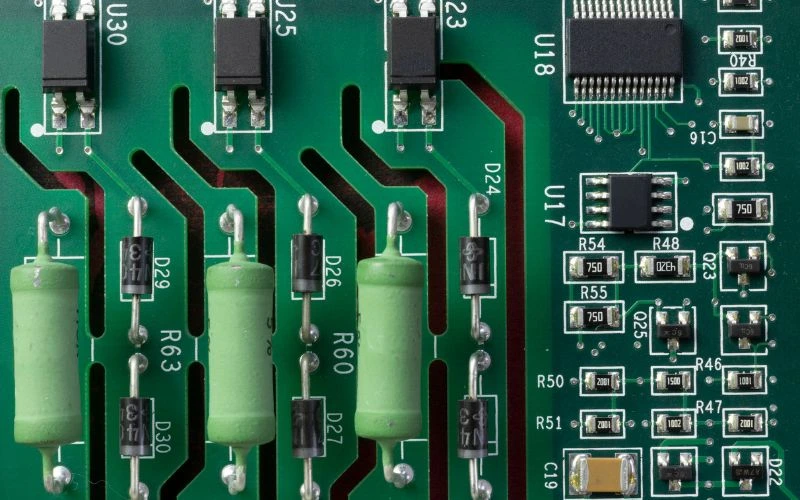
NPN transistors are an essential component of modern electronic devices. They offer several advantages that make them a popular choice in various applications. Understanding the advantages of NPN transistors is crucial for anyone working in electronics.
One significant advantage of NPN transistors is their high current gain. This means that a small input current can control a much larger output current, allowing for the amplification of signals. This property makes NPN transistors ideal for use in audio amplifiers, where a weak audio signal needs to be amplified to drive a speaker.
Another advantage of NPN transistors is their low power consumption. They have a low voltage drop across the collector-emitter junction, meaning they can operate efficiently even with low power supplies. This makes them suitable for battery-powered devices, where power efficiency is crucial.
NPN transistors also have a fast switching speed. They can switch on and off rapidly, allowing for high-frequency applications. This makes them suitable for telecommunications, where fast switching is required for transmitting and receiving signals.
Furthermore, NPN transistors have a high level of noise immunity. They can effectively filter out unwanted noise signals, ensuring the desired signal remains clear and undistorted. This property makes them valuable in applications such as radio receivers and audio equipment.
In conclusion, NPN transistors offer several advantages that make them a preferred choice in many electronic applications. Their high current gain, low power consumption, fast switching speed, and noise immunity make them versatile and efficient. By understanding these advantages, engineers and electronics enthusiasts can make informed decisions when designing and implementing electronic circuits.
What Are the Disadvantages of NPN Transistors?
NPN transistors are widely used in various electronic devices due to their versatility and reliability. However, like any other technology, they also come with their own set of disadvantages. Understanding these drawbacks is crucial for engineers and enthusiasts working with NPN transistors.
One of the primary disadvantages of NPN transistors is their limited power-handling capability. Compared to their PNP counterparts, NPN transistors have a lower power rating. This means that they are not suitable for high-power applications and may not be able to handle large currents or voltages. It is important to carefully consider the power requirements of a circuit before using NPN transistors.
Another disadvantage of NPN transistors is their temperature sensitivity. These transistors can experience thermal runaway, where an increase in temperature leads to an increase in current, raising the temperature further. This can destroy the transistor if not properly managed. Thermal management techniques, such as heat sinks and thermal compounds, are often necessary when using NPN transistors.
Furthermore, NPN transistors have a relatively low input impedance. This means that they require a higher input current to operate properly. In some cases, this can lead to additional circuit complexity, as other components may be needed to drive the transistor.
Lastly, NPN transistors have a limited frequency response. They are not ideal for high-frequency applications, as their performance degrades at higher frequencies. For such applications, other types of transistors, such as field-effect transistors (FETs), maybe more suitable.
In conclusion, while NPN transistors offer many advantages, it is important to be aware of their limitations. Understanding the disadvantages of NPN transistors allows engineers to make informed decisions when designing circuits and selecting components.
What Is the Symbol for an NPN Transistor?

The symbol for an NPN transistor is a key component in understanding the functionality of this important electronic device. NPN transistors are widely used in various applications, including amplification, switching, and signal processing. Understanding their symbol is crucial for anyone working with electronic circuits.
The symbol for an NPN transistor consists of three layers, represented by three lines. The middle line represents the base, while the outer lines represent the emitter and collector. The arrowhead on the emitter line indicates the direction of conventional current flow. This symbol is universally recognized and used in circuit diagrams and schematics.
When analyzing a circuit diagram, it is important to note that the NPN transistor symbol is always drawn with the emitter arrow pointing away from the base. This convention helps ensure consistency and clarity when reading and interpreting circuit diagrams.
By understanding the symbol for an NPN transistor, engineers and hobbyists can easily identify and troubleshoot transistor-related issues in electronic circuits. It allows them to determine the correct orientation of the transistor and ensure that it is properly connected within the circuit.
In conclusion, the symbol for an NPN transistor is a crucial element in understanding and working with these electronic devices. Its universal recognition and consistent representation in circuit diagrams make it an essential tool for engineers and hobbyists. By familiarizing themselves with the NPN transistor symbol, individuals can confidently design, analyze, and troubleshoot electronic circuits.
What Are the Characteristics of NPN Transistors?
NPN transistors are a fundamental component of modern electronics, widely used in amplification, switching, and digital logic circuits. Understanding their characteristics is crucial for anyone working with electronic devices. In this article, we will delve into the key features of NPN transistors and their importance in circuit design.
One of the primary characteristics of NPN transistors is their ability to amplify electrical signals. By controlling the current flow between the collector and emitter terminals, NPN transistors can significantly increase the strength of a weak input signal. This feature makes them ideal for applications such as audio amplifiers and radio receivers.
Another crucial aspect of NPN transistors is their ability to switch on and off rapidly. This property allows them to act as electronic switches, controlling the current flow in a circuit. NPN transistors are commonly used in digital logic circuits, enabling the creation of complex circuits that perform calculations and execute instructions.
NPN transistors also exhibit a high input impedance, requiring very little current to drive them. This characteristic makes them compatible with various input devices, including microcontrollers and sensors. Additionally, NPN transistors have a low output impedance, enabling them to drive loads efficiently without significant signal degradation.
Furthermore, NPN transistors are known for their versatility and robustness. They can handle high currents and voltages, making them suitable for power applications. Additionally, NPN transistors have excellent temperature stability, ensuring reliable operation across various environmental conditions.
In conclusion, NPN transistors possess several key characteristics that make them essential components in modern electronics. Their ability to amplify signals, switch rapidly, and handle high currents and voltages makes them invaluable in various applications. By understanding these characteristics, engineers, and hobbyists can leverage the full potential of NPN transistors in their circuit designs.
What Is the Difference Between NPN and PNP Transistors?

NPN and PNP transistors are two types of bipolar junction transistors (BJTs) widely used in electronic circuits. Understanding the differences between these two types of transistors is essential for anyone working with electronics.
One key difference between NPN and PNP transistors lies in their structure. NPN transistors comprise three layers of semiconductor material: a thin layer of P-type material sandwiched between two layers of N-type material. On the other hand, PNP transistors have a thin layer of N-type material sandwiched between two layers of P-type material.
Another important difference is in the way current flows through these transistors. In an NPN transistor, current flows from the emitter (N-type material) to the base (P-type material) and then to the collector (N-type material). This type of transistor is commonly used for amplification and switching applications. In contrast, in a PNP transistor, current flows from the emitter (P-type material) to the base (N-type material) and then to the collector (P-type material). PNP transistors are also used for amplification and switching, but their polarity is opposite to that of NPN transistors.
The polarity difference between NPN and PNP transistors affects how they are biased in a circuit. Biasing refers to establishing a suitable operating point for the transistor. The biasing arrangement determines whether the transistor is in an active or cutoff state. The biasing arrangement for NPN and PNP transistors differs due to their polarity differences.
In summary, NPN and PNP transistors differ in structure, current flow, and biasing arrangements. Understanding these differences is crucial for designing and troubleshooting electronic circuits. Whether you are an electronics hobbyist or a professional, having a clear understanding of NPN and PNP transistors will greatly enhance your ability to work with these essential components.
In conclusion, this post has covered many topics related to the keyword “npn transistor.” We have explored the fundamentals of NPN transistors, their working principles, applications, advantages, and disadvantages. Additionally, we have discussed the symbol and characteristics of NPN transistors, as well as the key differences between NPN and PNP transistors.
Throughout this post, we have highlighted the significance of NPN transistors in modern electronics. These tiny devices play a crucial role in amplification, switching, and signal processing. They are widely used in various electronic devices, such as amplifiers, oscillators, and digital logic circuits. Understanding the working principles and characteristics of NPN transistors is essential for anyone involved in electronics design and troubleshooting.
As we move forward, it is important to stay updated with the latest developments and trends in transistor technology. The field of electronics is constantly evolving, and new advancements are being made to improve the performance and efficiency of NPN transistors. Keeping an eye on emerging technologies, such as nanoscale transistors or novel materials, can provide valuable insights for future applications.
To make the most out of NPN transistors, it is crucial to consider their advantages and disadvantages. While NPN transistors offer high current gain, low output impedance, and compatibility with positive logic, they also have limitations, including the need for external biasing and vulnerability to temperature variations. By understanding these characteristics, engineers can make informed decisions when selecting and implementing NPN transistors in their designs.
In conclusion, NPN transistors are a cornerstone of modern electronics, enabling the development of innovative and efficient electronic devices. We hope this post has provided valuable insights and knowledge about NPN transistors. We encourage you to leave any comments or feedback, as we value your input. Thank you for reading, and we look forward to continuing the discussion on this fascinating topic.