Understanding the Intricacies of Alternator Working Principle
In automotive engineering, alternators are pivotal in powering vehicles’ electrical systems. Whether you’re a car enthusiast, a budding mechanic, or simply curious about how your car generates electricity, delving into the alternator’s working principle is fascinating. In this comprehensive guide, we will explore the inner workings of alternators, shedding light on their essential components, functions, and the science behind their operation.
Introduction to Alternators
Before diving into the working principle of alternators, let’s establish a fundamental understanding of what an alternator is. An alternator is an electrical generator that converts mechanical energy, usually from an engine’s rotation, into electrical energy. It’s a vital component in automobiles, as it supplies power to various electrical systems, such as lights, air conditioning, and the car’s battery.
The Components of an Alternator
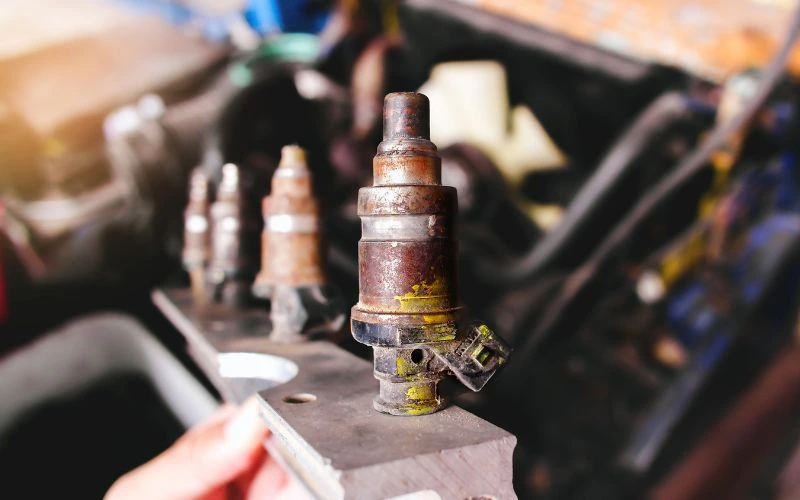
To grasp the working principle of an alternator, it’s crucial to familiarize yourself with its key components:
Rotor
The rotor, often referred to as the armature, is the heart of the alternator. It consists of a coil of wire wrapped around an iron core. The rotor is connected to the engine’s crankshaft and rotates at the same speed as the engine.
Stator
Surrounding the rotor is the stator, a stationary component with multiple wire coils. When the rotor rotates, these coils are strategically positioned to generate a magnetic field.
Voltage Regulator
The voltage regulator is essential to the alternator, ensuring consistent voltage output. It monitors the electrical system’s needs and adjusts the alternator’s output accordingly.
Rectifier
The rectifier is responsible for converting the alternating current (AC) produced by the alternator into direct current (DC), which is the type of electricity used by the vehicle’s electrical systems and battery.
The Alternator Working Principle

Now that we’re acquainted with the main components let’s delve into how an alternator works. The alternator’s operation can be summarized in a series of steps:
Step 1: Mechanical Energy Input
The process begins with the vehicle’s engine. As the engine runs, it drives the alternator’s rotor through a belt or pulley system. This mechanical energy input is essential for the alternator’s functioning.
Step 2: Magnetic Field Generation
As the rotor spins, it creates a rotating magnetic field within the stator. This magnetic field is crucial to the generation of electricity.
Step 3: Electromagnetic Induction
According to Faraday’s law of electromagnetic induction, a changing magnetic field induces an electromotive force (EMF) in nearby conductors. In the alternator’s case, the rotating magnetic field within the stator induces an alternating current (AC) in the stator coils.
Step 4: Rectification
Since most automotive electrical systems and batteries require direct current (DC), the AC produced by the alternator needs to be converted. This is where the rectifier comes into play. It transforms the AC into DC using a set of diodes, allowing for a unidirectional flow of electricity.
Step 5: Voltage Regulation
The voltage regulator monitors the vehicle’s electrical demands and adjusts the alternator’s output accordingly. This ensures that the electrical systems receive a steady power supply, preventing overcharging or undercharging of the battery.
Maintenance Tips for Your Vehicle’s Alternator
To ensure your alternator continues to function optimally, consider the following maintenance tips:
Regular Inspections
Include alternator inspections as part of your routine vehicle maintenance. A visual check for loose connections, damaged wiring, or worn-out belts can help identify potential issues early on.
Belt Tension Checks
The alternator is typically connected to the engine through a belt. Ensure that the belt is properly tensioned. A loose or damaged belt can affect the alternator’s performance.
Battery Health
The alternator and the battery work in tandem. A weak or failing battery can strain the alternator excessively, potentially leading to premature failure. Regularly check and replace your vehicle’s battery as needed.
Cleanliness
Keep the alternator and its surroundings clean and free from debris and contaminants. Dust and grime can accumulate on the alternator, affecting its cooling and electrical conductivity.
Professional Maintenance
If you suspect alternator issues or experience symptoms like dimming lights or slow engine cranking, consult a professional mechanic for a thorough inspection. They can diagnose the problem and recommend necessary repairs or replacements.
Conclusion
In conclusion, understanding an alternator’s working principle enlightens and empowers you to appreciate the intricate electrical systems that keep your vehicle running smoothly. From the rotor’s rotation to the rectification process, each component ensures your car’s electrical systems receive the power they need to operate efficiently. So, the next time you turn the key and your vehicle springs to life, you’ll have a deeper appreciation for the unsung hero known as the alternator.
FAQs
1. Why is an alternator necessary in a vehicle?
An alternator is essential in a vehicle because it generates the power to charge the battery and supply electricity to various systems, including lights, radio, air conditioning, and more. The battery would quickly discharge without an alternator, leading to a breakdown.
2. What are the signs of a failing alternator?
A failing alternator can manifest through various symptoms, including dimming headlights, a warning light on the dashboard (usually shaped like a battery), difficulty starting the vehicle, and strange noises coming from the engine area. If you notice any of these signs, it’s crucial to have your alternator inspected and, if necessary, replaced.
3. Can I replace an alternator myself?
While some experienced DIY mechanics can replace an alternator, it’s generally a complex task that requires knowledge of the vehicle’s electrical system and mechanical components. Additionally, special tools may be needed. If you’re unsure of your skills or lack the necessary tools, it’s advisable to seek the assistance of a professional mechanic to ensure a successful alternator replacement.