

Safeguarding Electrical Systems with Air Circuit Breakers
In the world of electrical systems, safety and reliability are paramount. One essential component that plays a pivotal role in ensuring the integrity of electrical circuits is the Air Circuit Breaker (ACB). ACBs are crucial devices that protect electrical systems from overcurrents and short circuits, safeguarding equipment and personnel. This comprehensive guide will delve deep into the world of air circuit breakers, exploring their functionalities, advantages, and applications.
Understanding Air Circuit Breakers
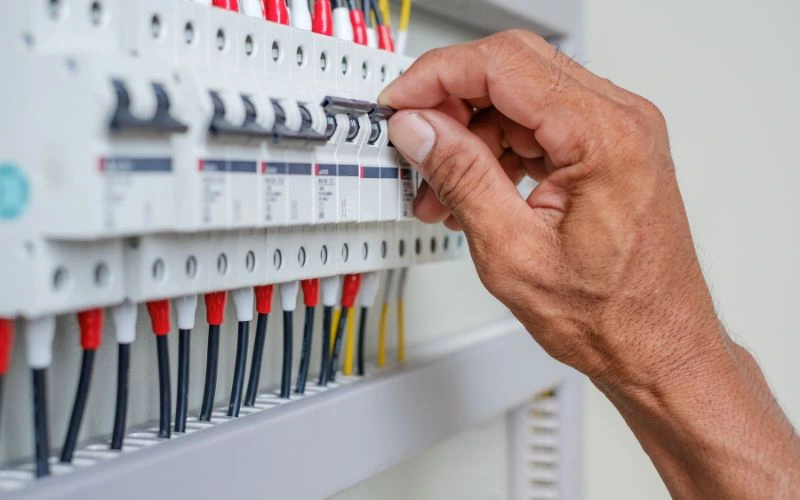
Air Circuit Breakers (ACBs) are indispensable devices that protect electrical systems from overcurrents and short circuits. They use compressed air as an arc-quenching medium to interrupt electrical current when a fault is detected swiftly. Understanding ACBs involves recognizing their key components, such as the frame, operating mechanism, contacts, arc chute, and tripping unit, and appreciating their vital role in ensuring electrical system safety and reliability.
What is an Air Circuit Breaker?
An Air Circuit Breaker (ACB) is a circuit breaker that uses compressed air as the arc quenching medium to interrupt the flow of electrical current when a fault is detected. It protects electrical circuits and equipment from overcurrents, short circuits, and other electrical faults.
How Does an Air Circuit Breaker Work?
An ACB operates on the principle of thermal magnetic protection and arc quenching. When a fault occurs, such as an overcurrent or short circuit, the ACB’s electromagnetic coil generates a magnetic field. This magnetic field exerts force on the moving contacts, causing them to separate and interrupt the current flow. Simultaneously, the compressed air is released to quench the electrical arc that forms when the contacts separate. This dual-action mechanism ensures a rapid and effective interruption of the electrical circuit.
Key Components of an Air Circuit Breaker
To understand the functionality of an ACB, it’s essential to familiarize yourself with its key components:
- Frame: The frame is the outer enclosure that houses all the internal components of the ACB. It provides mechanical strength and protection.
- Operating Mechanism: The operating mechanism is responsible for opening and closing the contacts. It can be manually operated or motor-driven, depending on the application.
- Contacts: Contacts are the heart of an ACB. They carry the electrical current and separate when a fault occurs.
- Arc Chute: The arc chute is designed to quench the electrical arc that forms when the contacts separate. It uses compressed air or other arc-quenching mediums to extinguish the arc quickly.
- Tripping Unit: The tripping unit is the brain of the ACB, responsible for sensing faults and initiating the tripping action. It includes various protective relays and sensors.
Advantages of Air Circuit Breakers
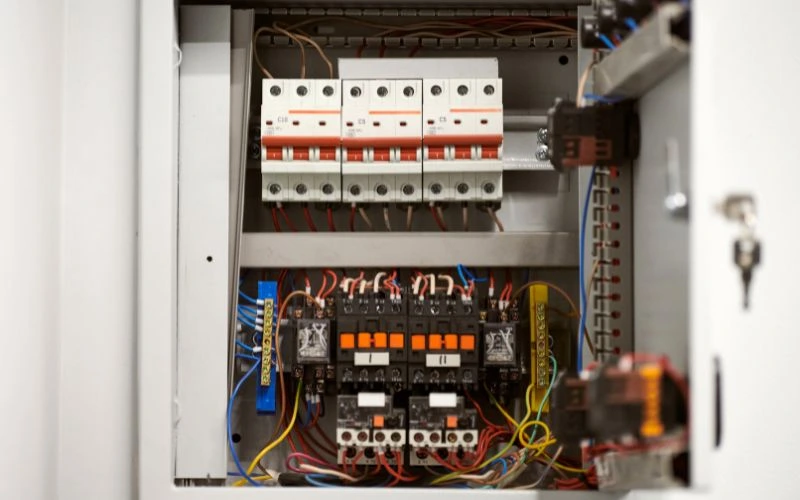
Now that we have a solid understanding of how ACB work, let’s explore the numerous advantages they offer in various applications:
High Breaking Capacity
One of the most significant advantages of air circuit breakers is their high breaking capacity. They can handle large fault currents and provide reliable protection for electrical systems. This capability makes them suitable for use in industrial applications where high fault currents are common.
Customizable Protection
ACBs have various protective features that can be customized to meet specific application requirements. These features include adjustable current settings, short-time and long-time delay settings, and various tripping curves. This level of customization ensures that ACBs can protect sensitive equipment while allowing for controlled overloads in certain situations.
Long Service Life
Air circuit breakers are known for their durability and long service life. They require minimal maintenance, making them a cost-effective choice for many industries. Their robust design and high-quality materials also ensure reliable operation even in harsh environments.
Applications of Air Circuit Breakers

Air circuit breakers find applications in a wide range of industries and settings. Here are some of the key areas where ACBs are commonly used:
Industrial Plants
In industrial plants, where electrical systems are subjected to heavy loads and frequent fault conditions, ACBs are a vital component of the electrical distribution system. They protect machinery, motors, and other critical equipment from damage due to overcurrents and short circuits.
Commercial Buildings
Air circuit breakers are also used in commercial buildings to safeguard electrical circuits and equipment. They protect lighting, HVAC systems, and other electrical loads, ensuring uninterrupted operation and safety.
Power Generation and Distribution
ACBs play a crucial role in power generation and distribution facilities. They protect transformers, generators, and transmission lines from electrical faults, minimizing downtime and ensuring a stable power supply.
Maintenance and Care of Air Circuit Breakers

While air circuit breakers are known for their durability and longevity, regular maintenance is essential to ensure their continued reliability. Here are some maintenance and care tips to keep your ACBs in top-notch condition:
Visual Inspection
Perform routine visual inspections to check for any signs of damage or wear. Look for loose connections, overheating, corrosion, or physical damage to the ACB’s components. If you notice any issues, address them promptly to prevent potential failures.
Cleaning
Keep the ACB and its surroundings clean and free of dust, dirt, and debris. Regular cleaning helps maintain proper ventilation and prevents the accumulation of contaminants that could affect the ACB’s performance.
Lubrication
Some ACB components, such as moving parts in the operating mechanism, may require periodic lubrication. Follow the manufacturer’s recommendations for the type and frequency of lubrication to ensure smooth operation.
Functional Testing
Periodically test the ACB’s functionality using a testing kit to simulate fault conditions. Ensure that the tripping unit operates correctly and that the ACB can interrupt the current as designed. Regular testing helps identify any potential issues before they become critical.
Electrical Testing
Perform electrical tests to check the ACB’s contact resistance, insulation resistance, and continuity. These tests can help detect electrical faults or deterioration in the ACB’s internal components.
Conclusion
In conclusion, air circuit breakers are indispensable components of electrical systems, offering robust protection and reliability in various applications. Their high breaking capacity, customization options, and long service life make them a preferred choice for industries where electrical safety is paramount. Whether in industrial plants, commercial buildings, or power generation facilities, ACBs safeguard electrical circuits and equipment, ensuring uninterrupted operation and peace of mind for engineers and facility managers.
FAQs
1. What is the difference between an Air Circuit Breaker (ACB) and a Molded Case Circuit Breaker (MCCB)?
While both ACBs and MCCBs are circuit breakers, they serve different purposes. ACBs are designed for higher breaking capacities and are often used in industrial settings where large fault currents are expected. MCCBs, on the other hand, are used for lower-current applications in residential and commercial buildings.
2. Are there any safety precautions to consider when working with air circuit breakers?
Yes, safety is paramount when working with electrical equipment, including ACBs. Always ensure that the circuit is de-energized before performing any maintenance or inspection. Follow proper lockout/tagout procedures, wear appropriate personal protective equipment (PPE), and only allow trained personnel to work on ACBs.
3. Can air circuit breakers be retrofitted into existing electrical systems?
It is possible to retrofit ACB into existing electrical systems, but it may require careful planning and coordination. It’s essential to consult with an experienced electrical engineer or technician to assess the feasibility and compatibility of retrofitting ACBs into your specific system.
