Journey into the Mesmerizing World of Gas-Filled Lamps
A gas-filled lamp with a bulb atmosphere consisting of an inert gas within which the filament operates. It, also known as a gas-discharge lamp, is an electric light source that relies on light emission from a gas or a mixture of gases contained within a sealed glass or quartz envelope. These lamps pass an electric current through the gas, which causes the gas molecules to become excited and emit photons, resulting in visible light. Gas-filled lamps are commonly used in various applications, including residential, commercial, and specialized lighting for photography, medical procedures, and scientific research.
Principle of operation
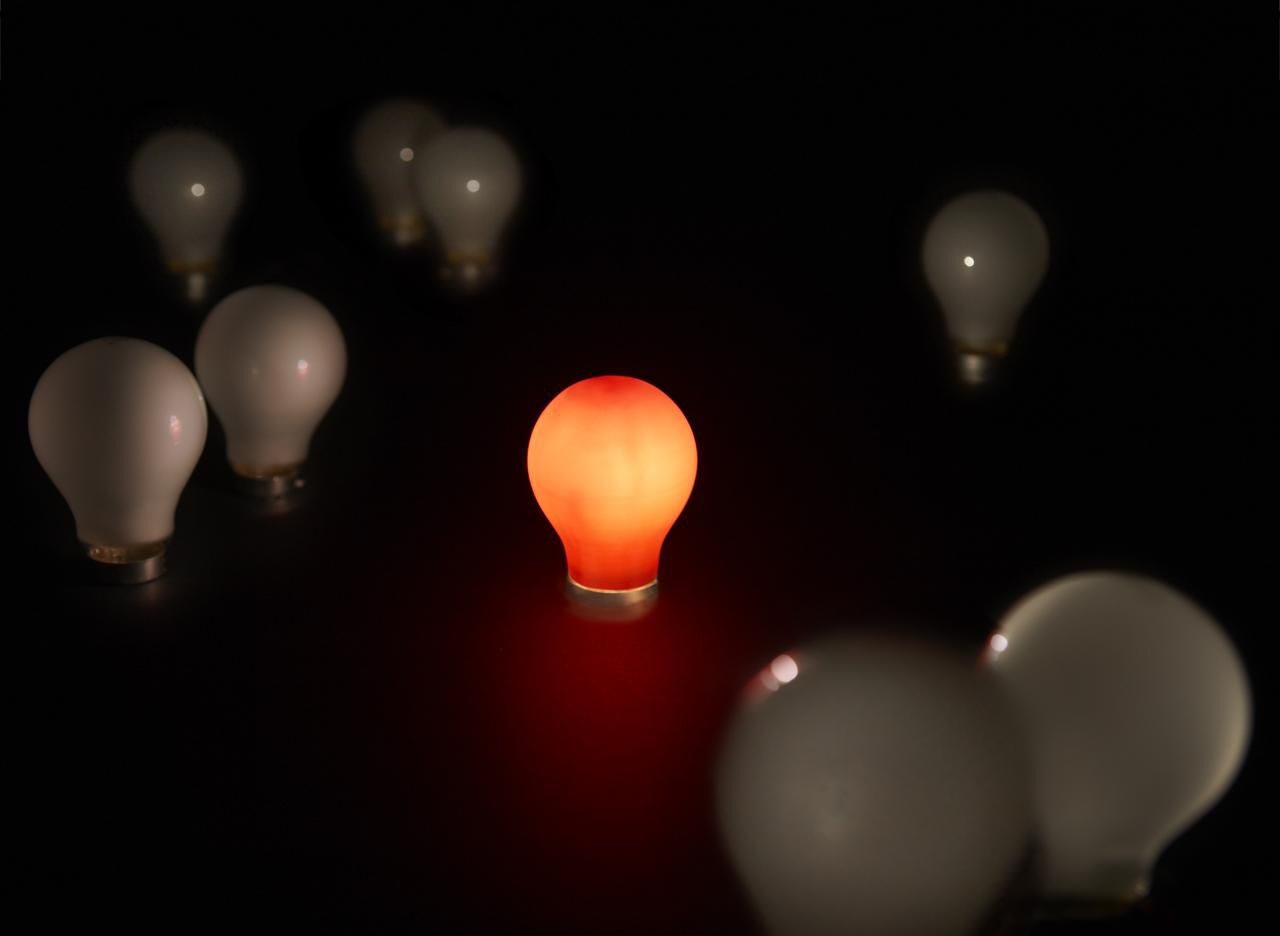
What is Incandescent Lamp?
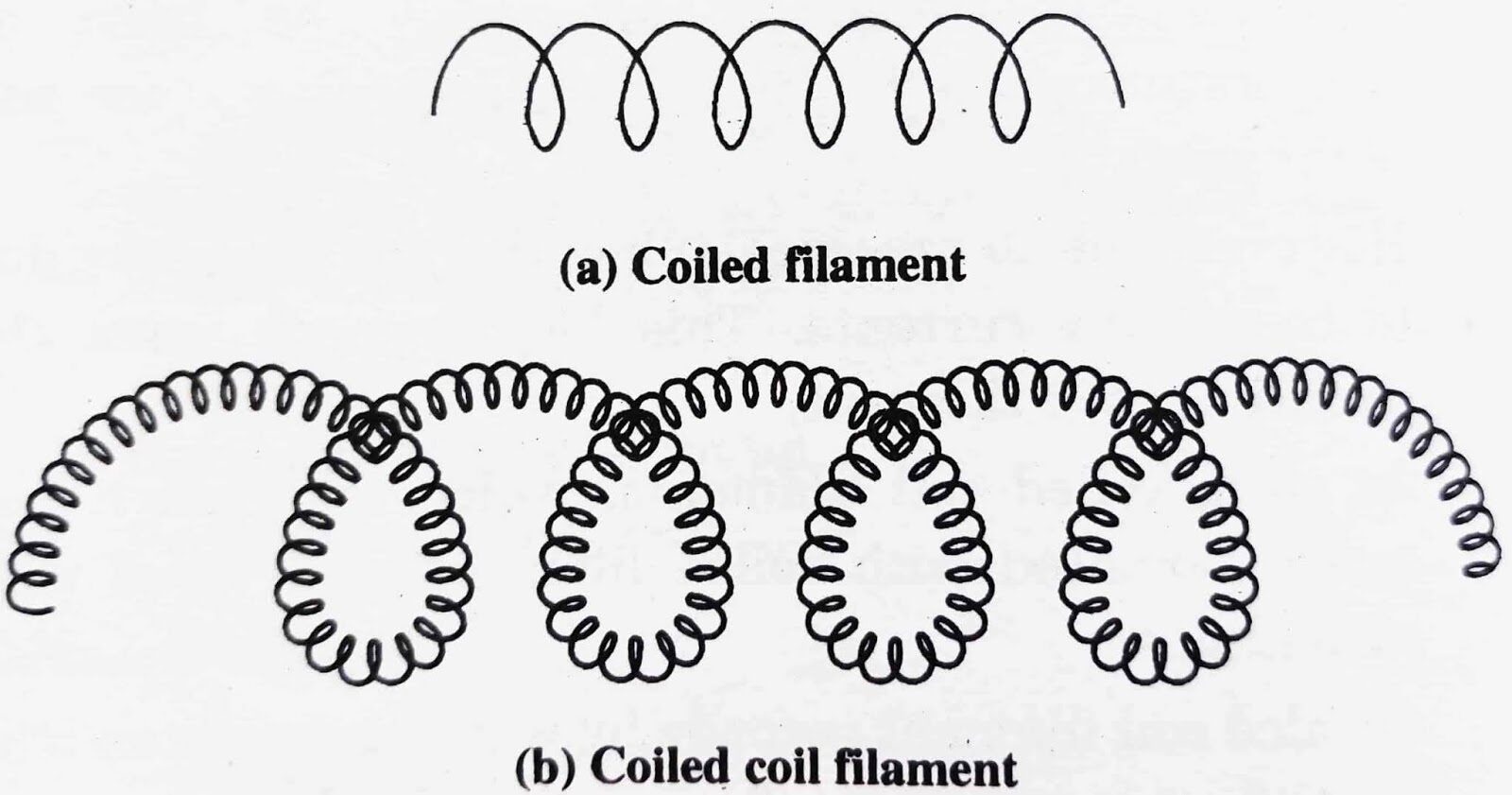
An incandescent or a traditional filament lamp is an electric light source that produces light by heating a filament wire until it glows. It is one of the oldest and most commonly used types of electric lighting. The filament is typically made of tungsten, which has a high melting point and can withstand the intense heat generated by the electric current passing through it.
Working Principle of Incandescent Lamp
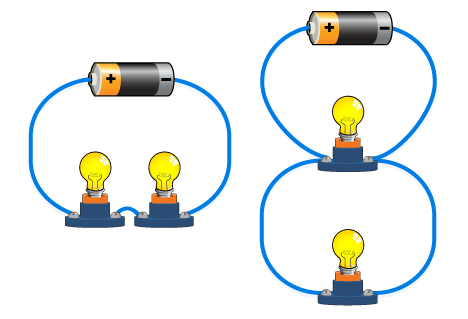
The working principle of an incandescent lamp is based on the phenomenon of incandescence, which refers to the emission of visible light when an object is heated to a high temperature. When an electric current is passed through the filament wire, it encounters resistance, which causes the wire to heat up. As the temperature rises, the filament begins to glow and emits light. The emitted light includes a broad spectrum of colors, producing a warm, yellowish-white glow.
The Allure of Gas-Filled Lamps
Illuminating the Senses
Step into a world of enchantment and wonder as we explore the mesmerizing realm of gas-filled lamps. These captivating light sources possess a magical quality that transcends mere illumination. They can evoke emotions, create beautiful atmospheres, and transform ordinary spaces into extraordinary realms. Gas-filled lamps are renowned for their ability to captivate the senses, leaving a lasting impression on all who encounter their luminous glow.
The Science of Gas Discharge
Delve into the fascinating science behind the brilliance of gas-filled lamps. These lamps operate on the gas discharge principle, where an electric current passes through a gas or a mixture of gases, causing them to emit light. Each gas or mixture emits a unique spectrum of colors, from the vibrant red of neon to the soft blue of argon. The interaction between the electric current and the gas molecules excites them, leading to the emission of photons and the creation of mesmerizing light displays.
Unveiling the Wonders of Gas-Filled Lamps
A Kaleidoscope of Colors
Enter a mesmerizing world of vibrant hues and breathtaking colors as we explore the palette of gas-filled lamps. From the radiant red of neon to the cool blue of mercury vapor, each gas or mixture inside these lamps produces a unique and captivating light spectrum. Discover the science behind color creation, the significance of gas choices, and the artistry of manipulating and combining different gases to create dazzling visual displays.

The Art of Illumination
Delve into the artistic applications of gas-filled lamps, where light becomes a canvas for creativity. Experience the enchantment of neon signs that adorn city streets, exuding a nostalgic charm and captivating allure. Learn about the skilled craftsmanship required to shape glass tubes into intricate designs and the meticulous process of filling them with noble gases to achieve stunning visual effects. Explore how gas-filled lamps have become a medium for artists to express their visions and convey emotions through the magical interplay of light and color.
Conclusion
In conclusion, the mesmerizing world of gas-filled lamps offers a captivating blend of science, art, and history. From the early days of gas lighting to the modern and diverse designs available today, these lamps have truly stood the test of time. The glow of these lamps, whether the soft flicker of a vintage gas lamp or the vibrant colors of a neon sign, continues to evoke a sense of nostalgia and fascination in both creators and admirers.