Exploring Stay Insulator – Safety, Installation, and Maintenance
You’ve likely seen stay insulators perched atop power poles, their sleek designs silently guarding against electrical hazards. These components are more than just fixtures; they’re pivotal in ensuring the safety and efficiency of power systems. Composed of materials like porcelain and composite polymers, each type serves a unique purpose, from offering robust mechanical strength to enhancing weather resistance. But have you ever wondered how these materials are chosen or what the installation best practices are? Let’s explore the intricacies of stay insulators, their roles, and why their maintenance can substantially impact the reliability of electrical systems. Are you curious about the challenges these insulators face?
Key Takeaways
- Stay insulators prevent electrical currents from reaching the ground, enhancing safety and system efficiency.
- Originally made from porcelain and glass, modern stay insulators often use high-grade polymers.
- Types include shackle and strain insulators, each suited for specific mechanical loads and installation scenarios.
- Installation requires secure placement and regular maintenance to manage performance and prevent failures.
- Advances include smart coatings and sustainable materials, improving durability and environmental impact.
Understanding Stay Insulators
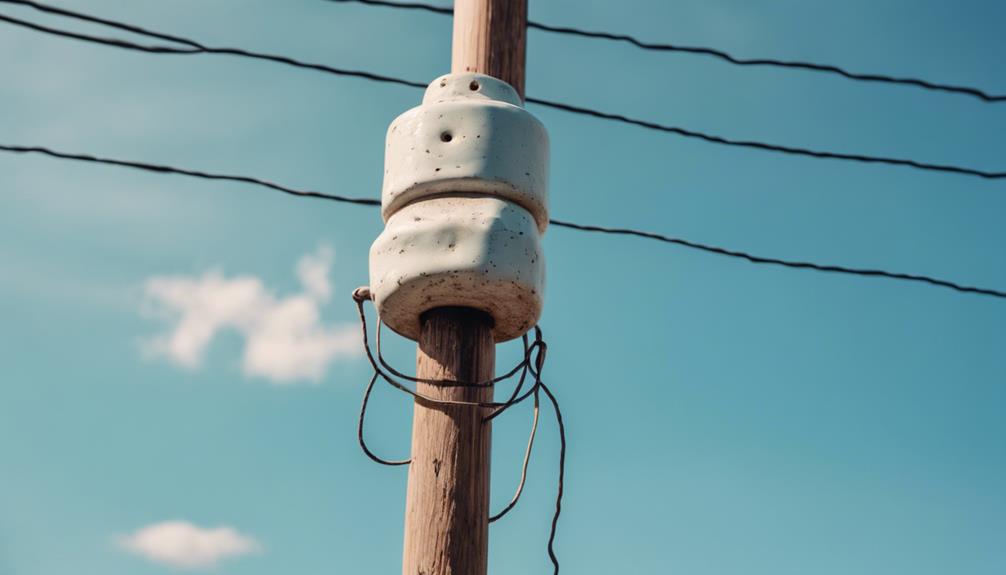
Stay insulators play an essential role in maintaining the stability and safety of overhead power lines. As you explore their history, you’ll find that these devices have evolved significantly. Originally, stay insulators were simple, rudimentary designs made from materials like porcelain and glass, primarily used to prevent the electrical grounding of the stays that support the poles. They were important in early electrical systems, where insulation technology was still in its infancy.
Over time, innovations in stay-insulator technology have greatly improved their functionality and reliability. Introducing modern materials such as high-grade polymers and composite materials has made these insulators more durable and resistant to environmental stressors like UV radiation and extreme temperatures. These advancements haven’t only extended their lifespan but also reduced maintenance costs and enhanced overall system reliability.
Today, you can see these innovations in the sleek designs anPerformancerformance of modern stay insulators. They’re no longer just functional components but integral to the advanced engineering supporting contemporary electrical infrastructure. As you explore their development further, you’ll appreciate how these small but mighty devices have kept pace with the demands of an electrifying world.
Importance in Power Systems
Reflecting on their evolution, stay insulators are key to enhancing the reliability and efficiency of modern power systems. As you explore the complexities of these systems, you’ll realize that voltage regulation and safety protocols are integral components where stay insulators play a pivotal role.
Firstly, consider how vital voltage regulation is in distributing power evenly and safely across vast networks. Stay insulators help maintain a steady voltage level by preventing unwanted fluctuations that can lead to power surges or outages. This stability isn’t just about keeping the lights on; it’s about ensuring that every aspect of the network operates within safe electrical parameters, thereby extending the life of the infrastructure and reducing maintenance costs.
Moreover, safety protocols in power systems are strict due to the potential risks associated with high-voltage operations. Stay insulators contribute significantly to these safety measures. They provide necessary insulation of the stay wires from the ground, preventing electrical shocks and ensuring the power distribution framework remains secure against electrical hazards. This protects the equipment and safeguards the personnel working on these systems.
How to Stay Insulators Work
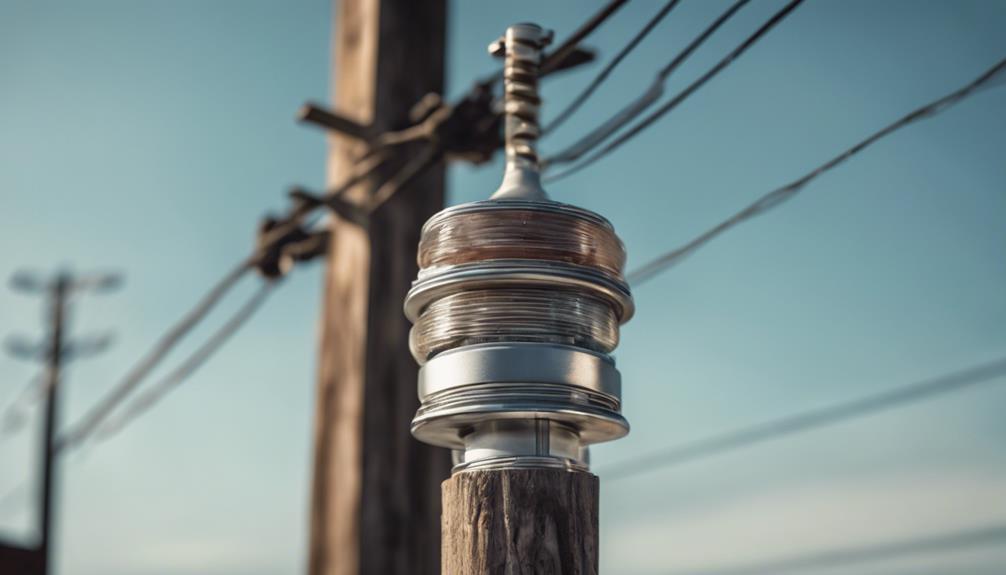
To understand how stay insulators function, consider their role in preventing the electrical current from traveling down the stay wires to the ground. These components are vital in maintaining the stability and safety of power systems. They’re not just equipment; they’re guardians that guarantee the high voltage doesn’t escape its designated path.
Stay insulators achieve this by being made from materials that resist electrical conductivity. This means they can interrupt the path of the current, keeping it confined to the wires where it belongs. You might wonder how this impacts the overall system. Here’s what you need to know:
- Insulator Efficiency: High-quality insulators reduce power loss. Preventing leakage currents ensures the power reaches its destination more effectively.
- Maintenance Needs: Less frequent replacements and repairs are required thanks to the durability of these insulators.
- Safety Enhancements: Isolating electrical currents significantly decreases the risk of electrocution and fire.
- Environmental Impact: Effective insulators help reduce the carbon footprint by improving system efficiency and decreasing operational emissions.
- Cost Implications: Initially, they might seem pricey, but over time, the reduction in energy loss and maintenance costs justify the investment.
Understanding how these insulators work helps you appreciate the intricate balance between technology and safety in modern power infrastructure.
Types of Stay Insulators
Different stay insulators cater to varying environmental and mechanical demands in power systems. Options include shackle insulators primarily used on sharp curves and strain insulators for heavier loads and high-tension wires. These types adapt to diverse installation scenarios, where each faces unique challenges.
When dealing with shackle insulators, the installation challenges mainly revolve around their compact size and the need for precise placement on supporting structures. Despite their smaller footprint, they must fit tightly and securely to reduce the stress on poles during heavy winds or electrical loads.
On the other hand, strain insulators, being bulkier, require more robust support systems. You’ll often need additional hardware or stronger support structures to manage their weight and the mechanical stress they withstand. Their installation isn’t just about placing them; it’s about ensuring they can handle the load without compromising the integrity of the entire line.
Performance testing is important for both types. You’d want to ensure they meet dielectric properties, mechanical strength, and durability standards. This testing simulates various weather conditions and mechanical stresses to see how well the insulators hold up, ensuring they’re up to the task before installation.
Material Choices Explained

Choosing the right materials for stay insulators hinges on their Performancerformance under various environmental stresses. You’ve got to weigh factors like durability and cost, not to mention insulator aesthetics and environmental impact. Each material brings advantages and challenges, making this choice more critical than you might think.
Here’s a quick rundown of what you should consider:
- Porcelain: Traditionally favored for its mechanical strength and excellent insulation properties.
- Glass: Provides a clear advantage in areas prone to pollution; it’s self-cleaning during rain.
- Composite Polymers: Lightweight and resistant to vandalism; they’re also aesthetically pleasing and less impactful on the environment.
- Wood: While not as durable as other materials, it offers a low environmental footprint and can be aesthetically pleasing in rural or natural settings.
- Rubber: Offers excellent elasticity and moisture resistance, though it mightn’t be the first choice for high-stress environments.
You must pick a material that meets the operational needs and aligns with your values regarding sustainability and design. Think about how each material will last under the sun, rain, and cold. After all, making the right choice ensures longePerformancerformance, reducing the need for frequent replacements.
Installation Best Practices
Follow these best practices when installing stay insulators to maximize their effectiveness and lifespan.
First, wear protective gear, gloves, and safety goggles to prioritize installation safety and ensure you work in a safe environment free from potential electrical hazards.
Before beginning the installation, familiarize yourself with grounding techniques. Grounding is essential to protect both the system and yourself from electrical surges. Connect the stay insulator to a grounding system according to the manufacturer’s guidelines. This step is important, as improper grounding can lead to system failures or safety hazards.
You’ll want to carefully select the location for your stay insulators. They should be placed where they can effectively balance the mechanical load without compromising the line integrity. Ensure the mounting surface is stable and capable of handling the weight and tension of the cables.
When mounting the insulator, ensure all connections are tight and secure. Loose connections can lead to mechanical failures and reduce the insulator’s lifespan. Double-check each connection point and use the appropriate tools to achieve the correct torque.
Lastly, keep a detailed record of the installation process. This documentation will be invaluable for routine checks and future maintenance.
Maintenance and Care Tips

Regularly inspect your stay insulators to ensure they remain in peak condition and function effectively. Look for any signs of wear or damage that could impaPerformancerformance. Here’s how to maintain your insulators properly and guarantee they last long.
- Schedule Regular Inspections: Set a routine to check your insulators at least twice a year. Look for any cracks, chips, or signs of environmental damage.
- Apply Appropriate Cleaning Techniques: Use soft brushes and recommended cleaning solutions to avoid damaging the insulator’s surface. Harsh chemicals can degrade the materials.Performancerformance Regularly: Monitor the elPerformancerformance of your insulators. Any fluctuations might indicate an underlying issue that needs immediate attention.
- Tighten Connections: Make sure all hardware connections are tight and secure. Loose connections can lead to failures and reduce the insulator’s effectiveness.
- Keep Records: Keep a log of all maintenance activities. This helps track the insulator’s history and can be invaluable for diagnosing future issues.
Common Challenges Addressed
You’ll encounter several common challenges when maintaining stay insulators, each requiring specific solutions to guarantee peak performance. One significant challenge is the weather impact. Frequent exposure to extreme conditions, such as intense UV rays, heavy rain, or freezing temperatures, can severely affect the longevity and effectiveness of your insulators. You’ll find that regular inspections are important to assess any weather-related damages and to implement timely repairs or replacements.
Another critical aspect is conducting a thorough cost analysis. You must understand the financial implications of various maintenance strategies. For instance, opting for cheaper, lower-quality materials might save you money upfront but can lead to increased costs down the road due to more frequent failures and replacements. Conversely, investing in higher-quality options with better durability can offer more value over time, reducing the need for constant upkeep.
To tackle these challenges effectively, you must balance your immediate budget constraints with long-term performance goals. This approach ensures that your stay insulators remain functional and cost-effective, minimizing downtime and maximizing efficiency. Remember, proactive maintenance and strategic planning are key to managing these common challenges successfully.
Future Trends in Insulation Technology

As we address these maintenance challenges, let’s also explore emerging trends in insulation technology that could redefine their management and effectiveness. You’re likely familiar with traditional insulation materials, but the landscape is rapidly changing. Advancements aren’t only ePerformancerformance and pushing sustainability to the forefront. Here’s what you should keep your eye on:
- Smart Coatings: These aren’t just any paints. Imagine coatings that adapt to temperature changes and improve energy efficiency. They’re set to revolutionize how buildings retain heat or cool down, all while keeping costs low.
- Recycled Materials: Insulation is getting a green makeover. Materials that once ended up in landfills are now being repurposed to keep your space warm or cool. It’s good for your wallet and even better for the planet.
- Aerogels: This super lightweight material offers exceptional thermal resistance. Soon, it might just be the standard in high-performance insulation.
- Phase-change materials (PCMs) absorb or release heat as they change states, helping to maintain comfortable indoor temperatures more naturally.
- Graphene Inclusion: Graphene is known for its incredible strength and conductivity, and it is used in insulation products to enhance its thermal and acoustic properties.
Stay tuned because these innovations are set to change how you think about insulation.
Conclusion
You’ve seen how important stay insulators are in maintaining the safety and efficiency of power systems. By choosing the right materials and adhering to best installation practices, you can tackle common challenges effectively.
Remember to maintain your insulators regularly to guarantee peak performance. As technology evolves, look for new advancements in insulation to enhance system reliability further.
Stay proactive in your approach, and you’ll greatly contribute to safer, more efficient electrical systems.
FAQs
What is a stay insulator?
A stay insulator is a type of electrical insulator used in transmission and distribution lines to electrically isolate the lower part of the stay wire (guy wire) from the upper part, which is connected to high-tension conductors. Stay insulators are crucial in preventing voltage transfer through the stay wire, ensuring safety and reducing the risk of accidents.
Key Points:
- Used in transmission lines to insulate stay wires.
- Prevents voltage transfer through the guy wire.
- Enhances electrical safety.
What is the purpose of a stay insulator in transmission lines?
The primary purpose of a stay insulator is to protect people and property from accidental electrical contact by insulating the stay wire (guy wire), which could otherwise become electrified due to its proximity to live conductors. It is placed near the lower end of the stay wire, reducing the risk of electric shocks and ensuring the safe operation of the transmission system.
Purpose:
- Provides electrical insulation for stay wires.
- Prevents accidental contact with live conductors.
- Ensures safety in transmission line systems.
What are the types of stay insulators?
There are two main types of stay insulators based on their construction material:
- Porcelain Stay Insulators: These are the most common type, known for their durability, electrical insulation properties, and resistance to environmental factors like heat, moisture, and chemical exposure.
- Polymer Stay Insulators: Made from composite materials, these insulators are lightweight, highly resistant to impact, and offer performance in polluted or corrosive environments.
Types:
- Porcelain Insulators: Durable and heat-resistant.
- Polymer Insulators: Lightweight and resistant to corrosion.
Where are stay insulators used?
Stay insulators are primarily used in overhead transmission and distribution lines, especially where stay (guy) wires are needed to support utility poles or towers. They are commonly found in urban and rural electrical systems to ensure safe operation.
Common Applications:
- Overhead transmission lines.
- Distribution systems for electrical support.
- Urban and rural utility poles.
How does a stay insulator improve electrical safety?
A stay insulator improves electrical safety by ensuring that the guy wire does not become an unintended conductor of electricity. Suppose the stay wire were to come into contact with a live conductor. In that case, the insulator would prevent the flow of electricity through the wire to the ground, reducing the risk of electric shocks or electrocution.
Safety Benefits:
- It prevents stay wires from becoming live conductors.
- Reduces the risk of electric shocks and accidents.
- Ensures safe operation of transmission lines.
Supporting Article
How to Improve Energy Efficiency in a House