Understanding Star Delta Starter: Control Your Motors with Ease
Star delta starter is essential for controlling the surge of electricity in three-phase induction motors. They kick off their action with a star configuration to lessen the current rush at startup, ensuring that your machines function without the danger of a sudden power spike. But that’s not all – once the motor reaches a specific speed, it switches to a delta configuration, which lets it operate at full power effectively. Such a smart strategy allows you to harness the full potential of your motor while safeguarding its operation. Now, let’s delve into its basic structure for a detailed understanding.
A star delta starter reduces the starting current of 3-phase induction motors by initially connecting the motor coils in a star configuration, then switching to a delta configuration for full voltage operation. This helps provide smooth acceleration to the motor while minimizing the inrush current, contributing to efficient and controlled motor starting.
The Basics of Star Delta Starter
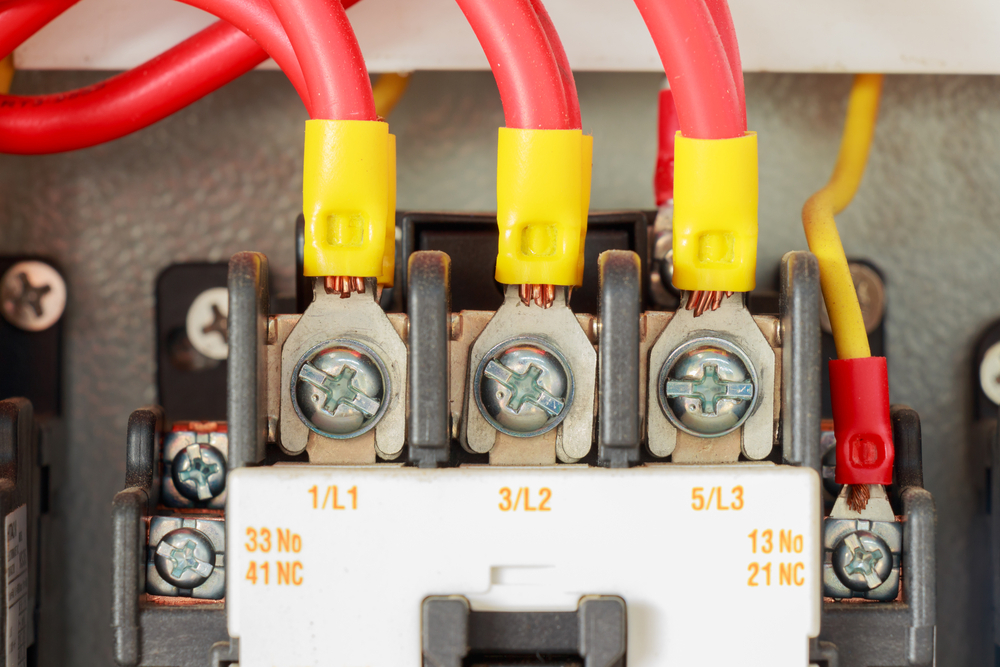
Star delta starters are pivotal in controlling the starting current of three-phase induction motors. Directly starting a motor draws a very high current from the mains, which can be damaging and inefficient. However, a star delta starter solves this problem by reducing the inrush current.
How They Work
The key to understanding star delta starters lies in their operation during motor start-up. Initially, the motor windings are connected in a star configuration, allowing for reduced current flow and starting torque. This initial star connection minimizes the inrush current as the motor turns.
This transition from a star configuration to a delta configuration is critical for the smooth changeover from reduced voltage during startup to full voltage for regular operation. As the motor gathers speed and reaches about 80% of its full load, the TPDP switch (Tripple Pole Double Throw switch) within the star delta starter changes the winding connection from star to delta mode.
The Role of Starting Current and Torque
The starting current from the mains in the case of a star delta starter is one-third of direct switching in the delta configuration, leading to a notable reduction in the starting torque. This significantly reduces stress on the electrical infrastructure and mechanical components during the crucial startup phase.
Utilizing this method not only safeguards the health of the motor but also contributes to efficient energy use over time. By minimizing the inrush current and managing starting torque, companies can reduce their overall energy consumption while extending the lifespan of their costly industrial machinery – a win-win situation.
Advantages and Considerations
While it’s clear that star delta starters offer significant benefits regarding reduced stress on electrical infrastructure and energy efficiency, they come with some limitations. Although they are economical and don’t produce excess heat during operation, they are best suited for applications that require low starting current and where line current draw should be kept at a minimum value.
Additionally, although these starters can substantially lower starting torque demands, their intrinsic design may make them unsuitable for applications requiring high starting torque.
Understanding these foundational aspects of star delta starters sets the stage for a more comprehensive grasp of their function and significance in controlling three-phase induction motors.
In mastering the basics of star delta starters, we pave the way for a deeper exploration into their intricate wiring and connections.
Star Delta Starter Wiring and Connections
Wiring up a star delta starter involves ensuring that the correct motor windings are connected to the starter’s appropriate terminals. Think of it as creating the perfect pathway for your motor to travel through, ensuring it receives all the energy it needs at every stage. At the heart of this setup is the TPDP switch, which stands for Tripple Pole Double Throw switch. This special switch takes charge of transitioning the star to the delta configuration. It’s like a skilled conductor orchestrating a seamless transition between musical movements, but in this case, it’s electrical currents instead of notes.
The TPDP switch is pivotal in ensuring that the star circuit breaks before the delta circuit enters—a crucial detail that safeguards against potential damage to the relays. As your motor switches from star to delta configuration, no overlap might cause trouble. It’s a carefully choreographed dance, ensuring each step is executed precisely.
The Importance of Precision
The TPDP switch is crucial in preventing mishaps during the transition from one configuration to another. Ensuring that the circuits don’t cross over at any point during this shift protects not just the stability of your motor but also prevents potential harm to the larger system. The precision and accuracy with which these connections are made can make or break the performance and safety of your motor.
Think of it like setting up a rollercoaster; some specific tracks and switches need to be set just right to ensure a thrilling yet secure ride. In the same way, each connection in the star delta starter must be precise and purposeful, ensuring that power flows smoothly and without interruption.
It’s important to pay close attention when setting up these connections, as even a small error could lead to unforeseen consequences. Each twist and turn in these wires improves your motor system’s safety and functionality.
In setting up a star delta starter, meticulous attention to detail is essential, much like how an artisan intricately weaves together an elaborate tapestry. Every component is vital in ensuring smooth transitions and safeguarding against potential mishaps.
Functions and Applications of Star Delta Starters
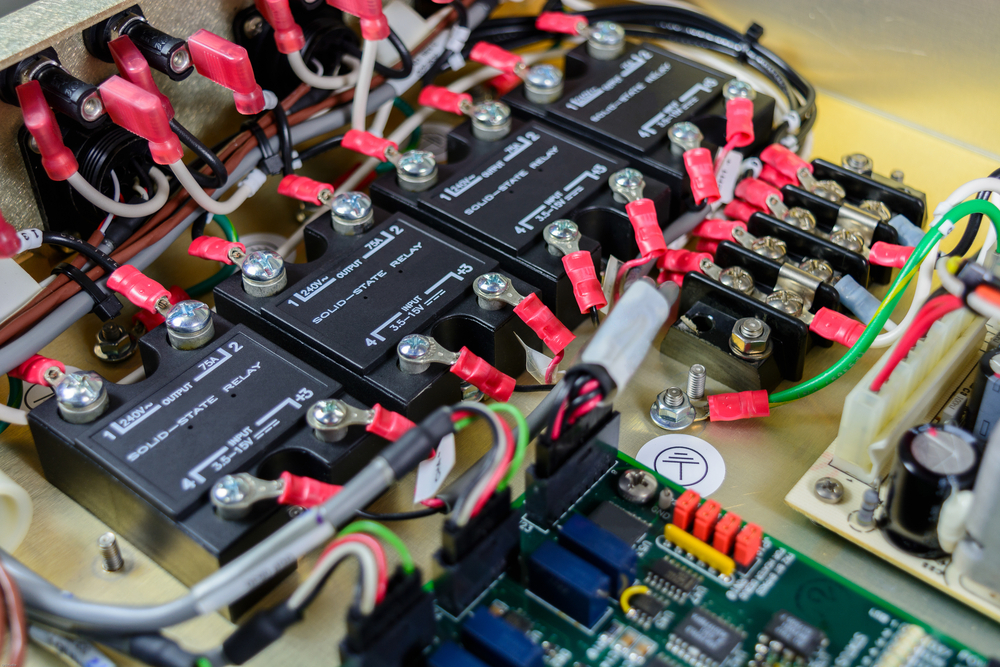
Star delta starters are crucial for controlling induction motors, particularly in large industrial settings. One primary function of these starters is to reduce the motor’s starting current without using additional external devices. This is particularly important in applications where a high starting current might be detrimental, such as conveyor systems, pumps, compressors, and other heavy machinery commonly found in industrial operations.
Smooth Transition from Star to Delta Connection
The beauty of star delta starters lies in their ability to seamlessly transition the motor from a “star” connected stator winding during the initial start-up to a “delta” connection once the motor reaches about 80% of its full load speed. This smooth transition helps gradually accelerate the motor, preventing sudden power demand surges that could disrupt the overall system or cause damage.
Gradual Acceleration and Inrush Current Reduction
The gradual acceleration facilitated by star delta starters is especially valuable in scenarios requiring careful handling of electrical loads. By reducing the inrush current, these starters provide a controlled and more efficient method for starting up powerful engines, protecting the motor and the electrical system from sudden stress or strain.
Imagine a conveyor system at a large manufacturing plant. The startup involves multiple heavy-duty motors. Utilizing star delta starters ensures that each motor ramps up gradually, avoiding sudden spikes in electrical load. This protects the motors and contributes to a more stable and reliable operation of the entire conveyor system.
Applications in Industrial Settings
Moreover, large industrial pumps should be considered for transporting fluids within a refinery. Here, precision and controlled power delivery are crucial for maintaining operational efficiency while minimizing wear and tear on the equipment.
In this way, star-delta starters are not just practical; they are indispensable components for managing the starting current of induction motors in various industrial applications, ensuring safe and efficient operation while extending the lifespan of key equipment.
Now, let’s delve into current regulation with star delta starters, shedding light on their continued relevance and importance in industrial settings.
Current Regulation with Star Delta Starters
One key benefit of star delta starters is their ability to regulate the current drawn from the mains during a motor’s starting phase. This is especially important to avoid sudden surges in current that could damage the electrical system. Let’s look at how this current regulation works and why it matters.
When using a star delta starter to start a motor, the initial current drawn from the mains is approximately one-third. It’s less than what it would be if the motor were directly switched to the delta configuration. This reduction in the starting current is significant and has important implications for the electrical system and the motor.
By limiting the initial surge of current, star-delta starters minimize the impact on the electrical system, preventing potential disruptions in the power supply and protecting sensitive equipment from voltage fluctuations. The controlled introduction of electrical power also contributes to better overall system performance and reliability.
In practical terms, facilities or industries using large motors can avoid overloading their electrical infrastructure during motor startup. Regulating the starting current evenly distributes power demand, promoting stable operation across the entire electrical network.
For example, consider a manufacturing plant with multiple heavy-duty machines equipped with 3-phase motors. When these machines are started simultaneously, they can collectively strain the facility’s electrical supply substantially. By implementing star delta starters, the facility can ensure a smoother startup process for all its motors, preventing disturbances while optimizing energy distribution.
The use of star delta starters provides an effective solution for managing starting currents in industrial settings, enhancing operational efficiency while safeguarding the stability and longevity of the electrical infrastructure.
Now that we’ve uncovered how star delta starters effectively control motor currents, let’s investigate their advantages and disadvantages in more detail.
Advantages and Disadvantages of Star Delta Starter
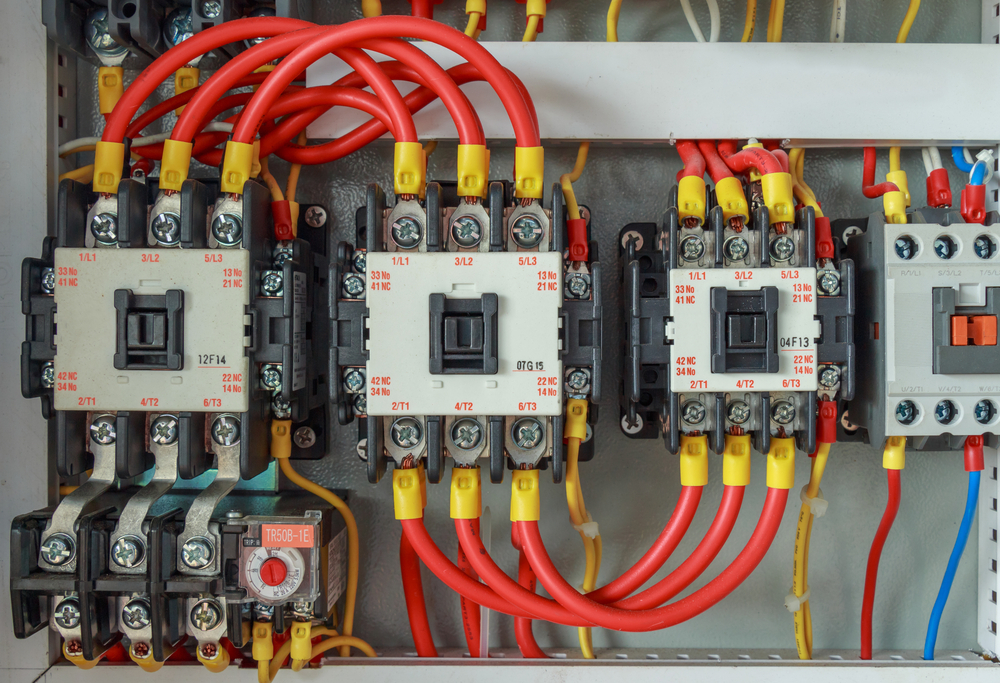
Star delta starters are widely used for controlling 3-phase induction motors due to several key benefits. Firstly, they offer an efficient and inexpensive solution for reducing inrush current and starting torque, making them a valuable choice for various industrial applications. Their ability to minimize heat generation during motor startup is commendable, ultimately contributing to enhanced operational safety and efficiency. The star delta starter produces high torque per ampere of line current. This ensures optimal performance and conserves energy.
When matching these advantages with real-world scenarios, it’s evident how star delta starters optimize motor performance while keeping costs low. Not only do they provide an economical method of regulating electrical currents, but they also enable smooth operation by effectively managing the torque generated at startup. This results in minimized strain on the electrical system and extended motor lifespan, reflecting the practical advantages of employing star delta starters in diverse industrial settings.
Disadvantages of Star Delta Starters
While star delta starters offer numerous advantages, it’s imperative to acknowledge their limitations. One notable drawback is the reduced starting torque compared to direct-on-line starting methods. Although this reduction is a trade-off for the benefits of reduced inrush current and effective current regulation, it’s important to consider specific application requirements when determining the suitability of star delta starters. Moreover, these starters necessitate compatible motors with specific design features and capabilities, potentially restricting their use to motors that meet these criteria.
Understanding these limitations enables us to make informed decisions regarding implementing star delta starters in motor control systems. By recognizing and evaluating these drawbacks, we can tailor our approach to leverage the advantages of Star Delta starters while mitigating potential challenges associated with reduced starting torque and motor compatibility requirements. This comprehensive awareness empowers us to optimize the functionality of motor control systems based on specific operational demands and constraints.
The practical application becomes paramount when weighing the pros and cons of utilizing star delta starters for motor control. Let’s move from theoretical considerations to tangible examples that bring these concepts to life.
Real-world Examples of Star Delta Starter Usage
Star delta starters are vital in various industries and sectors, powering essential equipment and machinery. Let’s explore some real-world applications. Where star delta starters are commonly employed:
Conveyor Systems in Manufacturing Plants
In manufacturing plants, conveyor systems are the lifeline of the production process. These systems require precise control over the starting current, especially if multiple motors run simultaneously. The smooth transition from star to delta connection provided by the star delta starter ensures that the conveyor system starts efficiently without drawing excessive line current.
Water Pumping Stations
Water pumping stations are vital in ensuring water supply for various applications. Industries often employ star delta starters. They control motors driving water pumps, ensuring smooth starts. This reduces strain on the electrical system.
Industrial Air Compressors
Industrial air compressors are used in various applications, from manufacturing to automotive repair. Star delta starters ensure that these heavy-duty motors start with a controlled current, minimizing voltage fluctuations and ensuring a longer lifespan for the equipment.
Mining Machinery
The demanding environment in mining operations requires robust equipment capable of withstanding harsh conditions. Star delta starters help reduce the high starting current required by the motors in mining machinery, thus enhancing their durability and reliability.
HVAC Systems in Large Buildings
Large buildings’ heating, ventilation, and air conditioning (HVAC) systems often rely on star delta starters to manage the motors’ starting current. This reduces stress on the electrical grid and optimizes energy efficiency during startup.
Machine Tools in Industrial Workshops
Precision machine tools such as lathes, milling machines, and grinders in industrial workshops require controlled starting conditions for their motors. Star delta starters provide the necessary gradual acceleration, protecting both the electrical system and the delicate components of these machines.
The widespread use of star delta starters in diverse applications underscores their versatility and importance across various industries. These examples demonstrate how star delta starters contribute to efficient motor control and are crucial in optimizing performance while minimizing electrical strain.
For more practical insights into the world of star delta starters and their real-world applications, visit our website at MyTechInfo.
Understanding how star delta starters work and their real-world applications is key to harnessing their benefits for motor control across different industries.