Unveiling LVDT Transducer in Modern Sensor Technology
Understanding LVDT Technology
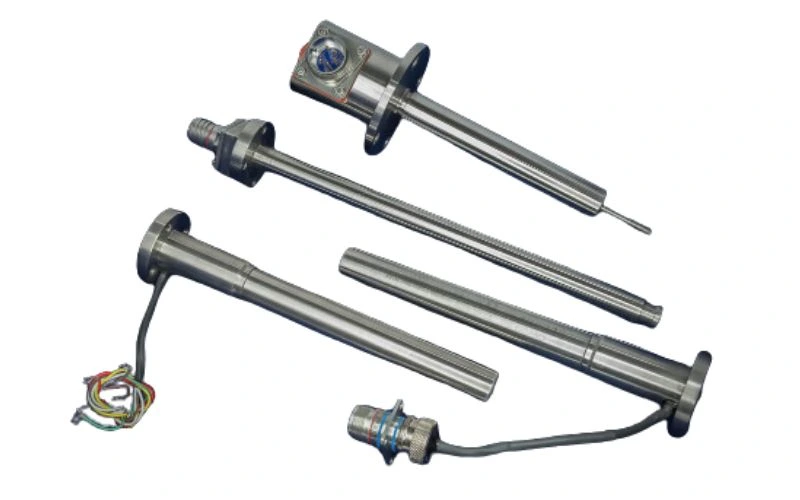
LVDTs, or Linear Variable Differential Transformers, function through electromagnetic induction. Comprising a primary coil, two secondary coils, and a ferromagnetic core, these devices measure linear displacement accurately. AC voltage induces voltages in the secondary coils, and the core’s position determines the induced voltages’ amplitude and phase. This contactless method ensures reliability and durability.
How Does an LVDT Transducer Work?
LVDT transducers operate based on electromagnetic induction. The device comprises a primary coil, two secondary coils, and a ferromagnetic core. When an AC voltage is applied to the primary coil, it induces voltages in the two secondary coils. The position of the ferromagnetic core determines the amplitude and phase of the induced voltages, providing a precise measurement of linear displacement.
Advantages of LVDT Transducer
LVDT transducers offer several advantages that contribute to their widespread use:
- High Accuracy: LVDTs provide accurate and repeatable measurements, making them suitable for applications where precision is crucial.
- Durability: With no physical contact between the core and coils, LVDTs exhibit excellent reliability and longevity.
- Wide Temperature Range: These transducers can operate effectively in a broad temperature range, making them suitable for diverse environments.
- Minimal Friction: Since LVDTs do not rely on sliding contacts, they experience minimal wear and friction, reducing the need for frequent maintenance.
Applications of LVDT Transducer Across Industries
LVDTs find versatile applications across industries. In aerospace, they measure structural deflection for aircraft safety. Automotive use involves monitoring suspension displacement for improved ride comfort. Medical applications include precise measurements in infusion pumps and robotic surgery, showcasing the adaptability of LVDTs to diverse industrial needs.
LVDT Transducer in Aerospace
In the aerospace industry, where precision and reliability are paramount, LVDT transducers find extensive use. These devices play a crucial role in measuring the deflection of structural components, ensuring the safety and performance of aircraft.
Automotive Industry Integration
In the automotive sector, LVDT transducers contribute to vehicle safety and performance. They are employed in suspension systems to monitor and control the displacement of various components, enhancing ride comfort and stability.
Medical Applications of LVDT Transducer
LVDT transducers, such as infusion pumps and robotic surgery systems, are vital in medical equipment. Their high precision and reliability contribute to the accurate delivery of medications and the success of intricate surgical procedures.
Choosing the Right LVDT Transducer
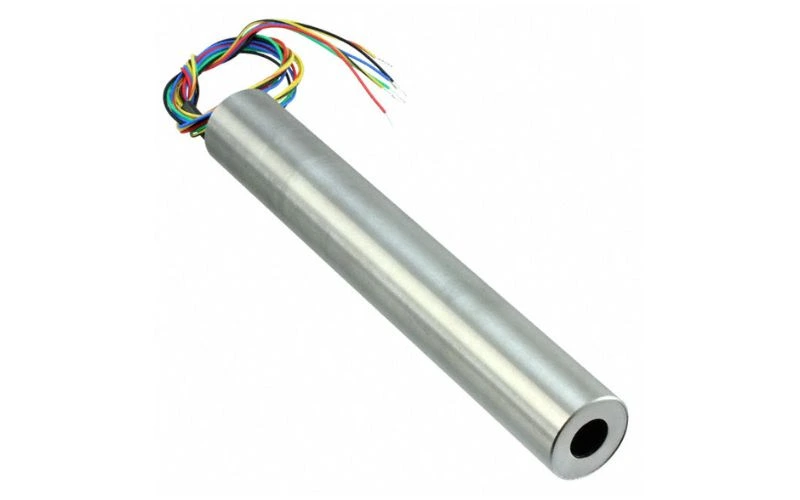
Selecting the appropriate LVDT transducer involves considering factors like measurement range, environmental conditions, and output types. Calibration and maintenance are vital for ensuring long-term reliability.
Factors to Consider
When selecting an LVDT transducer for a specific application, it’s essential to consider various factors:
- Range of Measurement: Choose an LVDT that offers the required range of linear displacement for your application.
- Environmental Conditions: Consider the operating environment, including temperature, humidity, and potential exposure to corrosive substances.
- Output and Signal Conditioning: Different applications may require specific output types and signal conditioning options. Ensure compatibility with your system.
Calibration and Maintenance
Calibration is crucial to maintaining the accuracy of LVDT transducers over time. Regular calibration and proper maintenance, including keeping the transducer free from contaminants, contribute to long-term reliability.
Future Trends for LVDT Transducer
IoT Integration for Enhanced Connectivity
The future of LVDT technology is marked by a seamless integration with the Internet of Things (IoT). This innovation aims to enhance connectivity and provide real-time data insights. By incorporating LVDTs into IoT platforms, industries can achieve a new monitoring, control, and predictive maintenance level. This connectivity streamlines data collection and opens doors to remote operation and monitoring, revolutionizing how industries utilize LVDT transducers.
Advanced Materials for Improved Durability
Innovations in materials are set to redefine the durability of LVDT transducers, especially in challenging environments. Researchers are exploring materials that can withstand extreme temperatures, corrosive substances, and harsh operating conditions. This focus on advanced materials ensures that LVDTs can maintain their precision and reliability in diverse industrial settings, ultimately extending their lifespan and reducing the need for frequent replacements.
Miniaturization for Compact and Efficient Designs
A key trend shaping the future of LVDTs is the ongoing effort towards miniaturization. Engineers and researchers are working to shrink the size of LVDT transducers without compromising their performance. Miniaturization makes these devices more adaptable to space-constrained applications and increases energy efficiency. Smaller, more compact LVDTs can be seamlessly integrated into various systems, opening up new possibilities for use in emerging technologies and compact devices.
Embracing these future trends and innovations ensures that LVDT transducers will play a pivotal role in sensor technology, meeting the evolving needs of industries and applications.
Conclusion
FAQs
What is the primary advantage of using LVDT transducers in measurement applications?
The primary advantage of LVDT transducers lies in their high accuracy and repeatability. With a contactless design and electromagnetic induction principles, LVDTs offer precise measurements, making them ideal for applications where precision is paramount. Their reliability and consistency ensure accurate data collection in diverse industrial settings.
How do environmental conditions impact the performance of LVDT transducers?
Environmental conditions, such as temperature and humidity, can influence the performance of LVDT transducers. These sensors are designed to operate effectively in various conditions, but extreme temperatures or exposure to corrosive substances may affect their accuracy. Proper consideration of environmental factors during selection and regular maintenance contributes to optimal performance and longevity.
Are LVDT transducers suitable for applications with limited space constraints?
Yes, LVDT transducers are well-suited for applications with limited space. Ongoing efforts in miniaturization have led to the development of compact and efficient designs without compromising performance. The smaller footprint of these transducers allows for seamless integration into space-constrained systems, expanding their applicability in emerging technologies and compact devices.