Harnessing Electricity: Exploring the Applications of DC Generators
The applications of DC generators span across a wide range of industries and sectors, making them an indispensable component in the world of electrical engineering. From powering small electronic devices to providing electricity to entire cities, DC generators play a crucial role in our daily lives.
DC generators, also known as dynamos, convert mechanical energy into electrical energy. They operate on the principle of electromagnetic induction, where a rotating armature coil generates a direct current (DC) output. This versatile technology has found its way into numerous applications thanks to its reliability, efficiency, and ease of maintenance.
One of the most common uses of DC generators is in portable power supply systems. From camping trips to construction sites, these generators provide a reliable source of electricity where grid connections are unavailable. Their compact size and ability to generate power on demand make them ideal for such applications.
DC generators are also extensively used in the automotive industry. They power the electrical systems of vehicles, including the lights, ignition, and various onboard electronics. Without DC generators, our cars would be unable to start, and their electrical systems would be rendered useless.
Furthermore, DC generators find their place in renewable energy systems. They are often used with wind turbines and solar panels to convert the energy generated into usable electricity. By harnessing the power of nature, DC generators contribute to a sustainable and greener future.
In telecommunications, DC generators are crucial in providing backup power to cell towers and communication networks. In a power outage, these generators ensure uninterrupted communication, keeping us connected even during emergencies.
The applications of DC generators are vast and diverse, ranging from small-scale electronic devices to large-scale industrial operations. Their versatility and reliability make them an essential component in various fields, powering our modern world. In the following sections, we will delve deeper into the intricacies of DC generators, exploring their working principles, types, and specific applications in greater detail. So, join us on this journey as we unravel the power and potential of DC generators.
What are the applications of DC generators?
DC generators, also known as dynamos, are electrical devices that convert mechanical energy into direct current (DC) electricity. They have been used for various applications for years due to their versatility and reliability. In this article, we will explore some of the common applications of DC generators.
One of the primary applications of DC generators is in the field of renewable energy. DC generators are often used in small-scale wind and hydroelectric power systems to generate electricity. These systems harness the power of wind or flowing water to rotate the generator’s shaft, producing DC electricity. This clean and sustainable energy source powers remote areas, homes, and small businesses.
Another important application of DC generators is in the field of transportation. Electric vehicles (EVs) rely on DC generators to convert the mechanical energy from the vehicle’s engine into electrical energy to charge the batteries. DC generators are also used in hybrid vehicles, where they work in conjunction with the internal combustion engine to provide additional power and improve fuel efficiency.
DC generators are also widely used in the field of telecommunications. They are an essential component in backup power systems, ensuring uninterrupted power supply during outages. DC generators can quickly kick in and provide electricity to critical equipment such as cell towers, data centers, and communication networks.
In industrial manufacturing, DC generators find applications in various processes. They power electric motors, which drive conveyor belts, pumps, and other machinery. DC generators also play a crucial role in welding applications, providing the necessary power for arc welding processes.
In conclusion, DC generators have many applications in renewable energy, transportation, telecommunications, and industrial manufacturing. Their ability to convert mechanical energy into DC electricity makes them an indispensable component in many systems and processes.
How does a DC generator work?

A DC generator is a device that converts mechanical energy into electrical energy. It works on the principle of electromagnetic induction, discovered by Michael Faraday in the early 19th century. By rotating a coil of wire within a magnetic field, a DC generator generates a direct current (DC) output.
The basic components of a DC generator include a rotor, a stator, and a commutator. The rotor consists of a coil of wire, also known as an armature, connected to a shaft. The stator consists of permanent magnets or electromagnets that create a magnetic field. The commutator is a split metal ring attached to the rotor, which helps convert alternating current (AC) to DC.
When the rotor rotates within the magnetic field, the magnetic lines of force cut across the armature coil, inducing an electromotive force (EMF) or voltage. This EMF causes a current to flow in the armature coil. As the rotor continues to rotate, the commutator reverses the direction of the current, ensuring a continuous DC output.
DC generators find various applications in different industries. They are commonly used in power plants to generate electricity. They are also used in automotive systems, such as electric and hybrid vehicles, to provide electrical power for the vehicle’s operation. DC generators are also utilized in portable generators, where they provide a reliable source of power during emergencies or in remote locations.
In conclusion, a DC generator converts mechanical energy into electrical energy through electromagnetic induction. Its basic components, including the rotor, stator, and commutator, generate a continuous DC output. With its wide range of applications, the DC generator plays a crucial role in various industries and provides a reliable electrical power source.
What are the main components of a DC generator?
A DC generator is a device that converts mechanical energy into electrical energy. It consists of several key components that work together to generate a direct current. Understanding these components is essential for anyone interested in the applications of DC generators.
The main components of a DC generator include the armature, field poles, commutator, brushes, and bearings. The armature is the rotating part of the generator and comprises a series of coils. These coils are connected to the commutator, a cylindrical device that allows the generator to produce a DC output. The commutator also ensures that the current flows in the same direction.
The field poles are stationary parts of the generator and provide a magnetic field. They are typically made of electromagnets or permanent magnets. The brushes, usually made of carbon, are in contact with the commutator and help to transfer the electrical current from the armature to the external circuit.
Bearings are another essential component of a DC generator. They support the rotating armature and reduce friction, allowing for smooth operation. Proper lubrication is crucial to ensure the longevity and efficiency of the generator.
In addition to these main components, a DC generator may have auxiliary components such as cooling systems, voltage regulators, and protective devices. These components help to optimize the performance and safety of the generator in various applications.
Understanding the main components of a DC generator is vital for troubleshooting and maintenance purposes. By knowing how each component functions and interacts with others, engineers and technicians can diagnose and repair any issues.
In conclusion, the main components of a DC generator include the armature, field poles, commutator, brushes, and bearings. These components work together to generate a direct current and are essential for the proper functioning of the generator in various applications.
What are the advantages of using a DC generator?

DC generators, or direct current generators, are widely used in various applications due to their numerous advantages. In this article, we will explore the benefits of using a DC generator and how it can be a valuable asset in different industries.
One of the primary advantages of using a DC generator is its simplicity and reliability. DC generators have a straightforward design, making them easy to understand and maintain. They are known for their robustness and ability to operate in harsh environments, making them ideal for applications where a steady and reliable power source is required.
Another advantage of DC generators is their ability to provide a constant and stable power output. This makes them suitable for applications that require a consistent power supply, such as in telecommunications, data centers, and emergency backup systems. DC generators can deliver a smooth and uninterrupted power flow, ensuring the efficient operation of critical equipment.
DC generators also offer excellent control over power output. They can easily regulate voltage and current, allowing for precise adjustments to meet specific requirements. This level of control makes DC generators suitable for applications such as electric vehicles, where efficient power management is crucial.
Furthermore, DC generators are highly efficient in converting mechanical and electrical energy. They have a higher efficiency than other generators, resulting in reduced energy losses and lower operating costs. This efficiency makes DC generators an attractive choice for industries aiming to optimize energy consumption and reduce environmental impact.
In conclusion, the advantages of using a DC generator are numerous. Their simplicity, reliability, stable power output, excellent control, and high efficiency make them indispensable in various applications. Whether it is powering critical equipment, providing backup power, or optimizing energy consumption, DC generators prove to be a valuable asset in today’s industries.
What are the disadvantages of using a DC generator?
DC generators have been widely used in various applications due to their ability to convert mechanical energy into electrical energy. However, like any other technology, DC generators also have their drawbacks. Understanding these disadvantages is crucial to making informed decisions when considering their use.
One major disadvantage of using a DC generator is the presence of commutation issues. DC generators rely on a commutator and brushes to convert alternating current (AC) into direct current (DC). Over time, the brushes can wear out, resulting in poor contact with the commutator. This can lead to increased electrical resistance, reduced efficiency, and even arcing, damaging the generator. Regular maintenance and replacement of brushes are necessary to mitigate these issues.
Another drawback of DC generators is their limited power output. Compared to AC generators, DC generators generally have lower power ratings. This limitation makes them less suitable for applications that require high power, such as large-scale industrial operations. Additionally, DC generators are less efficient than AC generators when transmitting electrical power over long distances. This is because DC power experiences more significant losses due to resistance in the transmission lines.
Furthermore, DC generators require a constant source of mechanical energy to operate. This means that they must be coupled with a prime mover, such as an engine or a turbine, to supply the mechanical power required for electricity generation continuously. This dependency on an external power source can be a disadvantage in remote or off-grid applications where a reliable mechanical power source may not be readily available.
In conclusion, while DC generators have their advantages in certain applications, they also come with several disadvantages. Commutation issues, limited power output, and the need for an external power source are some drawbacks that must be considered. Despite these disadvantages, DC generators continue to find their place in various industries where their unique characteristics are beneficial.
How is a DC generator different from an AC generator?
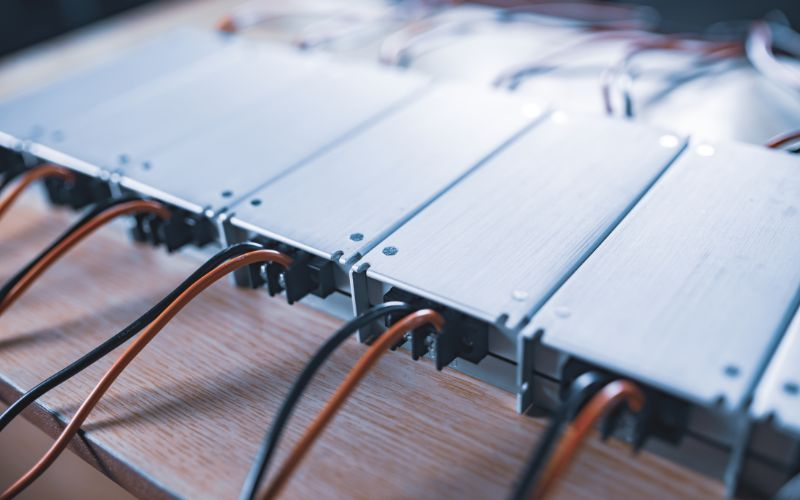
Regarding power generation, there are two main types of generators: DC (Direct Current) and AC (Alternating Current) generators. While both serve the purpose of converting mechanical energy into electrical energy, they differ in their construction and the type of current they produce.
A DC generator produces a constant, unidirectional flow of current. It consists of a rotor and a stator. The rotor is the rotating part of the generator, while the stator is the stationary part. The rotor is connected to the mechanical energy source, such as a turbine or an engine, and it rotates within a magnetic field created by the stator. This rotation induces a voltage in the stator windings, resulting in the generation of DC. DC generators are commonly used in applications where a steady and continuous current flow is required, such as in battery charging or electroplating processes.
On the other hand, an AC generator produces an alternating flow of current that periodically changes its direction. AC generators also consist of a rotor and a stator, but they utilize electromagnetic induction to produce alternating current. The rotor’s magnetic field interacts with the stator’s magnetic field, causing the generation of an alternating voltage. AC generators are widely used in power plants and electrical grids due to their ability to transmit electricity over long distances efficiently.
In summary, the main difference between DC and AC generators lies in the type of current they produce. DC generators generate a constant current flow, while AC generators produce an alternating flow. Each type has its own set of applications based on the specific requirements of the electrical system. Understanding these differences is crucial in selecting the appropriate generator for various applications.
Can a DC generator be used as a motor?
When it comes to the applications of DC generators, one question that often arises is whether they can be used as motors. The answer is yes; a DC generator can be used as a motor.
To understand how this is possible, it’s important to understand the basic principles behind a DC generator. A DC generator converts mechanical energy into electrical energy by utilizing the phenomenon of electromagnetic induction. On the other hand, a DC motor converts electrical energy into mechanical energy by utilizing the same principle.
The key difference between the two lies in the way they are connected. In a generator, mechanical energy is applied to the shaft, which rotates the armature within a magnetic field, generating electricity. In a motor, electrical energy is supplied to the armature, creating a magnetic field that interacts with the magnetic field of the stator, causing the armature to rotate.
However, it is important to note that while a DC generator can be used as a motor, it may not be as efficient or effective as a dedicated DC motor. This is because DC generators are typically designed to generate electricity and may not have the same power output or torque capabilities as a motor specifically designed for that purpose.
Nevertheless, there are certain situations where using a DC generator as a motor can be advantageous. For example, in remote locations where a power source is limited, a DC generator can convert available mechanical energy into electrical energy, which can then be used to power a motor.
In conclusion, while a DC generator can be used as a motor, it may not always be the most efficient or effective option. However, in certain circumstances, it can serve as a viable solution.
What are the different types of DC generators?
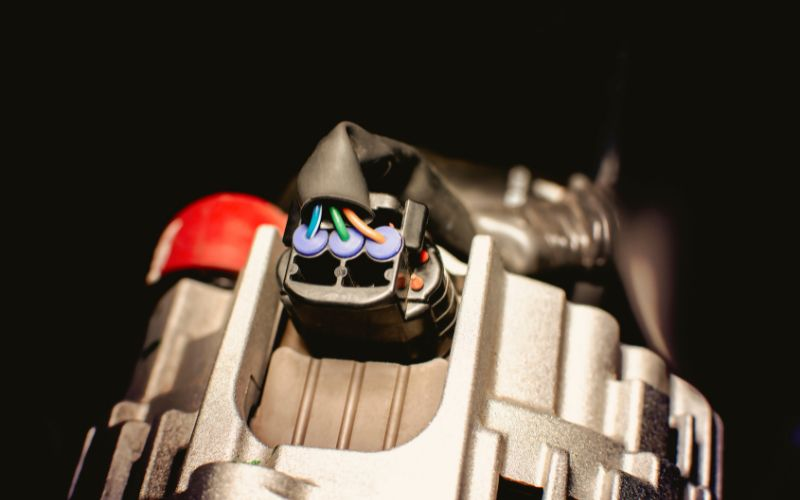
DC generators are electrical machines that convert mechanical energy into direct current (DC) electricity. They find various applications in various industries, from power generation to electric vehicles. There are several different types of DC generators, each with its unique characteristics and applications.
One type of DC generator is the shunt-wound generator. This type of generator has a shunt field winding connected in parallel with the armature. Shunt-wound generators are commonly used in applications requiring constant voltage output, such as battery charging and electroplating.
Another type is the series-wound generator. In this design, the field winding is connected in series with the armature. Series-wound generators are often used in applications that require a high starting torque, such as electric locomotives and cranes.
Compound-wound generators combine the characteristics of both shunt-wound and series-wound generators. They have both a shunt field winding and a series field winding, providing a combination of constant voltage and high starting torque. Compound-wound generators are commonly used in applications such as electric power plants and industrial machinery.
Permanent magnet generators (PMGs) are another type of DC generator. These generators use permanent magnets instead of field windings to create the magnetic field. PMGs are often used in portable power generation applications, such as camping generators and small wind turbines.
In conclusion, there are several different types of DC generators, each with its applications. Whether for battery charging, electric vehicles, or power generation, DC generators are crucial in various industries. Understanding the different types of DC generators can help select the most suitable generator for a specific application.
In conclusion, the applications of DC generators are vast and varied. Throughout this post, we have explored the key points related to this topic. We have discussed the various applications of DC generators, ranging from power generation in remote areas to electric vehicles and renewable energy systems.
We have also delved into the inner workings of a DC generator, understanding how it converts mechanical energy into electrical energy through the principle of electromagnetic induction. The main components of a DC generator, such as the armature, field coils, and commutator, have been explored in detail.
While DC generators offer several advantages, including simplicity, reliability, and ease of maintenance, they are not without drawbacks. We have highlighted the limitations of DC generators, such as the need for regular maintenance, the presence of commutator sparking, and the limited voltage regulation capabilities.
Differentiating between DC and AC generators, we have discussed the fundamental differences in their construction, operation, and applications. We have also addressed the possibility of using a DC generator as a motor, highlighting the reversible nature of these machines.
Lastly, we have explored the different types of DC generators, including shunt, series, and compound generators, each with unique characteristics and applications.
The importance of understanding the applications of DC generators cannot be overstated. As technology advances, we can expect further developments and trends in this field. With the growing focus on renewable energy sources and electric vehicles, the demand for efficient and reliable DC generators will likely increase.
In conclusion, we thank you for taking the time to read this post. We hope that the insights provided have been valuable to you. We encourage you to leave any comments or feedback, as your input is greatly appreciated. Stay tuned for future updates and developments in the world of DC generators.