Ensuring Reliable Power Supply: A Guide to Generator Protection
Generators are crucial in providing backup power during outages and as a primary power source in remote locations. However, to ensure their longevity and reliability, it is essential to implement effective generator protection measures. Generator protection involves a series of mechanisms and devices designed to safeguard generators from various electrical and mechanical faults. This article will explore the importance of generator protection, its key components, and common FAQs related to this critical aspect of power generation.
The Significance of Generator Protection

Generators are intricate machines that convert mechanical energy into electrical energy. They are susceptible to many issues that can lead to costly downtime, damage, or catastrophic failure. Generator protection aims to prevent these problems by detecting anomalies and taking corrective actions promptly. Here are some key reasons why generator protection is essential:
Equipment Longevity
Generators represent a significant capital investment for businesses and organizations. Proper protection measures can extend operational lifespan by preventing wear and tear. This, in turn, maximizes the return on investment.
Reliable Power Supply
A reliable power supply is paramount in mission-critical applications like hospitals, data centers, and industrial facilities. Generator protection ensures that the generator kicks in seamlessly during power outages, preventing disruptions and potential disasters.
Safety
Faulty generators can pose safety risks to both people and property. Generator protection mechanisms help mitigate these risks by promptly shutting down the generator when anomalies are detected.
Components of Generator Protection
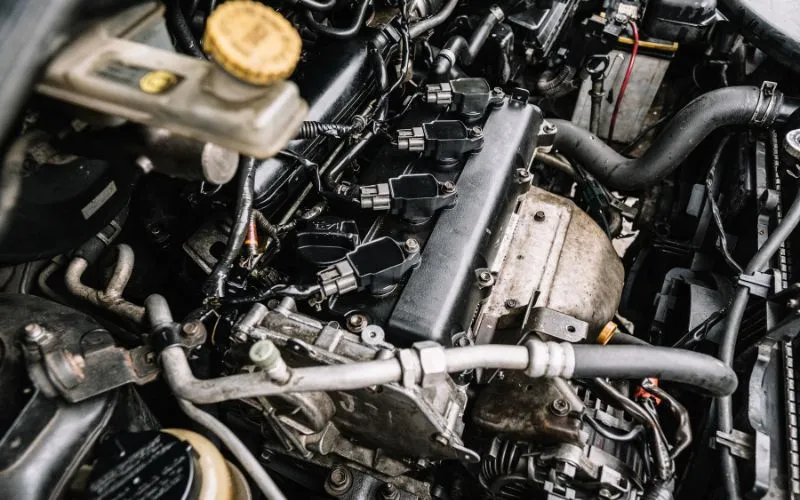
Effective generator protection involves a combination of hardware and software components that work together to monitor, detect, and respond to potential issues. Let’s delve into these components:
Sensors and Instrumentation
Sensors and instrumentation form the front line of generator protection, serving as the vigilant eyes and ears of the system. Voltage sensors continuously monitor electrical potential, while current sensors track the flow of electricity within the generator. These essential components are the first to detect any irregularities, swiftly alerting the protection relays to take action when voltage or current levels deviate from the norm.
Voltage Sensors
Voltage sensors continuously monitor the generator’s output voltage. If voltage levels exceed or fall below predetermined thresholds, it triggers an alarm or shutdown to prevent damage to connected equipment.
Current Sensors
Current sensors measure the electrical current flowing through the generator. Any abnormal current spikes can indicate a fault, prompting protective measures.
Protection Relays
Protection relays are intelligent devices that act as the brains of generator protection systems. They receive input from sensors and make decisions based on predefined settings. These relays can be categorized into various types:
Overcurrent Protection Relays
Overcurrent protection relays monitor the generator’s output current. The relay will trip and disconnect the generator from the load if it exceeds a specified threshold.
Differential Protection Relays
Differential protection relays compare the current entering and leaving the generator. A difference in these currents can indicate internal faults within the generator, prompting a shutdown.
Overvoltage and Undervoltage Protection Relays
These relays monitor voltage levels and disconnect the generator if voltages exceed or fall below safe limits, protecting the generator and connected equipment.
Frequency Protection Relays
Frequency protection relays monitor the generator’s output frequency. A significant deviation from the specified frequency can trigger a shutdown to prevent damage to sensitive loads.
Control Systems
Generator protection systems are integrated with control systems that manage the generator’s operation. These systems ensure a coordinated response to detected faults. They can automatically start or stop the generator and initiate load shedding if necessary.
Alarms and Notifications
Generator protection systems include alarm systems that provide visual and audible warnings in case of abnormal conditions. Additionally, they can send notifications to operators or maintenance personnel, enabling quick response and troubleshooting.
Data Logging and Analysis
Many modern generator protection systems offer data logging capabilities, allowing for historical data analysis. This helps identify recurring issues, optimize generator performance, and plan maintenance schedules.
Implementing Effective Generator Protection
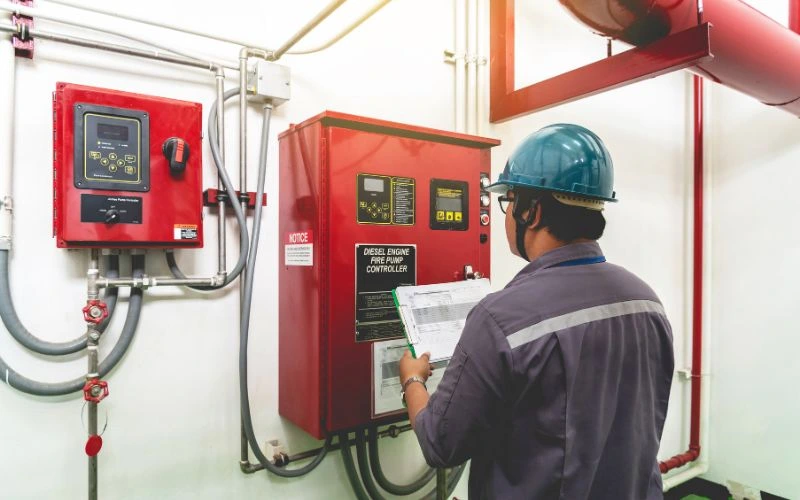
With the understanding of the significance and components of generator protection, let’s delve further into the steps involved in implementing an effective generator protection system:
Assessing Generator Vulnerabilities
Begin by conducting a comprehensive assessment of your generator system. Identify potential vulnerabilities and critical failure points. Consider factors such as the type of generator, the connected load, environmental conditions, and the specific requirements of your application. This assessment will help you determine your setup’s most suitable protection mechanisms.
Selecting the Right Protection Relays
Choosing the appropriate protection relays is crucial. Ensure the selected relays align with your generator’s specifications and the identified vulnerabilities. Consult with experts or manufacturers to ensure you have the right relays for overcurrent, overvoltage, undervoltage, and other critical parameters.
Calibration and Testing
Once you’ve installed the protection relays, calibrate them according to the manufacturer’s guidelines. Regularly test the protection system to verify its functionality. Scheduled testing helps identify any issues or malfunctions in the design, ensuring it performs optimally when needed.
Integration with Control Systems
Generator protection systems should be seamlessly integrated with your generator’s control systems. This integration enables automatic responses to faults and ensures the generator can be started, stopped, or isolated from the load as needed. Proper integration also allows for remote monitoring and control, enhancing overall reliability.
Monitoring and Data Analysis
Implement continuous monitoring of the generator’s performance and the protection system’s status. Real-time data collection and analysis can help identify trends, abnormalities, and potential issues before they escalate. It also aids in making informed decisions regarding maintenance and system adjustments.
Regular Maintenance
Generator protection systems, like any other equipment, require routine maintenance. Inspect sensors, relays, and control systems regularly to ensure they are in good working condition. Perform any necessary repairs or replacements promptly to maintain the system’s reliability.
Operator Training
Properly trained operators are essential for the effective operation of generator protection systems. Ensure your staff understands how the protection system works, how to respond to alarms, and how to troubleshoot common issues. Regular training updates can help keep your team up-to-date with the latest technologies and best practices.
Conclusion
Generator protection is an indispensable aspect of ensuring the reliable operation of generators in various applications. It safeguards equipment, provides a consistent power supply, and enhances safety. By understanding the components of generator protection and addressing common questions; organizations can make informed decisions to protect their valuable assets and maintain uninterrupted power generation.
FAQs
1. Why is generator protection necessary if generators are built to withstand stress?
Generators are robust machines, but they are not invincible. Over time, wear and tear can occur, and unforeseen events such as electrical faults or load imbalances can stress the generator beyond its designed limits. Generator protection serves as a safety net, ensuring that the generator and connected equipment remain safe and operational even under adverse conditions.
2. Can generator protection systems be customized for specific applications?
Yes, generator protection systems can be customized to meet the unique requirements of different applications. Depending on the criticality of the loads being powered, the type of generator, and the surrounding environment, protection settings can be adjusted to provide optimal protection without unnecessary shutdowns.
3. Are generator protection systems a one-time investment?
Generator protection systems are a one-time capital investment but require ongoing maintenance and periodic calibration to ensure their continued effectiveness. Regular testing and inspection of sensors, relays, and control systems are essential to maintain reliability.