The Dynamic World of DC Systems in Substations
DC systems are vital for the efficient and reliable operation of substations in electrical power infrastructure. They enable efficient energy transfer, improved stability, and advanced control capabilities. This article explores the fascinating realm of DC systems in substations, including their principles, components, and essential role in facilitating smooth power flow and grid management. Understanding their integration within substations is crucial for reliable electricity delivery to our homes, industries, and communities.
As protecting equipment should be adept at clearing faults at all times. The reliability will not be accomplished without a completely reliable supply source to function the circuit breaker trip coils and all auxiliary relay engagement inside the tripping method.
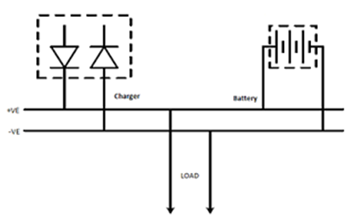
Principle Operation of Power System
A power system is a complex network that facilitates electrical energy generation, transmission, and distribution. It involves many components and processes working harmoniously to ensure reliable and efficient power delivery to end consumers. The principle operation of a power system can be summarized into three key stages: generation, transmission, and distribution.
Technical issues of Grid Connection
Grid connection is critical in integrating renewable energy sources, such as solar and wind, into the existing power grid. While renewable energy offers numerous benefits, several technical challenges are associated with connecting these intermittent energy sources to the grid. Understanding and addressing these technical issues is essential to ensure the reliable and efficient operation of the power system. Some key technical problems of grid connection include:
- Grid Stability
- Grid Resilience
- Grid Capacity and Congestion
- Grid Protection and Fault Management
- Grid Codes and Interconnection Standards
Introduction to DC Systems in Substations
DC (Direct Current) systems are crucial in substations’ efficient and reliable operation. Substations are vital nodes in power transmission and distribution networks, transforming and distributing electricity to end consumers. While AC (Alternating Current) systems are commonly used for power transmission, DC systems are employed for various specific applications within substations.
Understanding the Role of DC Systems
In substations, DC systems are a vital backbone for critical functions, including control, protection, and communication. These systems enable efficient energy transfer, enhanced control capabilities, and improved stability within the substation environment. By providing reliable and precise DC power, these systems support the smooth operation of the entire electrical infrastructure.
Components of DC Systems
- DC Power Sources: The DC system in a substation typically relies on a reliable DC power source, such as batteries or rectifiers. These sources convert AC power from the grid into DC power, ensuring a constant and reliable supply for substation operations.
- DC Switchgear: DC switchgear plays a crucial role in controlling and isolating the DC circuits within the substation. It includes circuit breakers, disconnectors, and other protective devices specifically designed for DC applications. DC switchgear ensures safe and reliable operation by enabling selective disconnection and fault clearance.
- DC Distribution Panels: DC distribution panels distribute DC power to various substation equipment and systems, such as control circuits, protection relays, and communication devices. These panels provide the necessary voltage levels and ensure proper DC power distribution to the intended components.
- Monitoring and Control Systems: Monitoring and control systems are essential for overseeing the performance and health of the DC systems in substations. They provide real-time monitoring of voltage, current, and other parameters, allowing operators to assess the condition of the DC system and take necessary actions to maintain optimal operation.
Advantages of DC Systems in Substations
- Enhanced Control and Stability: DC systems offer improved control and stability compared to AC systems in certain substation applications. The absence of reactive power and reduced losses in DC transmission enable better voltage regulation and power flow control, leading to increased system stability.
- Efficient Power Transfer: DC systems facilitate efficient power transfer within substations, minimizing losses and voltage drop. This efficiency is particularly beneficial for long-distance power transmission or connecting remote substations.
- Compatibility with Renewable Energy Integration: DC systems are well-suited for integrating renewable energy sources into substations. Many renewable energy technologies, such as solar photovoltaic and wind turbines, inherently produce DC power. Direct integration of renewable energy sources with DC systems can simplify the conversion process, reducing costs and improving overall system efficiency.
Conclusion
The dynamic world of DC systems in substations plays a crucial role in ensuring the efficient and reliable operation of the electrical infrastructure. Substations benefit from enhanced control, efficient power transfer, and improved stability by utilizing DC power sources, switchgear, distribution panels, and advanced control systems. While challenges exist, such as equipment compatibility and safety considerations, ongoing advancements and the integration of DC microgrids promise a future where DC systems in substations will continue to evolve and contribute to a more sustainable and resilient power grid.