The Revolutionary Potential of Substation Automation Theory
In modern power systems, the convergence of advanced technologies and theoretical advancements has ignited a paradigm shift, paving the way for significant transformations in how electricity is generated, transmitted, and distributed. Central to this transformation is the burgeoning field of substation automation theory, which seeks to revolutionize the traditional practices of power grid management. Substation automation theory is not just a collection of technical advancements; it embodies a holistic approach that combines principles from electrical engineering, communication systems, and data analytics. By leveraging real-time data, intelligent algorithms, and seamless communication protocols, substation automation theory promises to enhance grid reliability, efficiency, and resiliency to an unprecedented extent. This paper delves into the profound implications of substation automation theory, exploring its potential to reshape the foundation of power infrastructure management and usher in an era of smarter, more sustainable energy systems.
Decoding Substation Automation Theory
Substation automation theory lies at the heart of modern power systems, revolutionizing how electrical grids are managed and controlled. As power demand continues to grow and the complexity of grid operations increases, the need for advanced automation techniques becomes paramount. Substation automation involves the integration of intelligent devices, communication networks, and control systems to enhance the efficiency, reliability, and safety of substations. By employing state-of-the-art technologies and principles of automation, substations can monitor, analyze, and respond to various electrical parameters and events in real time.
This article aims to delve into the theoretical aspects of substation automation, exploring the key concepts, methodologies, and benefits associated with this transformative field. By understanding the theory behind substation automation, we can appreciate its significance in optimizing power system performance and facilitating the transition toward a smarter and more resilient grid infrastructure.
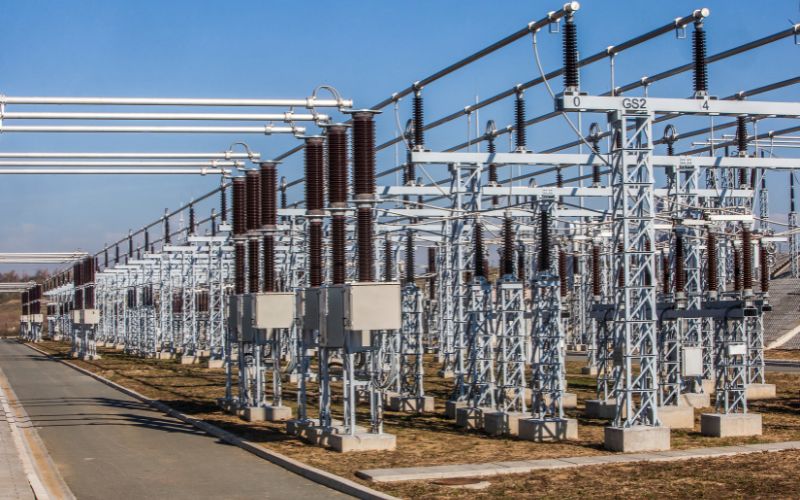
A substation could be part of an electrical generation, transmission, and distribution network. An electrical source’s assembly of equipment accustomed to modification of some characteristics (e.g., frequency, voltage, P.F., A.C. to D.C., etc.) is termed a station.
Crucial Functions and Components of Substations
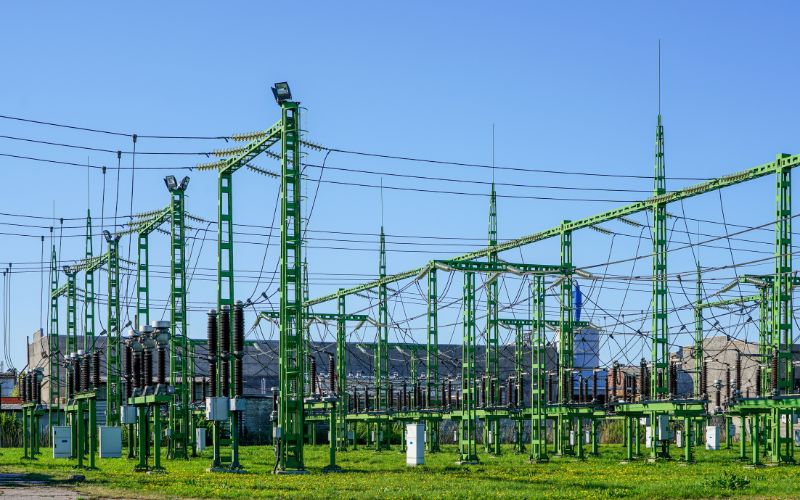
- To receive the transmitted power at extra high voltage from the generating stations.
- To reduce the voltage to an appropriate value for native distribution.
Revolutionizing Power Grid Management

Substation automation theory is a cutting-edge approach that has revolutionized how power grids are managed and operated. By integrating advanced technologies and intelligent systems, substation automation has paved the way for enhanced efficiency, reliability, and control in the electrical power industry. This article delves into the fundamental concepts of substation automation theory, exploring its key components, benefits, and the transformative impact it has had on the power sector.
The Essence of Substation Automation
Substation automation theory encompasses applying advanced control, communication, and monitoring systems in electrical substations. By deploying a network of sensors, intelligent devices, and software, substations can now be remotely monitored, controlled, and managed. This paradigm shift from manual operations to automated systems has revolutionized power grid management, enabling utilities to achieve unprecedented efficiency, reliability, and responsiveness.
Ensuring Grid Integrity
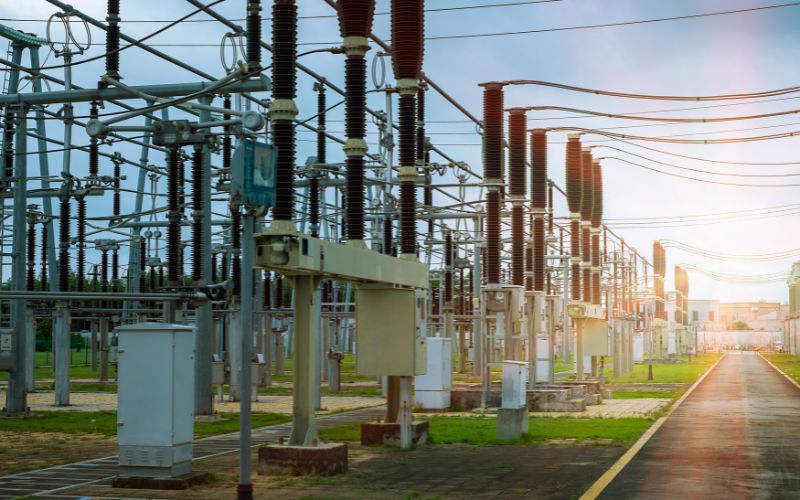
Substations are more than just nodes for voltage regulation; they encompass complex components and systems to safeguard the entire network. Sophisticated protection mechanisms, circuit breakers, and transformers work in tandem to detect and mitigate potential short circuits and overloads. These intelligent systems ensure swift responses to anomalies, minimizing disruptions and hazards that could compromise grid integrity.
The Era of Data-Driven Decision Making
Substation automation theory transcends traditional approaches by infusing data-driven decision-making into power grid management. Operators gain valuable insights through real-time monitoring and analysis facilitated by interconnected devices and communication networks. These insights empower proactive decision-making, optimizing grid performance and preempting potential issues. This transformative shift from reactive to aggressive operations enhances the grid’s adaptability and resilience.
Paving the Way for a Sustainable Energy Future
As we stand at the precipice of a new energy era, the impact of substation automation theory reaches beyond operational efficiency. This revolution lays the groundwork for a sustainable energy future by reimagining how electricity is harnessed and distributed. It’s not merely about automating processes but fundamentally rethinking the relationship between technology, society, and the environment. By harnessing the power of automation, the energy industry is poised to create a harmonious synergy between human progress and planetary well-being.
Key Components of Substation Automation
Substation automation is a cornerstone of modern power grid management, enabled by a constellation of crucial components working harmoniously to revolutionize how electricity is controlled, monitored, and distributed. This intricate web of technologies and systems transforms traditional substations into intelligent hubs capable of real-time decision-making and dynamic response.
To grasp the intricacies of substation automation theory, it is vital to understand its key components. These include:
Intelligent Electronic Devices (IEDs)
Intelligent Electronic Devices (IEDs) form the backbone of substation automation, comprising devices such as relays, meters, and controllers. These smart devices gather data, monitor electrical parameters, and execute commands based on predefined algorithms.
SCADA Systems (Supervisory Control and Data Acquisition)
SCADA systems act as the central nervous system of substation automation. They collect real-time data from IEDs, visualize it, and enable operators to monitor and control the substation processes remotely. SCADA systems provide a comprehensive grid overview, facilitating swift decision-making and fault diagnosis.
Communication Networks
Seamless communication networks are the arteries through which data flows within and between substations. These networks facilitate the exchange of information between intelligent devices and central control systems, ensuring rapid responses to changing conditions. With the integration of advanced communication protocols, such as IEC 61850, substations can achieve interoperability and standardized data exchange, enhancing efficiency and reducing potential errors.
Remote Terminal Units (RTUs) and Programmable Logic Controllers (PLCs)
RTUs and PLCs are essential components that facilitate the automation of substation processes. RTUs gather data from sensors and devices, transmitting this information to the central control system. Meanwhile, PLCs execute pre-programmed logic to control various operations, from opening and closing circuit breakers to managing voltage regulation. These components enhance the substation’s ability to respond to changing grid conditions autonomously.
Data Analytics and Decision Support Systems
The influx of real-time data generated by intelligent devices is a treasure trove of insights waiting to be harnessed. Data analytics and decision support systems leverage advanced algorithms to process this data, extracting meaningful patterns and trends. By transforming raw data into actionable insights, these systems empower operators to make informed decisions, optimize grid performance, and predict potential issues.
Human-machine interface (HMI)
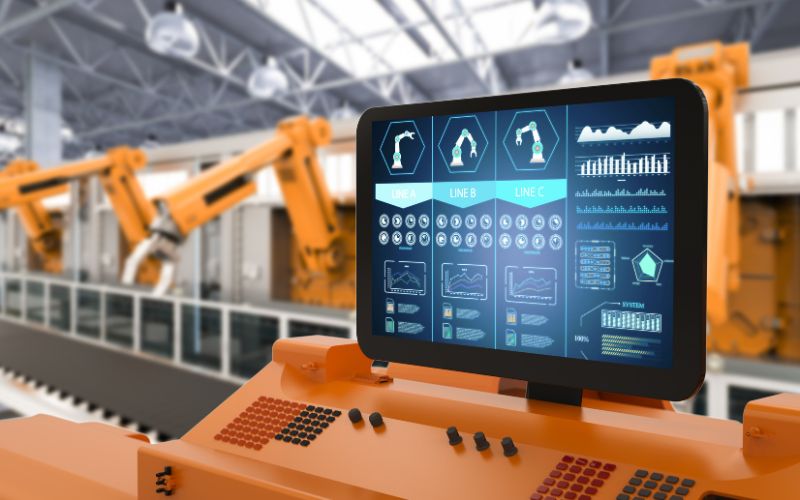
The interface between human operators and the automated substation processes is facilitated by the Human-Machine Interface (HMI). This graphical representation allows operators to interact with the substation’s control and monitoring systems. HMIs provide intuitive visualizations of complex data, enabling operators to quickly comprehend grid conditions and make well-informed decisions.
Benefits of Substation Automation
Integrating substation automation has brought many transformative benefits to power grid management, ushering in an era of enhanced efficiency, reliability, and adaptability. This technological leap is not merely an incremental upgrade but a paradigm shift that empowers utilities, operators, and society.
Here are some of the prominent benefits that substation automation brings to the forefront:
Enhanced Grid Reliability
By automating processes and implementing real-time monitoring, substation automation reduces the risk of outages and enables quicker detection and resolution of faults. This leads to improved grid reliability and minimized downtime.
Increased Efficiency
Automation streamlines operations, eliminates manual tasks, and optimizes the use of resources, resulting in enhanced operational efficiency. Automated data analysis and predictive maintenance enable utilities to proactively address potential issues, reducing costs and improving asset utilization.
Advanced Grid Control
Substation automation gives utilities precise control over grid parameters, enabling rapid responses to fluctuations in demand and dynamic grid conditions. This facilitates effective load balancing, voltage regulation, and fault management, ensuring a stable and secure power supply.
Improved Grid Reliability and Availability
Substation automation dramatically improves grid reliability by enabling real-time monitoring and swift response to changing conditions. Intelligent devices and sensors detect anomalies, potential faults, and disturbances, allowing operators to take immediate corrective actions. This proactive approach minimizes downtime, reduces the risk of cascading failures, and ensures uninterrupted power supply to consumers.
Enhanced Operational Efficiency
The integration of automation streamlines operational processes by reducing manual interventions and optimizing workflows. Remote control capabilities enable operators to manage substations from centralized locations, eliminating the need for physical visits to substations for routine tasks. This results in faster response times, reduced maintenance costs, and optimized resource allocation.
Rapid Fault Detection and Isolation
Substation automation enables precise fault detection and isolation using protective relays and intelligent devices. In the event of a fault, these systems automatically isolate the affected portion of the grid, preventing its propagation to other sections. This swift and accurate response minimizes disruptions, safeguards equipment, and enhances system stability.
Data-Driven Decision Making
The influx of real-time data from intelligent devices empowers operators with actionable insights into grid performance and conditions. Data analytics and visualization tools allow operators to make informed decisions, optimize operations, and predict potential issues before they escalate. This predictive approach enhances planning, minimizes downtime, and maximizes grid efficiency.
Increased Grid Resilience
Substation automation enhances the grid’s resilience against unforeseen events, such as natural disasters or cyberattacks. Rapid fault detection and automated responses help contain disruptions and minimize their impact on wider grid operations. This resilience is crucial for maintaining critical services and reducing recovery times in adverse circumstances.
Flexibility for Renewable Integration
As renewable energy sources become increasingly prevalent, the grid’s adaptability becomes paramount. Substation automation facilitates the integration of variable renewable sources by enabling dynamic adjustments in power flows, voltage regulation, and grid stability. This adaptability is crucial for harnessing the full potential of renewable energy while maintaining grid integrity.
Safety Enhancement
Automation reduces the need for manual interventions in potentially hazardous environments. Operators can remotely monitor and control substations, minimizing exposure to high-voltage equipment and other potential risks. This remote management enhances operator safety and reduces the likelihood of accidents.
Cost Savings
Substation automation contributes to cost savings through various avenues. Reducing manual labor for monitoring and maintenance tasks translates into lower operational expenses. Moreover, the optimized grid performance minimizes losses due to downtime and equipment failures, maximizing revenue generation.
Conclusion
Substation automation theory has transformed power grid management by introducing intelligent systems, advanced control mechanisms, and real-time monitoring capabilities. Integrating smart electronic devices, SCADA systems, and robust communication networks has paved the way for enhanced reliability, efficiency, and control in the electrical power industry. As we embrace the era of smart grids, substation automation continues to play a pivotal role in shaping the future of the power sector.