How to Measure and Protect Current Transformer
Accurate current measurement and protection of current transformers (CTs) are vital aspects of electrical systems to ensure reliable and safe operation. Current transformers play a crucial role in transforming high currents into measurable and manageable levels, making them essential for monitoring and control purposes. Understanding the methods and techniques for measuring and protecting current transformers is crucial for maintaining accurate measurements and preventing potential damage to the CTs. In this article, we will delve into the intricacies of measuring current using current transformers and explore various strategies for effectively protecting these crucial components. By gaining insight into these practices, engineers, technicians, and electrical professionals will be equipped with the knowledge to ensure accurate measurements and safeguard current transformers in diverse electrical applications. Join us as we explore the world of current transformer measurement and protection, uncovering the techniques and best practices that contribute to the reliable and efficient functioning of electrical systems.
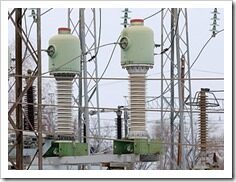


Introduction to Current Transformers (CTs)
Understanding the Importance of CTs in Electrical Systems
Current Transformers (CTs) play a vital role in electrical systems by accurately measuring current levels. They are essential devices used to step down high currents for measurement and protection purposes. CTs are commonly employed in power systems, including distribution networks, industrial facilities, and renewable energy installations. Their primary function is to provide a proportional current output that accurately represents the current flowing through the primary circuit. However, it is crucial to measure and protect CTs effectively to ensure their optimal performance and reliability.
Measuring Current with CTs
Techniques for Accurate Current Measurement
To measure current using CTs, it is essential to follow proper techniques to obtain accurate readings. Firstly, CTs should be appropriately sized according to the rated current of the primary circuit. This ensures that the wind is within the CT’s measurement range. Additionally, the secondary winding of the CT should be connected to a measuring instrument, such as a current meter or a protective relay, with proper attention to polarity. This ensures that the current output is accurately represented on the measuring instrument. Regular calibration of the CTs is also necessary to maintain measurement accuracy over time.
Protection of CTs
Preventing Damage and Ensuring Longevity
Protecting CTs is crucial to maintain their functionality and extend their lifespan. One essential aspect of CT protection is ensuring that the primary circuit is properly grounded and that the CTs are properly isolated to prevent any unwanted current flow. Grounding reduces the risk of electrical shock and helps maintain accuracy in current measurement. Additionally, overcurrent protection devices, such as fuses or circuit breakers, should be installed to safeguard CTs against excessive currents. Regular inspection and maintenance of CTs are also necessary to identify any signs of damage or deterioration, allowing for timely repairs or replacements if required.
Testing and Maintenance
Ensuring Reliable CT Performance
Regular testing and maintenance procedures are essential for ensuring the reliable performance of CTs. Periodic verification of the CTs’ accuracy through calibration tests helps identify any deviations or errors in current measurement. These tests should be performed by qualified professionals using calibrated equipment. Additionally, routine inspections of the CT connections, insulation, and physical condition are necessary to detect any signs of wear, loose connections, or moisture ingress. Any abnormalities should be promptly addressed to prevent potential failures or inaccurate measurements.